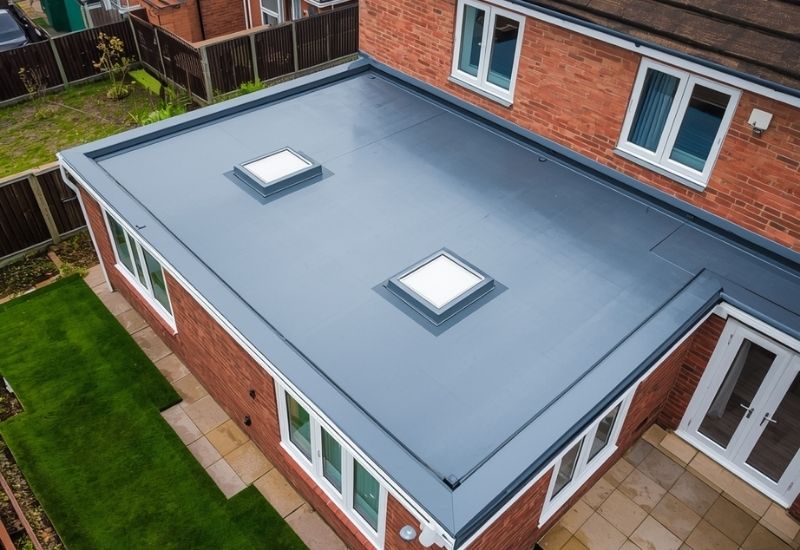
Why Fibreglass Flat Roof Systems Outperform Felt Roofing and Other Flat Roofing Materials
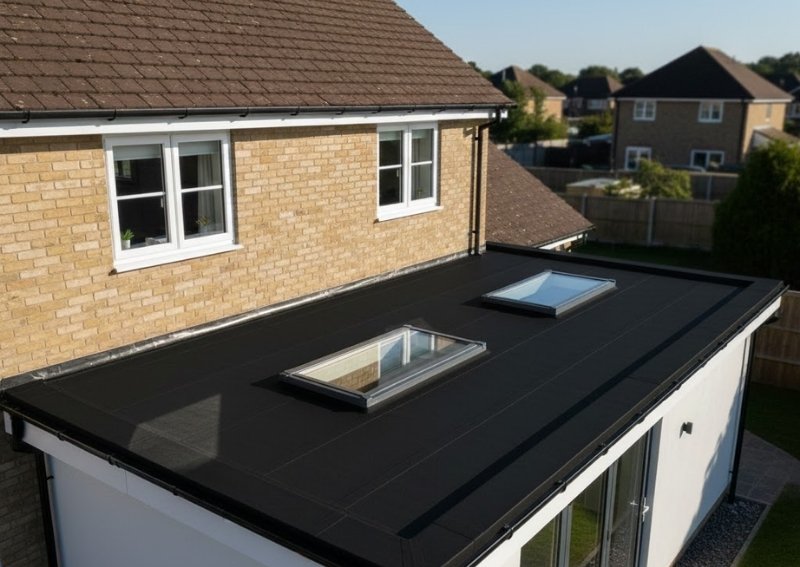
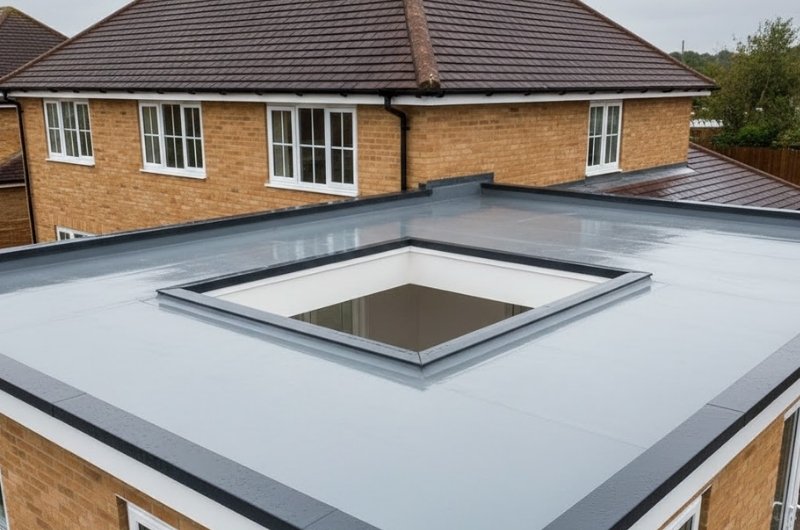
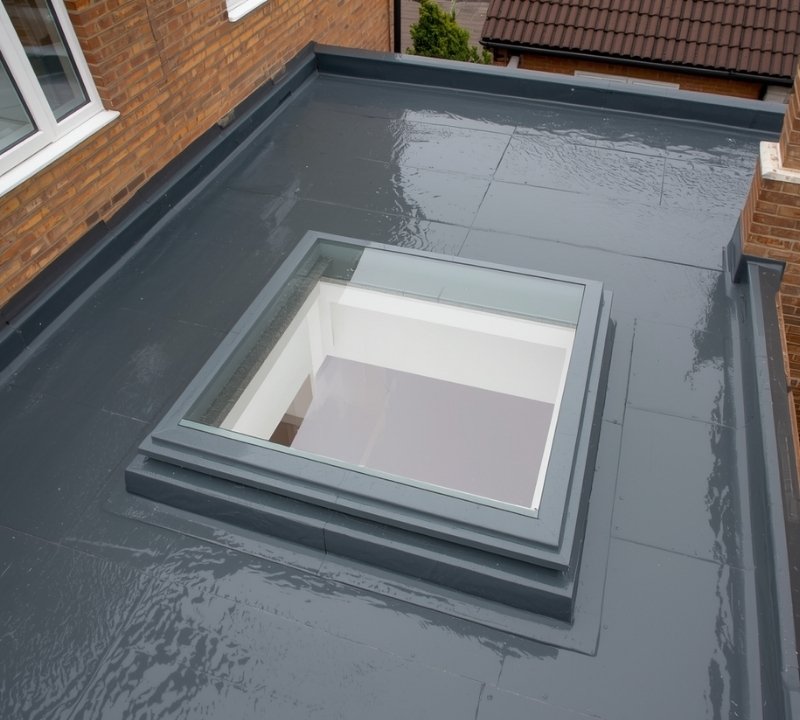
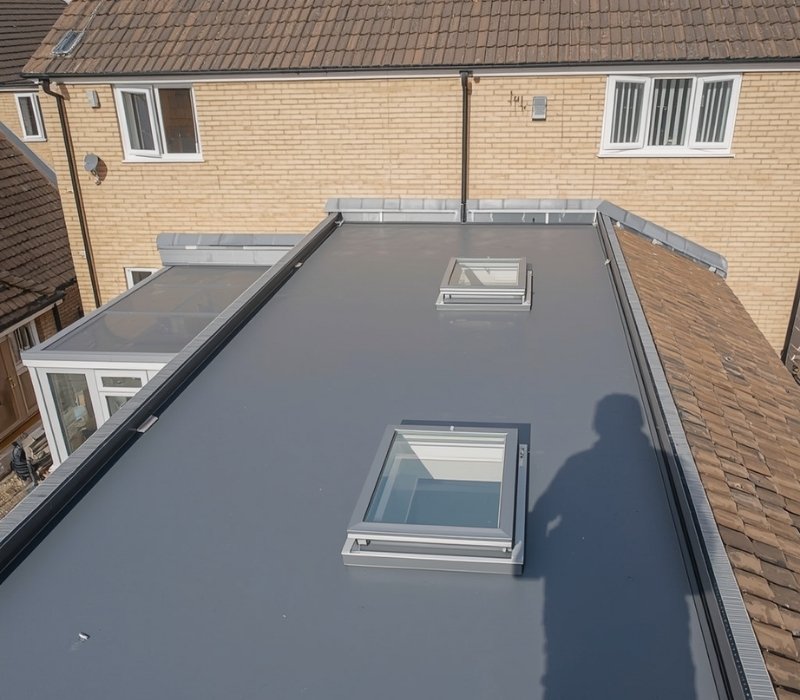
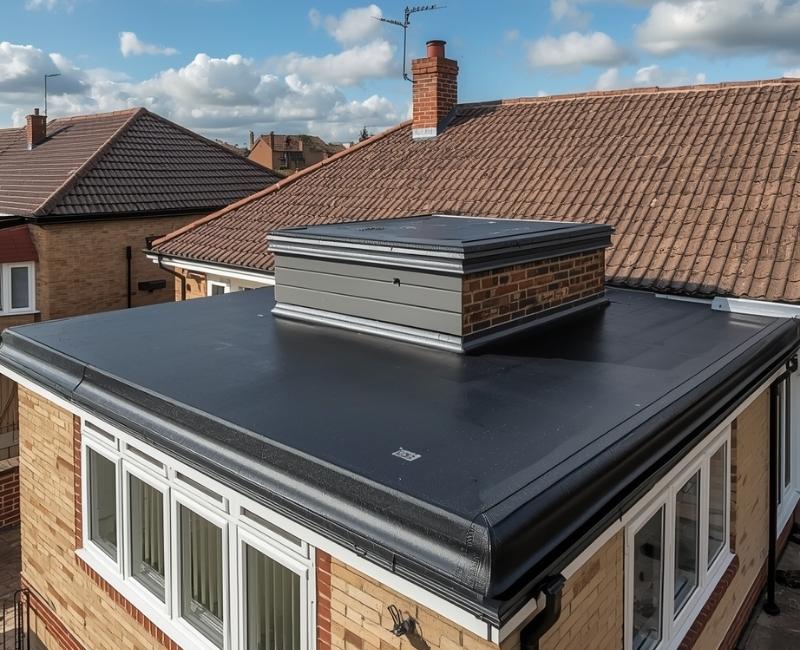
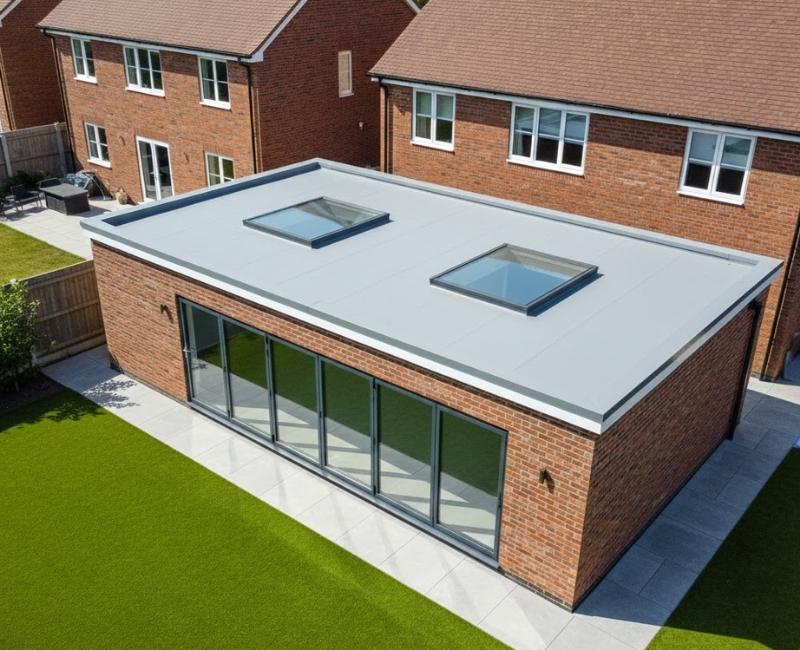
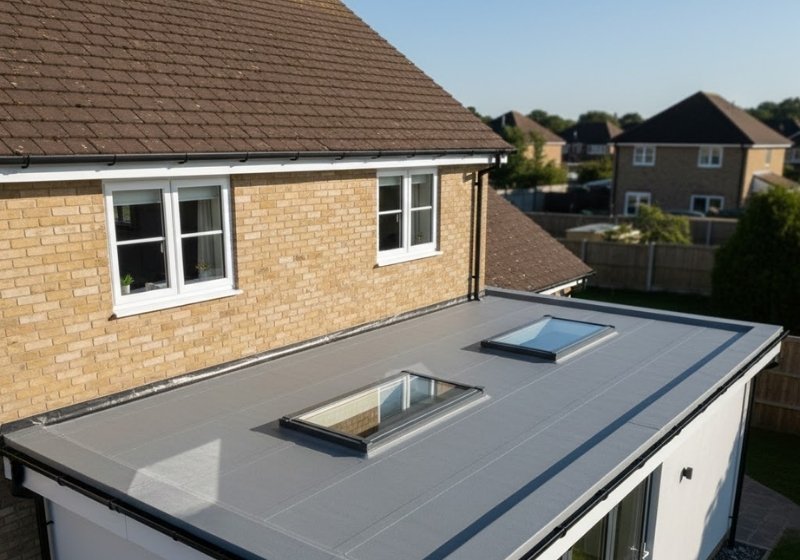
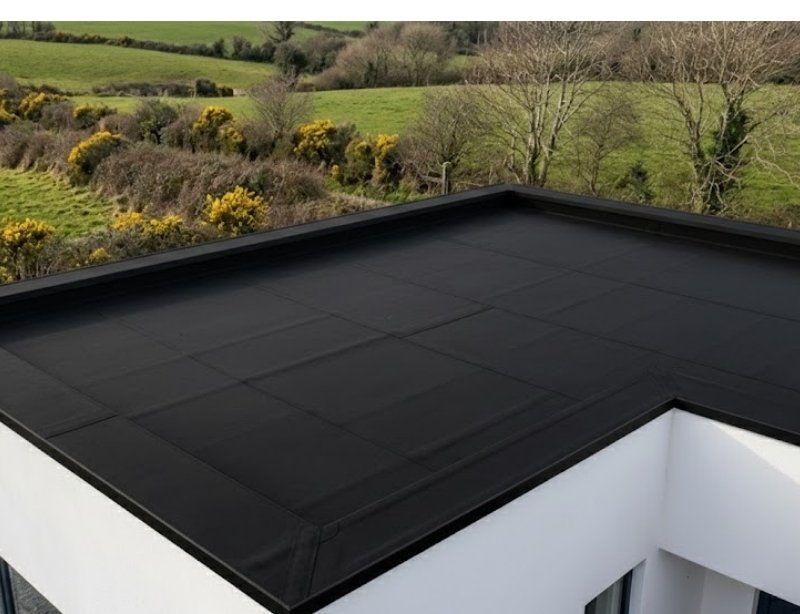
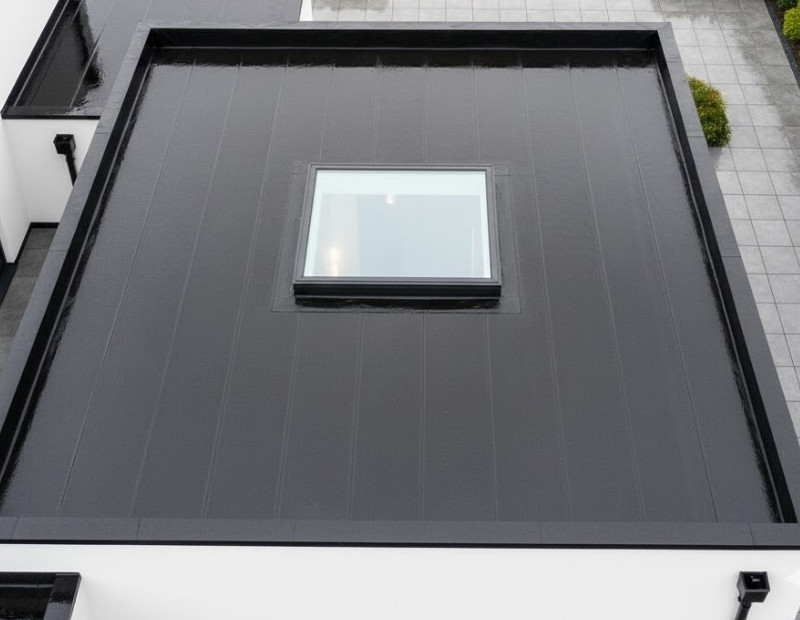
Fibreglass roofing delivers superior durability compared to felt roofing and other flat roofing materials used on UK properties. The grp roof system creates a fully sealed waterproof surface that lasts significantly longer on flat roofs. Traditional felt roofing on flat roofs relies on overlapping sheets that separate over time. Fibreglass flat roof installations eliminate these vulnerable joints. This makes grp fibreglass roof systems one of the popular flat roofing solutions for residential flat roofs and commercial flat roofs.
The extended lifespan that makes fibreglass roofing better value
A properly installed fibreglass roof lasts 25 to 40 years. Felt roofing on flat roofs usually needs replacing every 10 to 15 years. This long lifespan makes grp fibreglass roof installations on flat roofs better value despite higher initial costs than other flat roofing materials. The composite material formed from glass reinforced plastic resists UV exposure, temperature swings and harsh weather conditions. Fibreglass roofing installed on flat roofs in the 1980s often still performs well across the UK.
Low maintenance saves you ongoing time and expense
Fibreglass roofing on flat roofs requires very little maintenance compared to felt. The smooth seamless finish sheds water efficiently from the roof without collecting debris. Most grp roof systems on flat roofs need only basic cleaning. Felt roofing on flat roofs demands regular coating, patching and eventual complete roof replacement. The minimal maintenance of fibreglass flat roof systems reduces long-term costs significantly.