Quick Answer
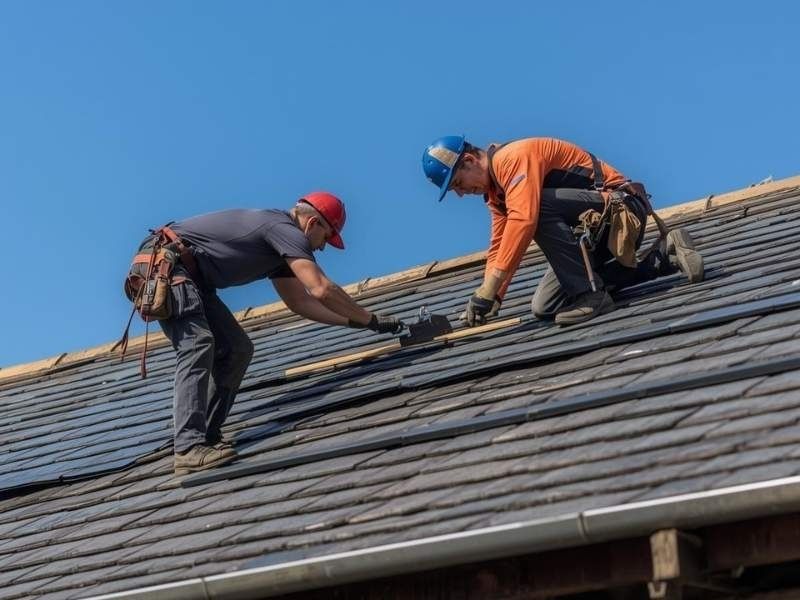
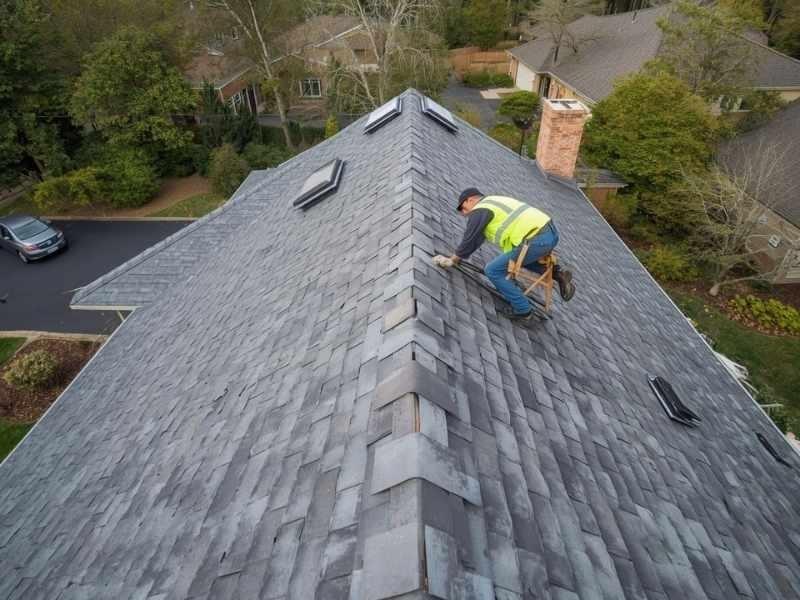
Repairing a slate roof involves identifying the damaged tiles, carefully removing broken or slipped slates using a slate ripper to extract old nails, then securing new replacement slates that match your existing roof using copper nails or a slate hook method. Homeowners often search for guidance on how to repair a slate roof to understand the process before calling a professional. Most repairs address just a few individual tiles rather than full roof replacement, and professional roofers complete typical repairs safely using specialist tools and techniques, demonstrating the correct way to repair a slate roof.
Why Slate Roofs Need Regular Attention
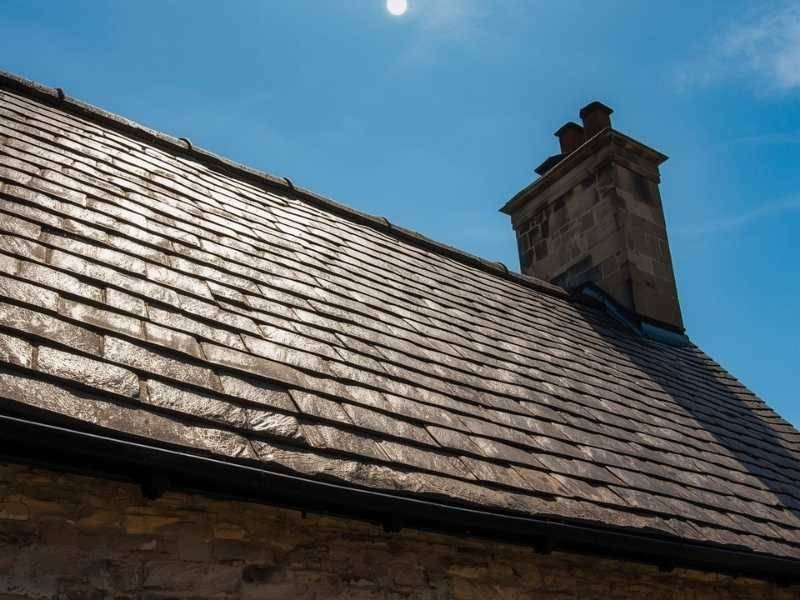
Slate roofs are among the most durable roofing options available in the UK. A properly maintained slate roof can last well over 100 years, with some Victorian-era roofs still protecting homes today. However, even the toughest materials need occasional repairs.
The UK's weather puts constant pressure on roofing materials. We experience 100 to 150 days of rainfall annually, depending on where you live. Winter freeze-thaw cycles cause slate tiles to crack, and autumn storms with winds exceeding 50 to 60mph can lift or dislodge tiles when fixings weaken over time.
At Checkaroof, we regularly see slate roofs that have served families for generations. The good news is that most repairs involve replacing between 1 and 20 individual slates rather than complete roof replacement. A single slipped slate can lead to damp issues within weeks if ignored, but catching problems early extends your roof's lifespan by decades.
Common Problems That Affect Slate Roofs
Cracked and Broken Tiles
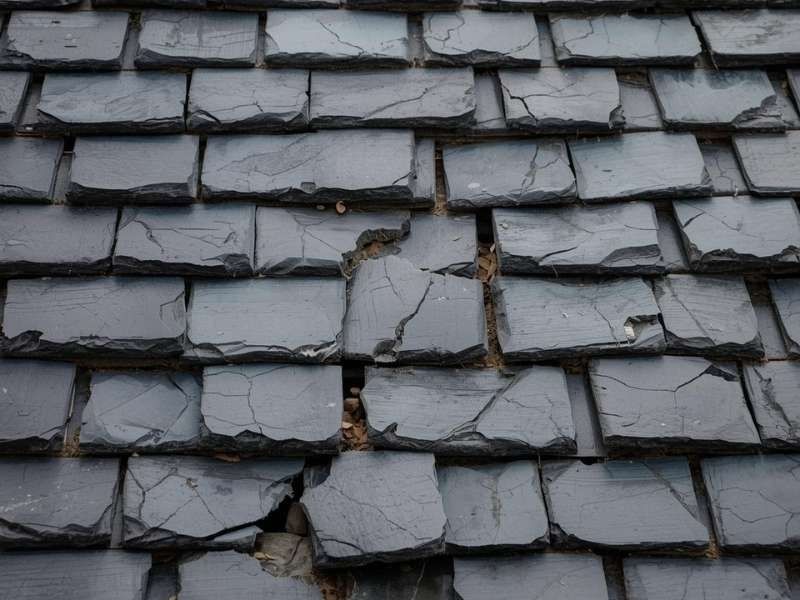
Slate is extremely durable but also brittle. A falling branch, heavy hailstone, or even someone walking directly on the roof can cause cracks. Once a slate cracks, water seeps through and affects the timber beneath.
Cracked slates often appear after severe weather. Check your roof after storms, and look for visible damage from ground level using binoculars. Small cracks can quickly turn into broken tiles that fall away completely.
Slipped and Missing Slates
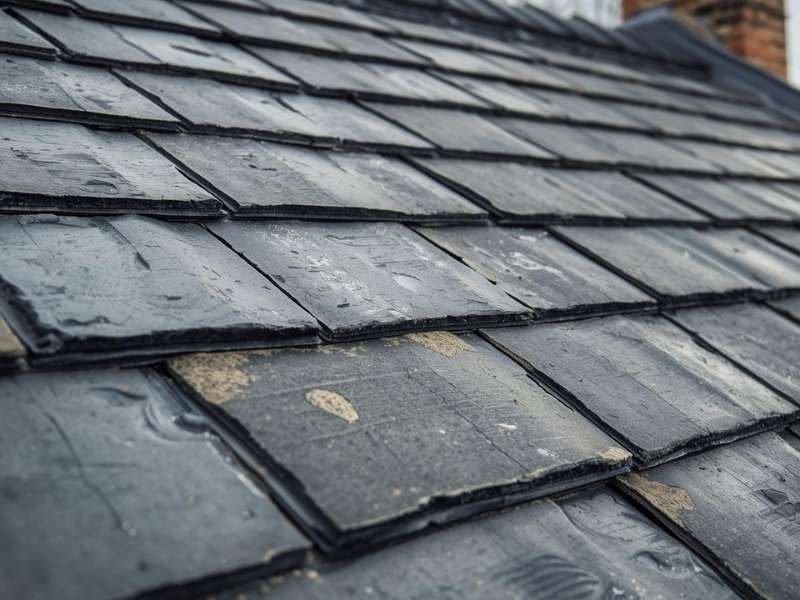
When fixings corrode or loosen, slates slip out of position. You might notice a tile sitting lower than others in the same row, or gaps where slates have fallen off entirely. Missing tiles expose the roofing felt and battens underneath to the elements.
Slipped slates happen when nails rust through or when the slate itself develops nail holes that enlarge over time. Once one tile slips, others nearby often follow because they share similar fixing conditions.
Nail Sickness
This is one of the most common issues we encounter. Nail sickness occurs when the metal fixings that hold slates corrode and fail. Older roofs used iron nails, which rust when exposed to moisture. As fixings deteriorate, multiple slates become loose simultaneously.
If more than 20% of your slates are failing, individual repairs may no longer make sense. At that point, re-fixing the entire roof with new copper or stainless steel nails becomes more cost-effective. However, for roofs with just a handful of problem areas, targeted slate roof repair is the right choice.
Storm Damage and Wear
Strong winds get underneath loose slates and lift them away from the roof. Heavy rainfall finds any weakness in your roof's defences. Over time, even well-installed roofs show signs of wear at edges and valleys where water flows most heavily.
The head of each slate can also suffer damage where it rests against the batten. Debris from nearby trees can scratch and damage the surface, though this rarely affects the tile's waterproofing unless combined with other issues.
Tools and Materials Needed for Slate Roof Repair
Essential Specialist Tools
A slate ripper is the most important tool for this job. This hooked metal bar slides under damaged slates to cut through or pull out the nails holding them in place. Without a slate ripper, removing broken tiles safely is nearly impossible.
You'll also need a hammer for tapping new slates into position and driving fixing nails. A quality claw hammer works well for most repairs. Some roofers prefer a slate hammer with a pointed end for creating nail holes in thicker slates.
For cutting slates to size, professionals use either a slate cutter or file. A slate guillotine handles thick slates cleanly, while a file can trim edges to match existing tiles perfectly.
Choosing the Right Replacement Slates
Matching your existing roof matters more than most people realise. Welsh slate typically appears dark grey or blue-grey and offers exceptional durability. Cumbrian slate has a greenish tone, while Scottish slate varies in thickness and colour.
When selecting replacement slates, match the type, colour, and size of your current roof tiles. This maintains proper headlap and keeps your roof watertight. Using the wrong size or thickness creates gaps that let water through, which is why knowing the best type of roof slate is crucial for long-term performance.
Quality matters significantly. Welsh slate costs around £180 per square metre, while synthetic alternatives cost about £20 per square metre. The price difference reflects lifespan and performance. Natural slate outlasts manufactured products by decades.
Fixings That Won't Corrode
Use only copper, stainless steel, or lead fasteners for slate roof repair. Iron nails rust and fail within decades, but copper and stainless steel fixings last as long as the slate itself. This prevents the nail sickness problem from recurring.
Copper nails are commonly used to secure individual slates during repairs. For the slate hook method, you'll need copper wire, sometimes called a tingle, along with fixing nails. Lead-coated copper fasteners offer another reliable option that resists corrosion in harsh weather.
Step by Step Process for Repairing Damaged Slates
Assessing the Damage Safely
Before starting any repair work, assess your roof from the ground. Look for cracked, missing, or slipped slates. Check flashings around chimneys and valleys for damage. Note the position of problem tiles so you can locate them easily when working at height.
Never walk directly on slate tiles. The brittle material cracks under foot traffic, creating more damage than you started with. Use a proper ladder secured at the top, and consider scaffolding for extensive repairs. Wear appropriate protective gear including non-slip footwear and a safety harness for steep roofs.
Removing Broken or Damaged Slates
Slide the slate ripper under the damaged tile, locating the nails that hold it in place. Most slates are secured by two nails near the top edge. Hook the ripper around each nail and pull downwards sharply to cut through or extract all the nails.
Once the fixings are removed, the broken slate slides out from under the tiles above it. Work carefully to avoid disturbing surrounding slates. If a tile is particularly stuck, tap it gently upwards while pulling to ease it free from its position between neighbouring tiles.
Some slates sit in the middle of a course rather than at the edge, making access trickier. The slate ripper's hook design lets you reach nails even when you can't see them directly. Pull firmly but avoid using excessive force that might crack adjacent tiles.
Preparing and Fitting Replacement Tiles
Check that your new slate matches the original in size and thickness. If needed, cut it to fit using a slate cutter or trim edges with a file. The replacement should accommodate the same headlap as surrounding tiles to maintain weather resistance.
For the nail and bib method, drive a copper nail through the vertical joint between slates in the course above your replacement. Cover the nail head with a small copper bib, which is a strip of metal that prevents water ingress at the fixing point.
The slate hook method works differently. Position your new slate in the gap, then secure it using a copper hook that wraps around the bottom edge and nails to the batten above. This approach works well when you can't access the standard nail positions.
Securing the Repair
Slide the new slate upwards into position, ensuring it sits flush with adjacent tiles in the same row. The bottom edge should line up perfectly, and there should be no visible gaps on either side. Tap the slate gently with a hammer if needed to achieve the correct fit.
Check that the slate is supported properly and won't slip down over time. It should rest securely on the course below while overlapping correctly with tiles above. The fixing method you've used needs to hold the slate firmly against wind uplift.
Once installed, examine the repair from different angles. Water should flow over the new tile without finding gaps to seep through. The slate should match surrounding tiles well enough that the repair isn't obviously different from ground level.
Different Methods for Fixing Slate Tiles
The Slate Hook Technique
This is one of two primary methods professionals use for slate roof repair. A slate hook is a copper or stainless steel strip that wraps around the bottom edge of your replacement slate. The hook then nails to the batten underneath, holding the tile securely in place.
Slate hooks work particularly well when the standard nail positions are difficult to reach. They create a strong, weather-resistant fixing without requiring you to drive nails through the replacement slate itself. The hook remains hidden beneath the tile, maintaining a clean appearance.
To use this method, slide the hook up from below, wrap it around the bottom edge of your new slate, then secure it to the batten with copper nails. Make sure the hook sits flat and doesn't create a bump that would be visible or cause the slate to sit at the wrong angle.
Nail and Bib Installation
The alternative approach involves driving a nail through the vertical join between slates in the course above your replacement. This nail provides the fixing point, but water could potentially run down it and cause leaks.
To protect against this, roofers cover the nail head with a copper bib. This small strip of lead or copper sits over the fixing and directs water away from the hole. The bib slides under the slates above, staying invisible while doing its job.
Both methods achieve the same goal, keeping your replacement slate secure and watertight. Professionals choose between them based on roof pitch, access, and the specific position of the damaged tile being replaced.
When to Call Professional Roofers
Safety Concerns with Roof Work
Working at height carries serious risks. Falling from a roof can result in life-changing injuries or worse. Slate roofs present additional challenges because you cannot walk on the tiles without breaking them. Professional roofers have scaffolding, safety harnesses, and the training to work safely.
The cost of professional repairs typically ranges from £200 to £400 for minor work involving a few slates. This investment buys you safety, proper materials, and a guaranteed repair from a reputable roofing company. Compare this to the thousands you'd spend on internal damage if a DIY repair fails and water gets into your home.
Complex Repairs Need Experience
Some repairs look simple but hide complications. Water damage to ceilings doesn't always appear directly below the damaged tiles. Water can travel along battens before dripping through, making it hard to identify exactly which slates need replacing.
If you're dealing with nail sickness affecting multiple slates across the roof, a piecemeal approach won't work. Professional assessment helps you understand whether targeted repairs will solve the problem or whether more extensive work makes better financial sense.
Matching existing slates perfectly requires knowledge of regional slate types and sources for reclaimed materials. Getting this wrong leaves you with a patchwork roof that looks poor and may not perform as well as it should.
Preserving Historic Properties
Many UK homes, particularly in conservation areas, require slate repairs to match original materials exactly. Planning regulations protect the character of listed buildings and heritage properties. Over 5 million UK properties have slate roofs, and natural slate remains the specified material for repairs in protected areas.
Professional roofers understand these requirements and can source appropriate materials. They know how to work with Welsh, Cumbrian, or Scottish slate depending on your region, and they maintain the traditional methods that planning officers expect to see.
Maintaining Your Slate Roof Long Term
Regular Inspection Prevents Major Problems
Check your roof at least once a year, and always after severe weather. Most roof issues give warning signs before they become serious leaks. Slipped tiles, cracked edges, or visible gaps between slates all indicate problems you can fix before they cause internal damage.
You don't need to climb onto the roof for these checks. Stand back from your property with binoculars and examine the roof systematically. Look along each course of slates for tiles that sit differently from their neighbours. Note any debris that might be scratching or damaging the surface.
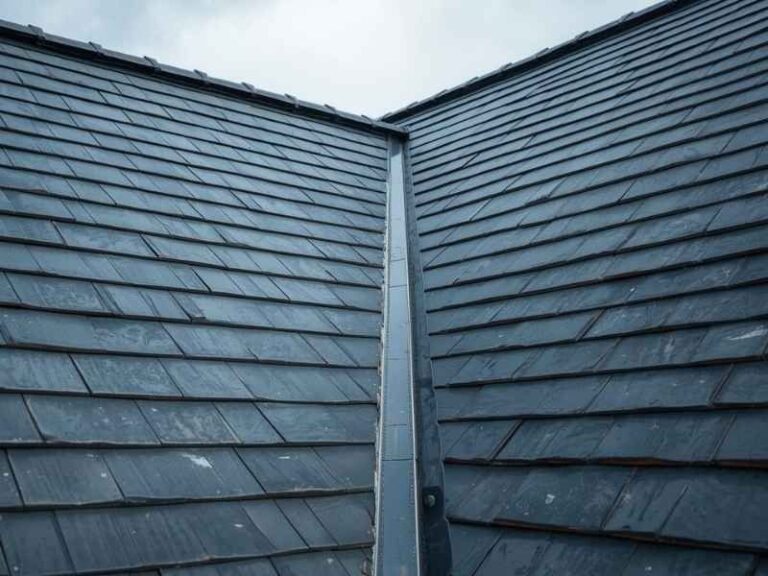
Pay particular attention to valleys, hips, and areas around chimneys where flashings join different roof planes. These junctions handle the most water and often show problems first. Clean gutters at the same time, as blocked gutters cause water to back up under the bottom course of slates.
Understanding Your Roof's Lifespan
High-quality Welsh slate can last 100 to 150 years or more. Some roofs installed in the 1800s still perform their job today. However, this exceptional lifespan depends on proper maintenance and timely repairs.
Concrete tiles, by comparison, typically last 40 to 60 years. The initial investment in slate pays off through this extended service life. When a slate roof "fails," the problem usually isn't the slate itself but the fixings. Old iron nails corrode after 70 to 100 years, creating the nail sickness issue we discussed earlier.
By replacing failed fixings with copper or stainless steel during repairs, you're setting the roof up for another century of service. This makes slate one of the most sustainable roofing materials available. Many reclaimed slates from UK properties find new life on extensions and renovations.
Protecting Against Future Damage
Trees near your property can drop branches onto the roof during storms. Keeping trees trimmed reduces this risk. Remove moss and organic debris that traps moisture against the slate surface, as this can accelerate wear on fixings.
Check that lead flashings remain secure and properly dressed into the roof. These weatherproofing details prevent water from getting behind the slates at vulnerable points. Replace any flashings that have cracked or pulled away from the wall.
Consider having a professional inspection every five years even if you see no obvious problems. An experienced eye can spot early signs of nail sickness, failing mortar in ridge tiles, or other issues that aren't apparent from ground level. Catching these problems early keeps repair costs low.
Cost Factors for Slate Roof Repairs
Typical Repair Pricing
The cost to repair a slate roof varies based on several factors. For replacing a small number of individual slates, expect to pay between £200 and £400. This covers labour, materials, and access equipment for straightforward repairs.
More extensive work costs proportionally more. The type of slate affects pricing significantly. Welsh slate at around £180 per square metre represents a premium material, but synthetic slate at £20 per square metre won't match your existing roof and doesn't last as long.
Labour forms a significant portion of repair costs. Slate work is a specialist trade requiring specific skills and tools. Roofers charge for their expertise in working safely at height, matching materials correctly, and completing repairs that will last decades.
Comparing Repair to Replacement
Repairing a slate roof is almost always cheaper than replacing it entirely. A complete slate roof replacement averages around £184 per square metre, excluding labour. For a typical UK home, this quickly adds up to tens of thousands of pounds.
If your roof has isolated damage affecting less than 20% of the tiles, repair makes clear financial sense. Even if you need to address multiple slates across different areas of the roof, targeted repairs cost a fraction of full replacement.
The calculation changes when nail sickness affects the majority of your roof. At that point, re-fixing all slates with new copper or stainless steel nails might be more cost-effective than gradually replacing tiles as they fail. A professional assessment helps you make this decision based on your specific roof's condition.
Long Term Value
A small repair today can prevent thousands in internal damage tomorrow. Water ingress is one of the most common causes of property insurance claims in the UK, which is why many homeowners ask, “does buildings insurance cover roof repairs” before arranging work. Even minor leaks cause structural timber decay, damaged ceilings, ruined insulation, and plasterwork that needs replacing, highlighting the importance of understanding whether your policy covers roof repairs.
Spending £200 to £400 on slate repairs protects your home's value and prevents these cascading problems. The repair also maintains your roof's overall lifespan, potentially extending it by decades when completed promptly.
From a sustainability perspective, repairing rather than replacing aligns with environmental goals. Slate is a low-processing material compared to manufactured roofing products. Keeping your existing roof in service reduces waste and preserves the embodied energy in those materials.
Common Mistakes to Avoid
Using the Wrong Fixings
Never use iron or steel nails for slate repairs unless they're stainless steel. Regular steel fixings will corrode just like the ones you're replacing, setting you up for the same problems in 20 or 30 years. Always specify copper, stainless steel, or lead-coated fixings that match or exceed the slate's lifespan.
Over-nailing is another frequent error. Driving too many nails through a slate can crack it, especially near edges where the material is most brittle. Two fixings per slate is standard, positioned carefully to avoid weak points in the material.
Mismatching Replacement Slates
Installing slates that don't match your existing roof creates immediate problems. The wrong thickness means tiles won't sit flush with their neighbours, creating gaps where water penetrates. Incorrect size affects headlap, the overlap between courses that keeps weather out.
Colour matching might seem purely aesthetic, but it also indicates you're using appropriate material for your region and roof type. Welsh slate performs differently from Cumbrian or Scottish varieties, and mixing types can create issues with how water sheds across the roof surface.
Poor Access and Safety Shortcuts
Attempting slate repairs from a ladder alone puts you at serious risk. The temptation to lean out or overreach to access damaged tiles leads to falls. Proper scaffolding or roof ladders with anchored ridge hooks provide stable, safe access.
Walking on slate tiles to reach the repair area breaks more slates than you fix. Each cracked tile from foot traffic becomes another repair job, multiplying costs and creating more leak points. Professional roofers use crawl boards that distribute weight across multiple tiles, protecting the roof while they work.