Quick Answer
Yes, fibreglass roofs can be repaired in most cases. The majority of issues like cracks, holes, and surface damage affect less than 5 percent of the total roof area and can be fixed using repair kits containing resin, chopped strand matting, and topcoat. Minor repairs typically take 2 hours to cure and cost significantly less than full replacement, potentially extending your roof's life by 5 to 10 years or more.
Fibreglass roofing, also known as GRP (glass reinforced plastic), has been protecting UK homes since the 1980s. Today, hundreds of thousands of properties across Britain have these durable flat roofs on extensions, garages, and dormers. But what happens when damage appears?
At Checkaroof, we regularly encounter homeowners worried that visible cracks or discolouration mean their entire roof needs replacing. That's rarely the case. Understanding when and how fibreglass roofs can be repaired saves money and extends the life of your property's weatherproofing.
What Makes Fibreglass Roofs Different from Other Flat Roofing Systems
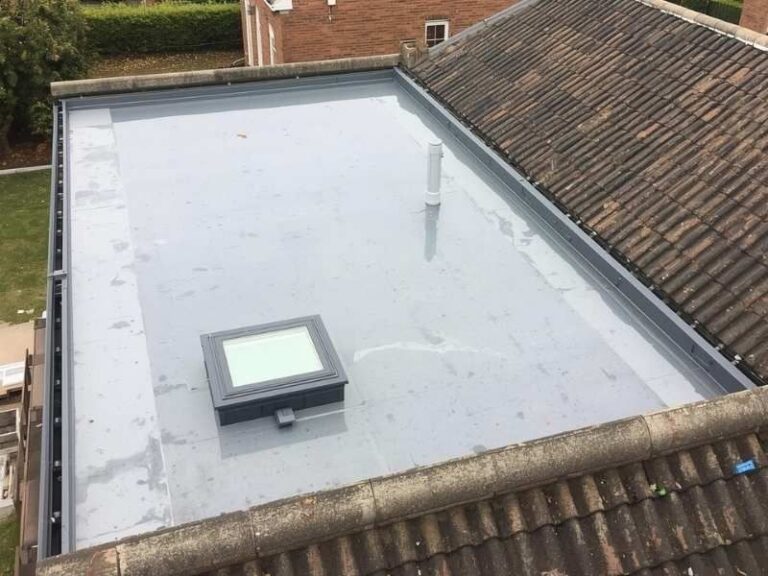
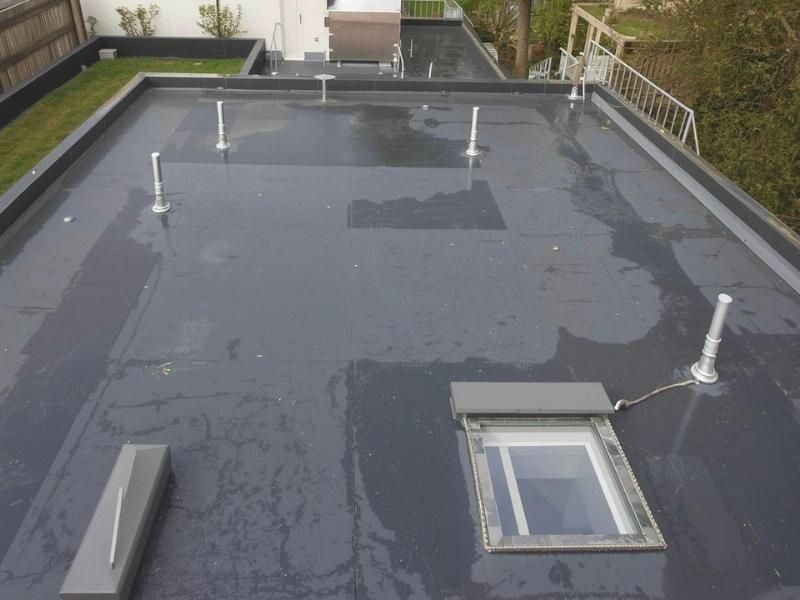
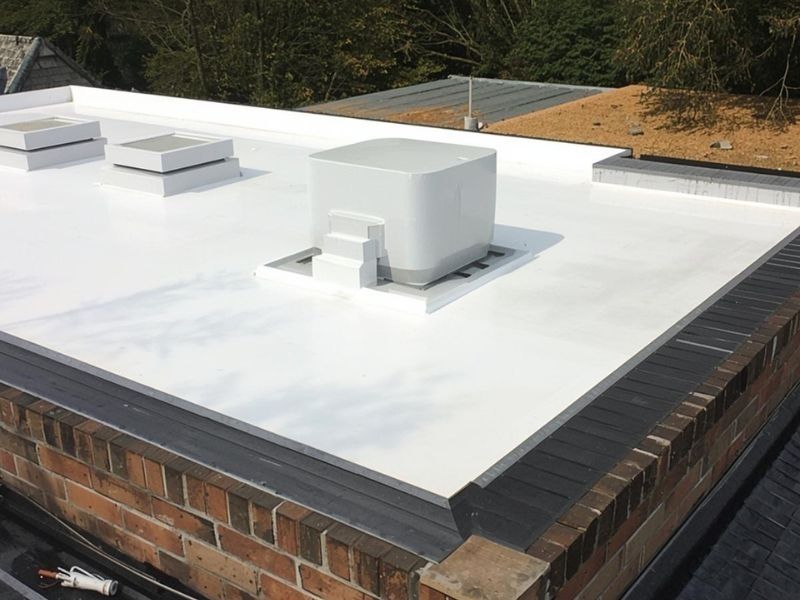
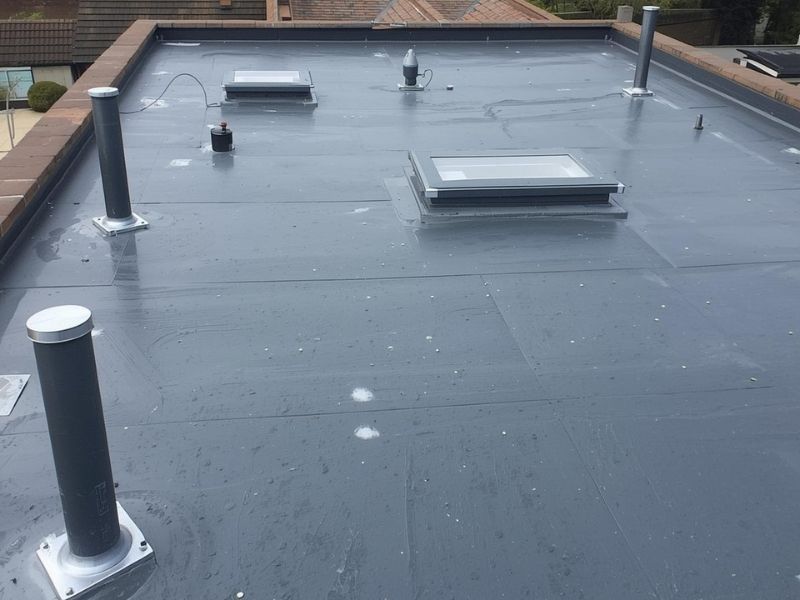
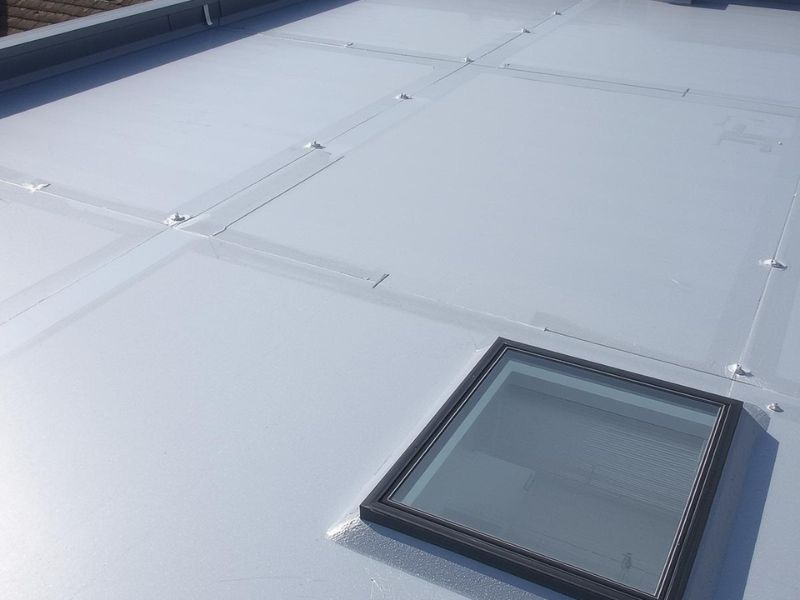
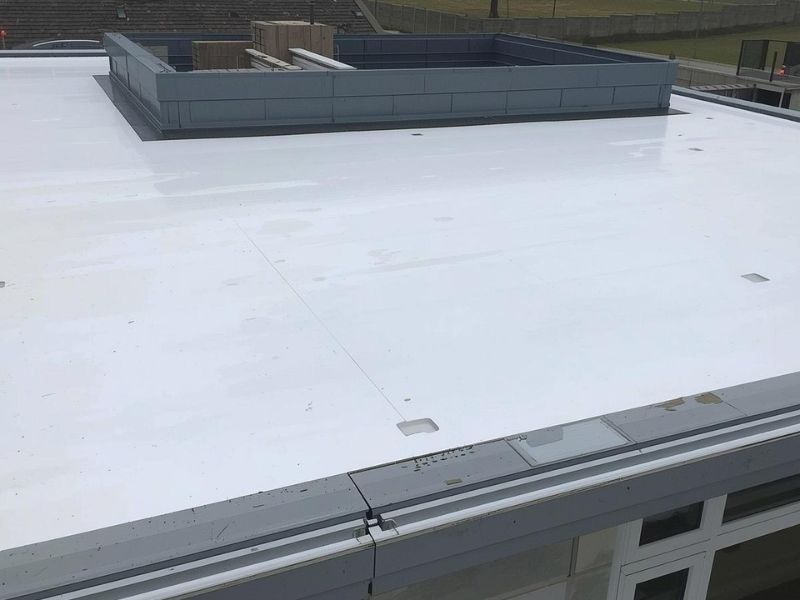
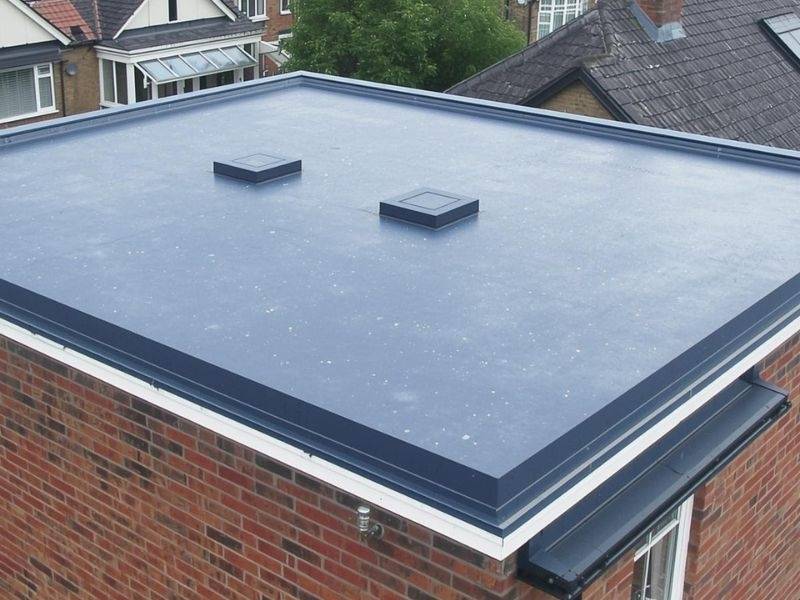
GRP fibreglass roofs create a seamless, waterproof membrane that sets them apart from traditional felt or rubber systems. The material consists of layers of chopped strand matting embedded in polyester resin, finished with a protective topcoat.
This construction method produces a maintenance free surface that typically lasts 20 to 30 years in the UK climate. High-quality installations can exceed 30 years with proper care. The seamless nature means there are no joints or seams where water can penetrate, making effective repair more straightforward when damage does occur.
The most common reason for premature failure isn't the material breaking down but poor installation during the original application. Temperature during installation matters enormously. GRP systems need dry conditions and minimum surface temperatures to cure properly. When moisture gets trapped during installation or the resin doesn't cure correctly, problems emerge within the first few years. Hiring experienced fibreglass roof contractors mitigates these risks.
How Common Damage Happens to Fibreglass Flat Roofs
Several factors cause damage to grp fibreglass roofs over time. Understanding these helps you spot problems early, when repairs are simplest and least expensive.
Impact and Physical Damage
Falling debris during storms, heavy foot traffic during maintenance work, or tools dropped during gutter cleaning can puncture or crack the roof surface. These visible holes and cracks allow water ingress if not addressed promptly. Many repair call-outs we handle at Checkaroof involve patch repairs measuring under 1 square metre from this type of damage.
UV Exposure and Temperature Stress
Even in the UK, direct sunlight contributes to surface wear. Summer roof surface temperatures can exceed 60°C during heatwaves, while winter freeze-thaw cycles stress poorly laid joints or trims. Small hairline cracks caused by expansion and contraction are among the most common issues we see. These can usually be reinforced and resealed before they develop into larger problems.
Installation Quality Issues
Poorly installed fibreglass roofs develop problems far sooner than professionally completed work. Common installation errors include insufficient film thickness in the resin layers, inadequate overlap at edges, or applying topcoat before the base layers have fully cured. These mistakes create weak points where grp cracks and delamination can occur.
Age-Related Surface Degradation
After 15 to 20 years, surface crazing, small blisters, or cosmetic fading appear on many roofs. This doesn't mean structural failure. The underlying layers often remain sound, and these cosmetic issues are repairable with resin reinforcement and restoration coating.
Signs Your Fibreglass Roof Needs Repair
Catching damage early makes repair simpler and prevents further damage to the timber substrate below. Watch for these warning signs.
Water stains on ceilings below the roof indicate leaking that needs immediate attention. Escape of water remains one of the most frequent home insurance claims in the UK, and flat roofs are statistically more likely to develop leaks than pitched roofs.
Visible surface cracks, particularly around edges, upstands, or wall abutments, show where movement or stress has compromised the membrane. A significant percentage of repairs we carry out relate to edge trims and flashing details rather than the main field of the roof, which may be relevant if you’re checking if does buildings insurance cover roof repairs.
Ponding water that sits for more than 48 hours indicates poor drainage or deck sagging. This increases the risk of surface deterioration and needs addressing even if no leaks have appeared yet.
Discolouration, chalking, or a degrading fibreglass roof surface suggests UV exposure has worn the top coat. While not immediately critical, this reduces protection and should be restored before the underlying layers suffer damage.
Bubbling or delamination where layers are separating indicates trapped moisture or incomplete curing during installation. This type of damage spreads if left untreated.
When Repair Makes More Sense Than Replacement
Deciding between repair and replacement depends on several factors. Given the UK's wet climate, with over 100 days of rainfall annually in many regions, maintaining watertight detailing is critical.
If damage affects less than 25 to 50 percent of the total roof area, repair is almost always the most cost-effective option. The majority of fibreglass roof problems are localised to small areas rather than full system failure. Localised GRP repairs commonly cost a fraction of full roof replacement, which can run into several thousand pounds.
For roofs less than 15 years old with isolated damage, repair extends the lifespan substantially. Early repair work can add 5 to 10 years or more to a roof's service life, delaying the eventual need for replacement.
When only the surface shows wear but the underlying structure remains sound, applying a grp restoration coating can restore the roof for an additional 10 to 15 years of protection. This costs far less than complete replacement.
However, if more than 50 percent of the roof shows damage, the timber deck has rotted from prolonged water exposure, or the roof has reached 25 to 30 years of age with widespread problems, replacement becomes the more practical choice.
What's Inside a Fibreglass Repair Kit
Understanding the materials helps you assess whether you're getting quality products for the job. A standard fibreglass roof repair kit typically covers approximately 1 square metre and contains everything needed for small area repairs.
The kit includes polyester resin mixed with a catalyst before application. The catalyst triggers the chemical reaction that hardens the resin. The clear graduated mixing cup provided helps measure these components accurately according to the manufacturer's instructions.
Chopped strand matting, usually weighing 450g or 600g per square metre, provides structural reinforcement. This strand matting gets embedded in the resin to recreate the original layered construction.
A topcoat seals and protects the repair, matching the existing roof finish. This grp roofing topcoat shields against UV exposure and water damage. Some kits include a resin topcoat as well for additional protection.
Most kits provide basic tools like a short pile roller for applying resin smoothly and a paddle roller for consolidating layers and eliminating air bubbles. Sand (around 40-grit) or heavy-grit sandpaper prepares the surface for bonding.
Some specialised kits include a mouldable uv cured patch for instantly seal small holes or a sealant for filling gaps and hairline cracks before the main repair.
The Step-by-Step Fibreglass Roof Repair Process
Repairing a fiberglass roof follows several steps that mimic the original construction method. We'll walk through a typical repair for cracks or small holes.
Preparing the Surface
Clean the roof surface thoroughly with a mild detergent and water, removing dirt, moss, and debris. The area must be completely dry before proceeding. Working in wet conditions or when rain is forecast will ruin the repair.
Inspect the damage carefully. Check if the crack extends through just the topcoat or into the underlying layers. Larger damage requires more extensive reinforcement.
Sand the repair area with 40-grit sandpaper or similar heavy-grit material, extending about 50mm beyond the damaged section. This roughens the surface so the new resin bonds properly. Clean away all dust with acetone to remove contaminants.
Applying the Repair
Cut the chopped strand matting to size, allowing overlap beyond the damaged area. For larger repairs, multiple layers may be needed, just like the original installation.
Mix the polyester resin with the catalyst according to the manufacturer's instructions. Getting the ratio right is essential for proper curing. Work in temperatures above 10°C when possible, as cold slows curing significantly.
Apply a generous layer of resin to the prepared surface using a brush or short pile roller. Lay the strand matting over the wet resin, then apply more resin on top, working it through the matting with the roller. The paddle roller helps consolidate everything and remove air bubbles that would create weak spots.
For deeper damage or visible holes, build up layers gradually. Each layer should be allowed to cure slightly (usually becoming tacky) before adding the next to avoid movement or sagging.
Finishing the Repair
Once the structural repair has cured, usually taking around 2 hours depending on temperature, sand the surface smooth with finer grit paper. This creates an even finish that blends with the surrounding roof.
Apply the grp roofing topcoat in one coat or multiple thin coats, depending on the product. This recreates the smooth finish and provides UV protection. Some products require two coats for adequate film thickness and a long lasting barrier against the elements.
The repair should be fully covered and protected from foot traffic until completely cured, which can take 24 to 48 hours in typical UK weather conditions.
Using GRP Restoration Coating for Larger Surface Areas
When the entire roof surface shows wear but the structure underneath remains sound, a restoration coating offers an alternative to patching individual spots.
These specialised coatings, applied like paint, can completely restore a degrading fibreglass roof without removing the existing material. They're designed to reinforce the surface, fill minor crazing, and provide a fresh protective layer.
A grp restoration coating typically extends the life of a fibreglass roof by 10 to 15 years when applied correctly. This makes it far more cost-effective than new roof installation for roofs showing age but not structural failure.
The application process involves thorough cleaning, light sanding to create a key, then applying the coating with a roller. Multiple coats build up adequate film thickness for durability. The coating must be applied to a completely dry surface in suitable weather conditions.
Common Mistakes That Compromise Repairs
Even straightforward repairs fail if certain errors occur. At Checkaroof, we've seen these mistakes cause problems.
Applying repairs in damp or cold conditions prevents proper curing. The roof must be bone dry, and temperatures should ideally be above 15°C. Moisture trapped under the repair leads to future delamination.
Insufficient preparation, particularly failing to sand and clean the area thoroughly, stops the new resin bonding properly. This creates a repair that looks fine initially but fails within months.
Using too little catalyst or mixing incorrectly leaves the resin tacky rather than fully hardened. Following the manufacturer's instructions precisely prevents this.
Skimping on materials creates thin spots. Adequate film thickness in both the resin and topcoat layers ensures long-term protection. Trying to stretch a kit too far by covering more than its intended area leaves the repair vulnerable.
Not allowing proper cure time before exposing the repair to foot traffic or water can ruin the work completely.
Maintenance That Prevents Future Repairs
Regular inspections and simple maintenance extend the life of grp roofing and catch small problems before they need extensive repair work.
Visual inspections should be conducted at least twice a year and after severe weather conditions. Look for cracks, discolouration, or any signs of damage. Catching issues early means simpler, cheaper repairs.
Cleaning the fibreglass roof at least once a year helps maintain its condition and prolongs its lifespan. Remove leaves, moss, and debris that trap moisture against the surface. This is particularly important around gutters and drainage points.
Keep gutters and drainage clear to ensure proper water flow and prevent ponding on the roof. Blocked gutters contribute to leaking if water backs up under edge trims.
Consider applying a protective coating every 10 to 15 years as preventive maintenance rather than waiting for visible wear. This proactive approach maintains the insulating and protective properties of the roof without needing structural repairs.
Minimise foot traffic on the roof. If access is necessary for maintenance, use boards to distribute weight rather than walking directly on the surface.
How Much Do Fibreglass Roof Repairs Cost?
Understanding the financial side helps you make informed decisions about repair versus replacement.
A standard fibreglass roof repair kit for small areas typically costs between £50 and £150, depending on the size and quality. These kits cover 1 to 10 square metres depending on the product. For many homeowners, this represents significant savings compared to professional callouts or replacement.
Professional repair services vary widely based on location and damage extent. Minor repairs might cost £200 to £500, while more extensive work could reach £1,000 to £2,000. This still represents a fraction of the cost to replace an entire flat roof, which commonly runs £2,000 to £5,000 or more for typical domestic installations.
Restoration coating for a full roof surface falls somewhere between simple repairs and replacement, typically costing £40 to £60 per square metre including labour.
When evaluating cost, factor in that repairing a fibreglass roof can extend its life by a decade or more compared to replacement. Early intervention on minor damage prevents the expensive structural repairs needed when water reaches the timber deck below.
Professional vs DIY Fibreglass Roof Repair
Whether to tackle repairs yourself or hire professionals depends on several factors.
Small repairs using a repair kit can be a DIY project if you're comfortable working at height and following technical instructions carefully. The materials are straightforward to use, and the potential savings make it attractive for confident homeowners.
However, working with polyester resin requires proper safety precautions. Wear latex gloves, eye protection, and a dust mask throughout the process. The materials produce strong fumes and skin contact causes irritation.
For larger damage, complex roof layouts, or if you're unsure about the extent of underlying problems, professional assessment makes sense. At Checkaroof, we can identify issues not visible from the surface and ensure repairs address the root cause rather than just symptoms.
Poor DIY repairs often cost more in the long run than getting the job done properly initially. If the damage extends to the deck, involves waterproofing details around rooflights or upstands, or you're not confident about working safely at height, professional help from a skilled roofing company is the better choice.
Many roofs still fall under guarantee from the original roofer for the first 10 to 15 years. Check your documentation before attempting repairs yourself, as DIY work might void coverage.
Understanding the Lifespan of Repaired Fibreglass Roofs
A properly executed repair should provide years of additional service from your roof.
The effectiveness of fibreglass roof repair kits can extend the life of a roof for 10 to 15 years when used correctly on minor damage. This compares favourably to the typical 1 to 3 year lifespan of temporary patches using sealant alone.
Professional-grade repairs using the laminate technique, where new chopped strand matting and resin are layered over damaged sections, essentially recreate the original roof structure in that area. When done properly, these repairs can last as long as the surrounding undamaged roof.
Regular maintenance after repair is still important. Keeping the surface clean, maintaining gutters, and addressing minor issues promptly protects your investment in the repair work.
For roofs approaching 20 to 25 years of age, even good repairs may only extend the service life by 5 to 10 years before full replacement becomes necessary. At that point, age-related degradation across the entire roof makes replacement more economical than ongoing repair work.
How Weather Affects Fibreglass Roof Repairs in the UK
British weather presents specific challenges for roof repairs that affect timing and technique.
The UK's frequent rainfall means finding a suitable weather window is often the biggest challenge. Repairs need completely dry conditions for at least 24 hours before starting and 24 to 48 hours after for proper curing. Check forecasts carefully and plan for several days of settled weather.
Temperature matters significantly. Most repair materials work best above 15°C. Below 10°C, curing slows dramatically and may not complete properly. This makes late spring through early autumn the ideal period for repairs, though mild winter days can work if temperatures cooperate.
High humidity, even without rain, can affect curing and bonding. Morning condensation on the roof surface needs to evaporate completely before starting work.
Summer heat above 25°C speeds curing, which sounds positive but can make materials harder to work with. Resin may start to set before you've properly worked out air bubbles or achieved a smooth finish. Working early in the morning during hot spells gives more time before the heat intensifies.
Final Thoughts on Fibreglass Roof Repair
The question "can a fibreglass roof be repaired" has a clear answer for most situations: yes. The majority of damage we encounter at Checkaroof involves localised issues affecting small areas rather than complete system failure.
Whether a minor crack sealed with sealant and a fresh topcoat layer, a small area reinforced with a repair kit, or a full surface restored with coating, options exist for most fibreglass roof problems. The key is catching damage early through regular inspections and addressing it before water penetrates to the deck below.
Installation quality makes the biggest difference to how a roof performs over its lifespan. Professionally installed GRP systems have significantly lower early failure rates than rushed or improperly cured work. When repairs are needed, the same attention to detail and proper technique ensures they perform well.
For UK homeowners with the hundreds of thousands of fibreglass roofs installed over the past 30 to 40 years, understanding repair options provides peace of mind. Minor cracking or surface wear doesn't automatically mean the roof has failed. In most cases, straightforward repairs restore full waterproofing and extend the roof's life by many years, at a cost far below replacement.