What Causes Lead Flashing and Lead Valley Damage on Your Existing Roof
Lead naturally expands and contracts with temperature changes. Over time, this movement causes stress at joints, mortar line connections and fixing points. When lead starts to crack or split, water finds its way through these gaps.
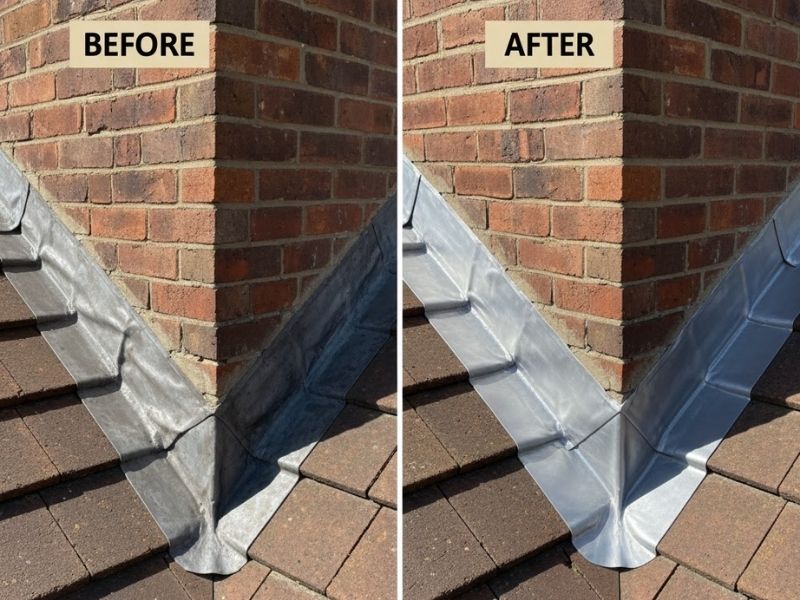
Roof valley flashing handles massive volumes of rainwater, making valley areas one of the highest-stress points on any pitched roof. A single valley channels water from two roof slopes, and when that flow gets interrupted by a crack or split in the lead valley, you get leak problems. Weather exposure, blocked gutters and damaged roof tiles all speed up deterioration and can lead to costly repairs if left unchecked.
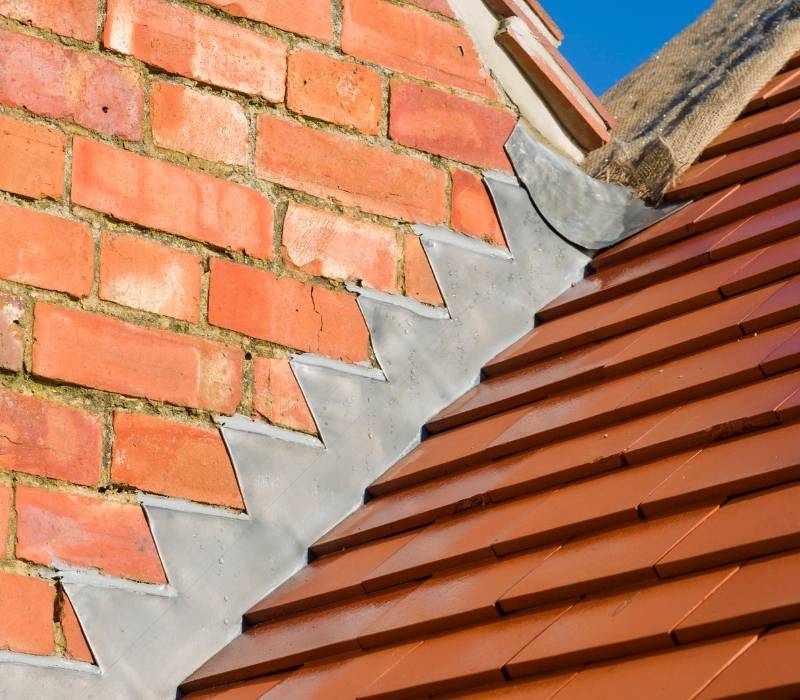
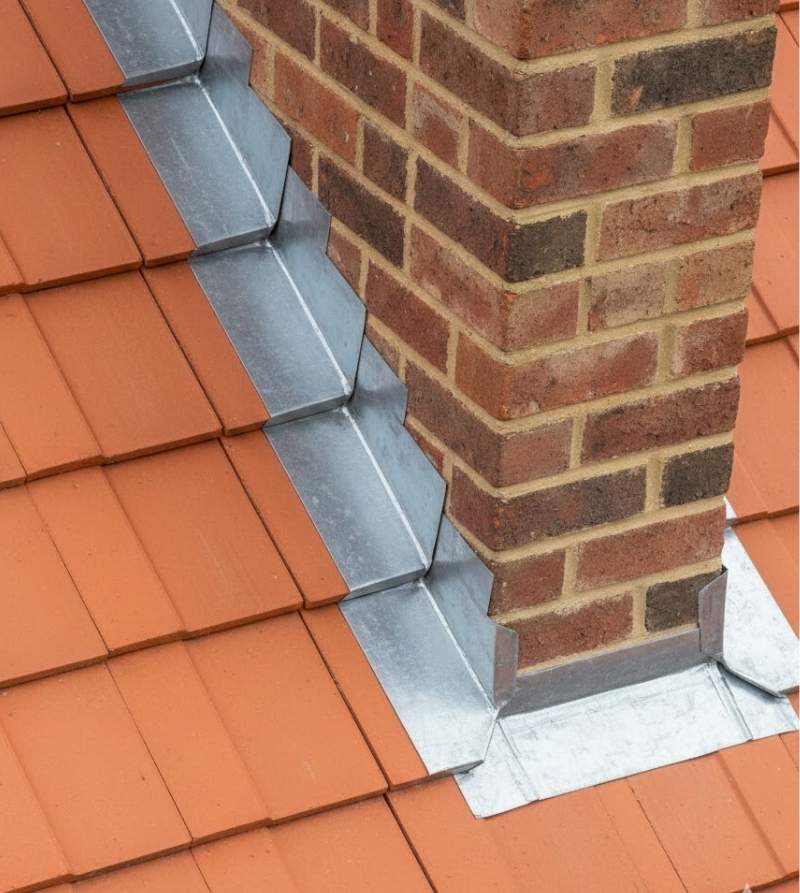
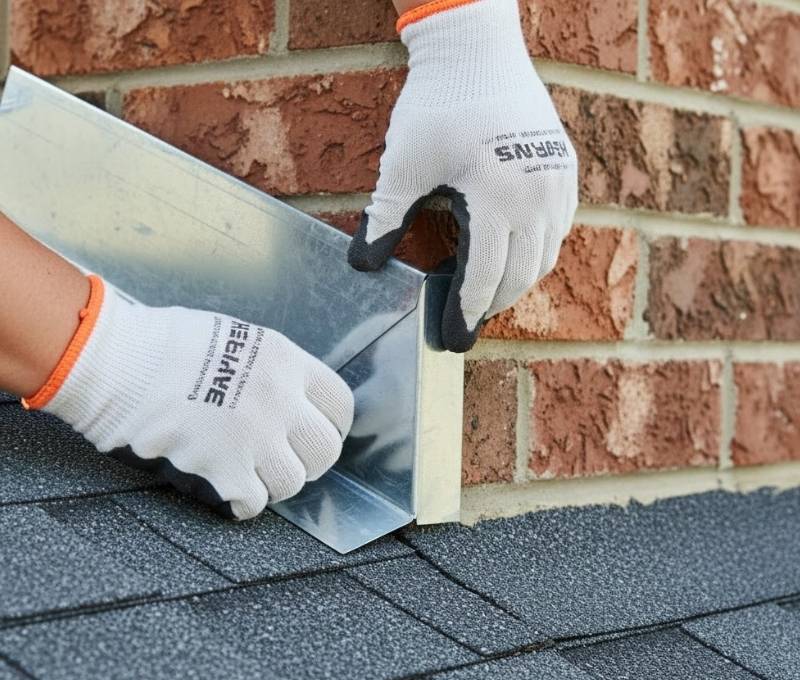
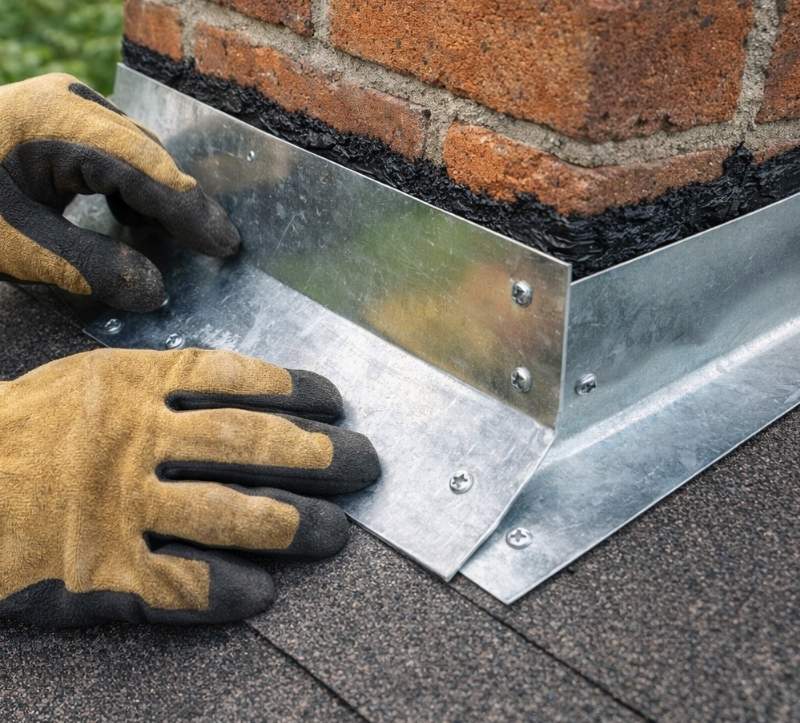
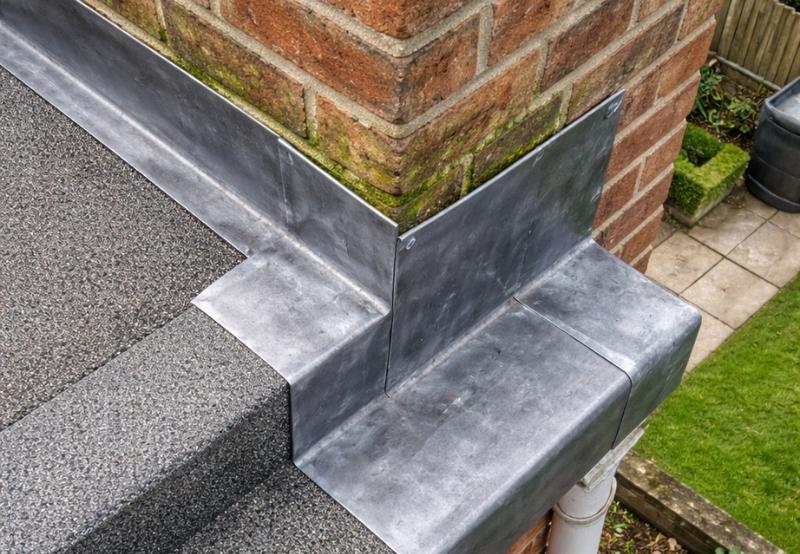
The most common points of failure we see are at joins, around chimney stacks, and where lead meets different roof material types. Movement in the roof structure combined with decades of thermal expansion creates tiny crack formations that grow into bigger problems. Heavy rain and snow accelerate this process, while excessive UV exposure causes lead to stiffen, crack and eventually tear over time.