Quick Answer
The best flat roof materials in 2025 are EPDM rubber roofing (lasting 30-50 years and costing £80-120 per square metre), GRP fibreglass (lasting 20-30+ years at £100-150 per square metre), and single-ply PVC membranes like Sarnafil for commercial buildings. For homeowners asking the best material to cover a flat roof, EPDM and GRP offer excellent longevity and low maintenance, making them top choices. EPDM stands for ethylene propylene diene monomer, a synthetic rubber that handles UK weather brilliantly. Modified bitumen and traditional felt roofing remain popular for lower budgets, though they need replacing sooner.
Understanding What Makes a Flat Roofing Material Work Well for UK Properties
When we look at flat roof materials and flat roof coverings at Checkaroof, the UK climate shapes everything. Different flat roof coverings perform differently under British weather conditions, which is why understanding how to repair a flat roof properly is just as important as selecting the right system. Modern flat roof coverings use advanced materials that previous generations never had access to. We deal with constant moisture rather than baking heat. Freeze-thaw cycles and heavy rainfall cause most flat roof failures here, which explains why flexible membrane systems have become more popular than rigid options. Understanding how your roof performs under UK conditions matters more than chasing the latest trends or simply searching online for how to repair a flat roof without considering long-term performance.
Around 30 to 35 million square metres of flat roofing are installed annually across the UK. That massive number shows how common flat roofs are on extensions, apartments, and commercial buildings. Many homeowners are replacing older felt roofs installed in the 1980s and 1990s with modern rubber or PVC membranes during renovations. Every roof replacement represents an opportunity to upgrade to better materials.
A well-installed flat roof in the UK typically lasts between 20 and 40 years. The material matters, but drainage, installation quality, and maintenance often matter more. Choosing an experienced flat roof installers ensure every detail, from substrate preparation to waterproofing layers, is completed to the highest standard. Premium systems like Sarnafil are specified with strict installation standards for exactly this reason. Your roof investment should last decades with proper care, especially when fitted by a qualified flat roof installer.
EPDM Rubber Roofing Systems Bring Proven Reliability
EPDM rubber roofing has become a go-to choice for many property owners. An EPDM flat roof system offers proven reliability. Modern rubber membranes like EPDM now account for roughly 30 to 40 percent of the UK flat roofing market, showing a major shift away from traditional felt systems.
This roofing material consists of a form of synthetic rubber that demonstrates excellent waterproofing capabilities. The EPDM roofing system delivers incredible performance. EPDM is incredibly waterproof and is used in various applications due to its waterproofing qualities, including pond liners. The material can expand by up to 300% in length and then return to its original size, which helps prevent cracks.
EPDM roofs regularly achieve 30 to 50 years or more in real UK conditions, especially where drainage is good. These EPDM roofs handle British weather patterns brilliantly. The expected lifespan of an EPDM rubber roof is around 25-30 years as a minimum, similar to GRP flat roofing. EPDM roofs have become a standard choice for domestic properties. The quality of EPDM selected plays a major role in its long-term durability.
How EPDM Handles UK Weather Conditions
The rubber roofing membrane has an elasticity that allows it to handle thermal movement, contraction, and expansion without leading to cracks or splits. Your roof needs to flex with temperature changes throughout the year. Neither EPDM nor GRP is affected by the sun, meaning blistering, cracking, and rotting do not occur due to sun exposure. This protects your roof from UV damage over time.
EPDM is made from recycled materials, making it an eco-friendly option for flat roofing. The material is relatively affordable and made from recycled material, which can bring the cost down further. Typical UK flat roof costs range from around £80 to £120 per square metre for EPDM. Planning your roof budget becomes easier with these clear price points.
Installing EPDM Rubber Systems Properly Matters
EPDM roofing comes in pre-made rolls, ready to be rolled out across the roofing. The material can be installed by DIYers as well as professionals, as long as the installation instructions from manufacturers are followed. Getting your roof installed properly matters more than the material choice itself. The tools required to install EPDM roofing are relatively generic.
EPDM roofing is flexible, allowing it to be used on roofs with uneven structures without issues. Installation methods for roofing materials vary, with some being DIY-friendly and others requiring professional installation. Your roof structure determines which approach works best. When installed correctly, EPDM provides protection that lasts decades. A properly installed roof delivers decades of reliable service.
Fixing EPDM When Damage Happens
Repairing small holes or tears in EPDM roofs is relatively quick and easy. You can purchase a number of EPDM roof repair kits. The tensile strength of EPDM is around 17.5 MPa, which provides good durability for most applications.
GRP Fibreglass Systems Create Seamless Waterproof Surfaces
GRP stands for glass-reinforced plastic and is also referred to as fibreglass roofing. The material is a composite material made from glass fibre fragments and polyester resin. GRP fibreglass is estimated to be used by around 20 to 30 percent of UK roofers, particularly on residential extensions and garages where seamless finishes matter. The fibreglass construction delivers exceptional results.
Professional fibreglass roof contractors often recommend GRP systems for projects where durability, seamless installation, and long-term performance are essential.
Both EPDM and GRP flat roofing have been around for over 50 years. GRP roofs usually sit in the 20 to 30 plus year range, making them popular for homeowners wanting a solid mid-range lifespan. The material is known for extreme durability, often lasting over 30 years and is excellent for areas with heavy rainfall or foot traffic. A fibreglass roof holds up well under demanding conditions. Every roof benefits from the waterproof qualities fibreglass provides.
Why GRP Fibreglass Works on Complex Shapes
GRP roofing has an incredible strength-to-weight ratio, meaning that less material is required to provide good strength properties. The fibreglass GRP system can be applied to almost any shape, including complex shapes that other materials struggle with. Fibreglass GRP creates a seamless roofing membrane that keeps water out completely.
To install GRP roofing, you add a layer of polyester resin, then a mat of chopped strand mat (fibreglass strands), and then another layer of resin topcoat. This fibreglass grp process creates the grp laminate structure. The fibreglass GRP roofing membrane forms during installation. The appearance of a finished GRP roof is one of its biggest draws, as it is clean, seamless, and available in a range of colours.
Understanding the GRP Installation Process
GRP roofing can only be installed in completely dry weather, which can be a challenge. A fibreglass roof needs proper conditions during the curing process. GRP roofing requires several more specialised tools and products, which results in a more expensive flat roofing material compared to basic options.
The grp flat roofing system produces a smooth finish when done right. The fibreglass roof remains one of the most attractive flat roofing systems available. Fibreglass GRP flat roofs can be overlayed on top of an existing roof, saving on cost in some situations. These flat roofing systems offer many benefits for property owners. Typical UK flat roof costs range from roughly £100 to £150 per square metre for GRP.
Maintaining and Repairing Fibreglass Roofs
Repairing GRP roofing can be a little more complicated due to the material used, but it can also be patch repaired. Professional fibreglass roof repairs ensure that any damage is properly assessed and restored using compatible materials for a seamless finish. Patch repair kits can be purchased that are specific to GRP roofing for long-term fixes, although larger issues may require specialist Fibreglass Roof Repairs to maintain structural integrity. Many property owners often ask, can a fibreglass roof be repaired, and in most cases the answer is yes when addressed professionally and at the right stage of damage. The tensile strength for fibreglass can be as high as 78.83 MPa depending on the type, which is considerably higher than EPDM rubber. The laminate construction provides exceptional long term durability, making Fibreglass Roof Repairs a reliable and lasting solution when carried out correctly.
GRP is extremely waterproof and is used in a range of marine applications such as on the hulls of boats. The laminate layers work together to provide protection against all weather conditions. GRP is incredibly resistant to corrosion, meaning that it can be installed on roofs near factories and commercial buildings that handle chemicals. The laminate structure of GRP delivers strength that lasts decades.
Modified Bitumen Provides a Middle Ground Option
Modified bitumen has grown as a popular flat roofing materials choice. The material sits between traditional felt roofing and modern membrane systems in terms of cost and performance. This bitumen option offers benefits that appeal to both domestic and commercial properties.
The roofing system typically lasts longer than basic felt but costs less than premium EPDM or GRP options. Modified bitumen is constructed from asphalt that has been modified with rubber or plastic polymers. This makes it more flexible and durable than older bitumen products.
How Modified Bitumen Performs in Practice
The material handles UK weather conditions well. It resists water penetration and holds up under foot traffic when specified correctly. Some systems use hot bitumen for installation, while others offer cold-applied alternatives that avoid fire risk.
Heat-welded seams can be used on some products, providing good joint strength. The material typically comes in rolls and can be glued or heat-bonded to the roof structure. Installation usually requires professional skills to get the best results.
Cost and Lifespan for Modified Bitumen Systems
The material generally sits in the middle cost range. Although modern membranes cost more upfront, lifecycle calculations often show long-term savings because fewer replacements are needed over a 30 to 40 year period. This bitumen-based option balances upfront cost against long-term durability.
The material needs regular maintenance to reach its full lifespan potential. Proper drainage and avoiding standing water extends life significantly. Over long timeframes, longer-lasting membranes can reduce annual roofing costs significantly compared to cheaper felt installations that need replacing sooner.
Traditional Felt Roofing Still Has Its Place in the Market
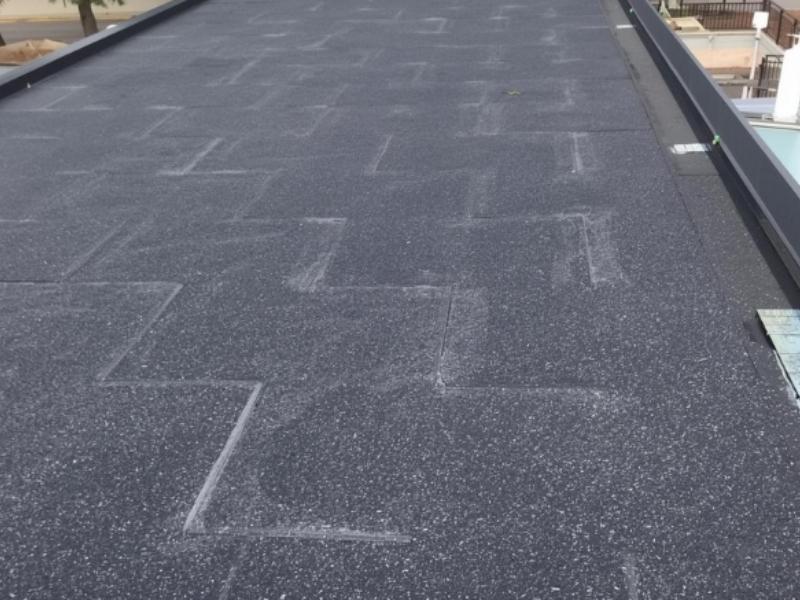
Despite newer materials growing fast, built-up felt still makes up around 40 percent of installations, largely because of its lower upfront cost. Felt roofing consists of layers of felt material bonded together, often with bitumen. This represents the low cost end of flat roof materials.
Traditional felt roofs often last 10 to 20 years. This shorter lifespan explains why many UK homeowners upgrade to longer-lasting materials during refurbishments. Among all flat roof materials available, felt remains popular for tight budgets. Typical UK flat roof costs range from around £40 to £80 per square metre for felt, compared with roughly £80 to £120 per square metre for EPDM.
When Felt Roofing Makes Sense
Felt works well for temporary structures or buildings where budget matters more than lifespan. Some property owners choose felt knowing they'll replace the roof in 10 to 15 years. The low upfront cost makes felt accessible.
Felt works well for temporary structures or buildings where budget matters more than lifespan. Some property owners choose felt knowing they'll replace the roof in 10 to 15 years. The low upfront cost makes felt accessible, particularly for those planning future upgrades or phased refurbishments where felt roof repairs may be anticipated as part of ongoing maintenance.
Single-ply PVC Membranes Dominate Commercial Applications
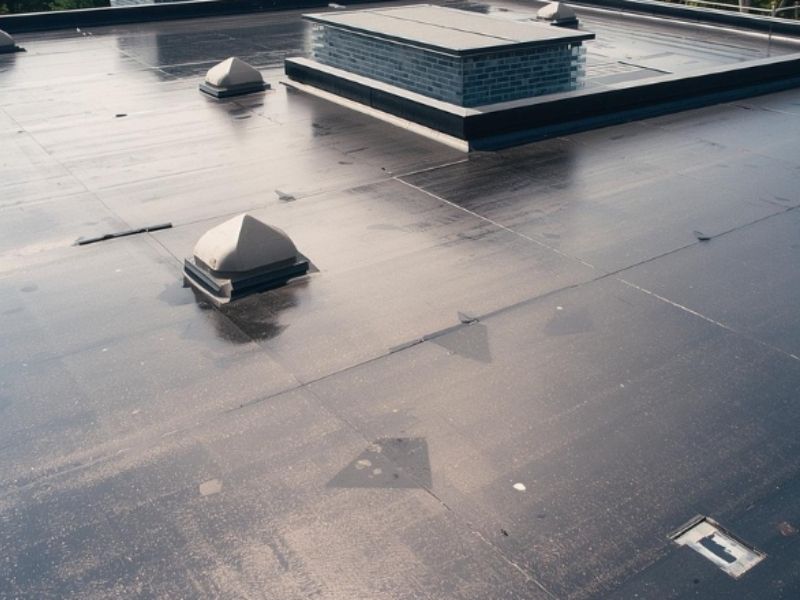
Single-ply membranes, including PVC systems such as Sarnafil, dominate commercial flat roofs across the UK due to durability and fire performance. Sarnafil is a well-known PVC single-ply membrane frequently used on large commercial buildings, schools, and modern residential developments in the UK.
In the UK single-ply market, PVC membranes dominate commercial projects, often chosen for flat roofs with complex layouts or rooftop equipment. PVC systems like Sarnafil are especially popular where fire safety, lightweight construction, and energy efficiency matter.
Why Sarnafil Works for Demanding Applications
High-performance single-ply membranes like Sarnafil are widely chosen on commercial buildings because they can reach multi-decade lifespans with minimal maintenance, particularly when installed by accredited Sarnafil roofing contractors. The material handles equipment placement and heavy foot traffic better than many other options.
PVC and TPO are premium choices for energy efficiency due to their white, reflective surfaces, making them ideal for commercial or eco-conscious projects. Heat-welded seams in PVC and TPO membranes provide exceptional strength and puncture resistance, though PVC may shrink or crack over time if not installed properly.
Understanding the Commercial Roofing System Advantages
GRP (Glass Reinforced Plastic) and PVC are often preferred for commercial or high-traffic areas due to their superior structural strength and chemical resistance. The roofing membrane on commercial buildings needs to handle more stress than domestic roofs.
TPO (Thermoplastic Polyolefin) is known for its durability and energy efficiency due to its reflective surface. These flat roofing systems offer excellent performance but typically require professional installation to meet warranty requirements.
Comparing Materials Helps You Choose What Fits Your Building
When we compare different flat roof materials, several factors matter beyond just price. The roof structure must support the weight of the material, which is particularly important for green roofs or ballasted systems. Understanding your roof needs helps narrow down choices.
The best flat roof material for your building depends on your specific situation. EPDM roofs offer excellent value for most domestic properties. GRP fibreglass roofs create beautiful finishes on extensions and garages. The fibreglass option delivers stunning visual results. Commercial buildings often need the performance of Sarnafil or similar PVC systems. Each roof type serves different needs best.
What Lifespan Really Means in Practice
The quality of installation and the level of care and maintenance provided to the roof will ultimately dictate its lifetime. A poorly installed premium system will fail faster than a well-installed budget system. Your roof lifespan depends heavily on workmanship quality. GRP roofing has been shown to last for many decades when installed by trained professionals and correctly maintained. Every roof benefits from regular inspections.
Different roofing material options suit different applications. Glass reinforced polyester (another term for GRP) and ethylene propylene diene monomer (EPDM's technical name) both perform well, but in different scenarios. The market offers a range of solutions. Choosing the right roof covering makes all the difference.
Understanding Installation Requirements and Costs
Some materials demand professional installation. Others allow DIY installation if you follow manufacturer guidelines carefully. Cold-applied roofing systems have grown in demand across Britain because they avoid hot works, which reduces fire risk during installation on schools, hospitals and housing blocks.
The building type influences material choice too. Domestic properties have different needs than commercial buildings. A flat roofing system for a small garage differs from one for a large warehouse roof.
Making the Right Choice for Your Specific Flat Roof
The best material to cover a flat roof depends on your budget, building type, and long-term plans. EPDM rubber roofing delivers excellent value with 30-50 year lifespans. The material costs £80-120 per square metre and handles UK weather brilliantly. Your roof choice impacts your property for decades.
GRP fibreglass costs £100-150 per square metre but creates stunning seamless finishes. The material works brilliantly on complex shapes and provides extreme weather conditions protection. A fibreglass roof transforms garage and extension aesthetics. Modified bitumen offers a middle ground, while traditional felt roofing keeps upfront costs low at £40-80 per square metre. Each roof system brings different advantages.
For commercial buildings, Sarnafil and other single-ply PVC membranes provide the performance needed. These premium systems handle heavy foot traffic and extreme weather conditions while lasting multiple decades with minimal maintenance. Commercial roof requirements differ significantly from domestic needs.
What Matters Most When You Install a New Flat Roof
The best flat roofing materials in today's market all perform well when installed correctly. A durable material poorly installed will fail quickly, which is why choosing the right roofing company is critical. A basic material expertly installed often outlasts expectations.
We always recommend working with experienced installers who understand the specific setup being used. The approach needs proper insulation underneath and adequate drainage to function well. These factors often matter more than the roofing material itself. Quality insulation below the roof covering extends lifespan significantly.
Many property owners focus solely on upfront cost, but the total cost over 30 years tells a different story. Popular flat roofing materials that last longer often cost less per year when you factor in replacement and repair costs. The investment in quality materials and professional installation pays off through decades of reliable protection.