How to Recognize When Your Guttering System Needs Complete Replacement
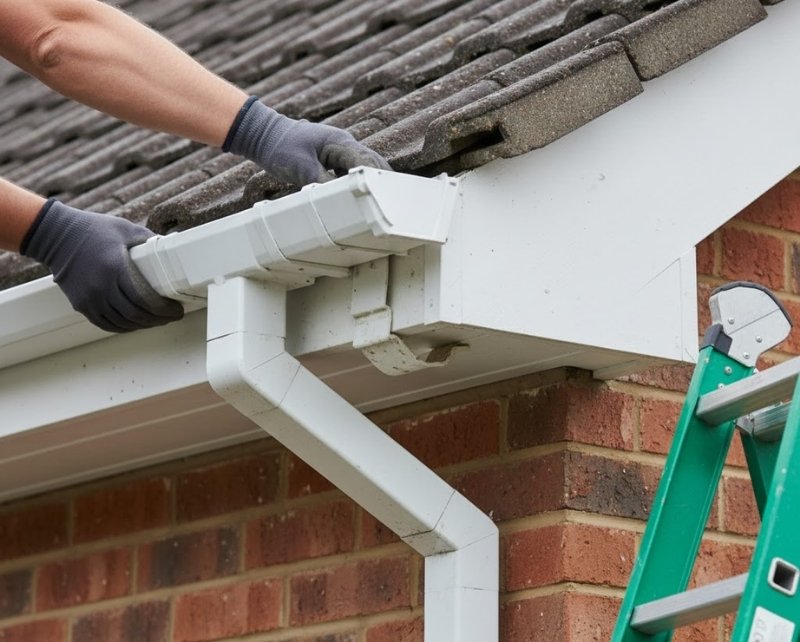
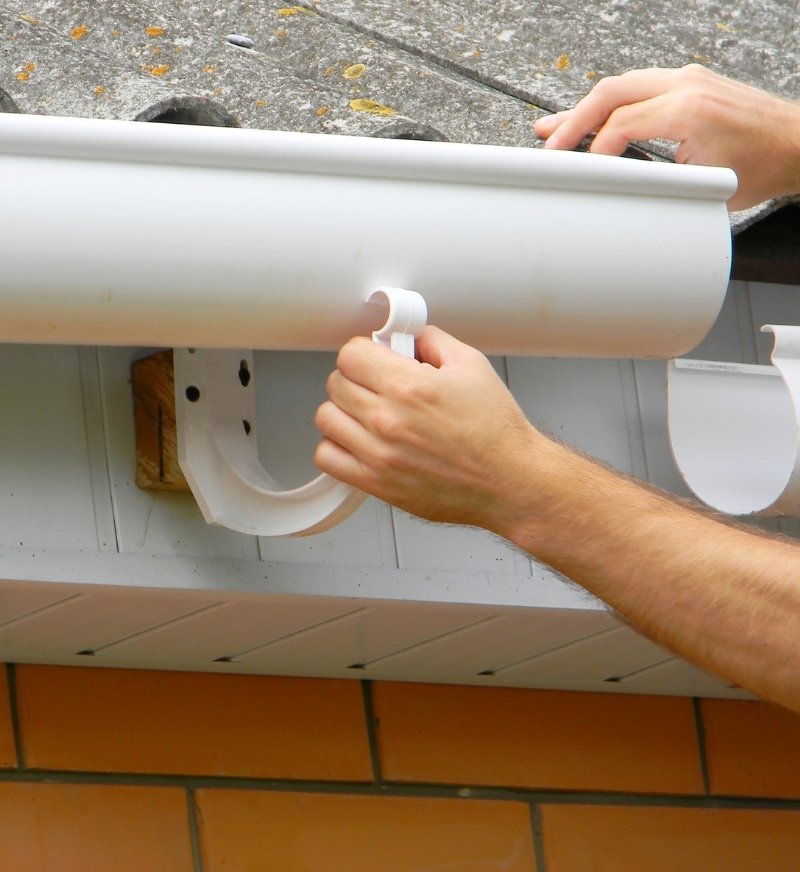
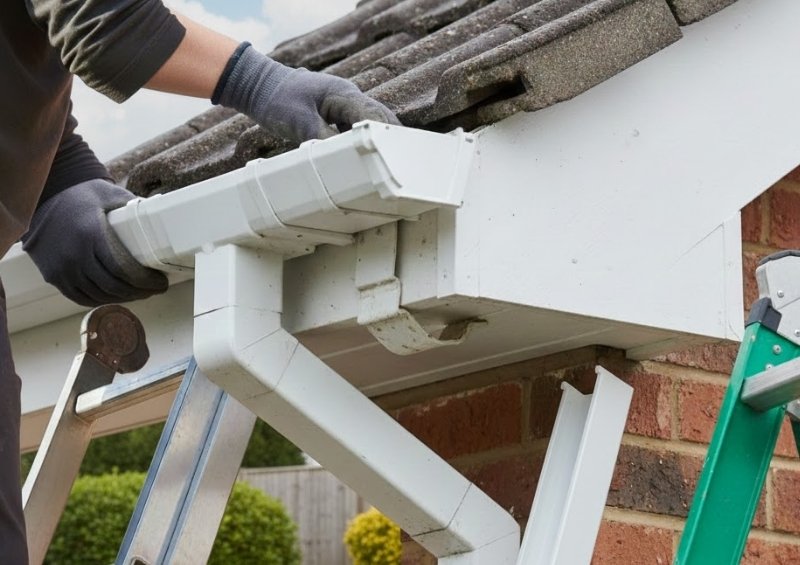
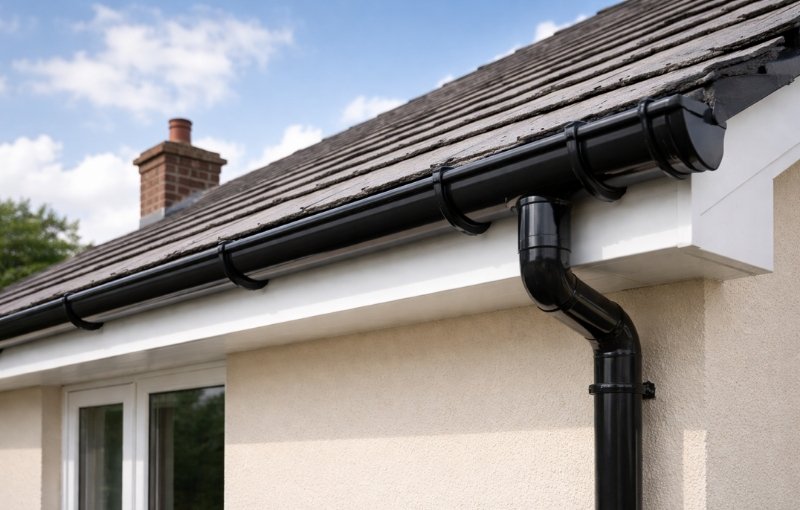
Damaged gutters show themselves through visible cracks, sections pulling away from the fascia board, or persistent leaks at joints. When these problems affect multiple areas, repair work becomes less practical than full replacement. Sagging gutters indicate bracket failure or general wear that's compromised the system's integrity, causing rainwater to pool rather than flow toward the downpipes.
Water overflow during heavy rain tells you the guttering can no longer cope with normal weather conditions. While blockages sometimes cause this, persistent overflow even after cleaning suggests deterioration. Missing sections or brackets leave parts of your roof tiles without proper water management, potentially allowing water to eventually fall directly onto walls and foundations.
Age plays a significant role in replacement timing. Most guttering lasts around 20 years when properly maintained, though this varies by material. Plastic gutters typically need replacing after 10-25 years, while aluminium guttering can last 20-30 years. Metal gutters like copper or zinc can last 50 to over 100 years depending on maintenance and environmental conditions. If your existing guttering approaches these ages and shows any problems, replacement makes more sense than ongoing gutter repairs.