A small tile leak might cost you £150 to £350. Chimney flashing work runs between £800 and £1,200, which factors into calculations of how much to repair a roof leak depending on the damage.
If you need scaffolding access, expect to add another £650 to £1,100 to your bill. Emergency repairs during storms usually come with a £100 to £300 callout fee on top of the actual repair work.
Why Roof Repairs Cost What They Do
The repair cost depends mostly on what's causing the leak and how your roofer can safely reach it.
We've seen people shocked when a £300 repair turns into a £1,400 job because scaffolding was needed. That's why understanding the full picture matters before you call someone out.
Most people searching for roof repair costs right now probably have water dripping through their ceiling. So let's break down exactly what you'll pay based on real UK pricing data, not guesses.
What Affects the Final Price You'll Actually Pay
Several factors determine your total cost.
The type of roof matters because flat roofs need different skills compared to pitched roofs. Your roofing material plays a role too. Slate roofs require specialist knowledge that costs more than standard tile work.
Location makes a difference.
Labour costs in London run 20 to 30 percent higher than the Midlands. Someone in Manchester might pay £340 for work that costs £450 in the South East.
The extent of damage obviously changes everything. Minor leaks from a few broken tiles cost far less than sagging roof repair work that needs structural fixes.
Access is the hidden cost killer.
If your roofer can safely use ladders, you might pay nothing extra. But the moment they need scaffolding for a two-storey house, add £650 to £1,100 to whatever the repair itself costs.
Repair Type
Typical Cost Range
Average Cost
Access Type
Typical Cost Range (per week)
Average Cost
Service Type
Typical Cost Range
Average Cost
Slipped or broken tiles (small leak)
£150 - £350
£25
Ridge tile repair
£250 - £600
£425
Chimney flashing (small repair)
£200 - £500
£350
Chimney flashing (full re-flash)
£800 - £1,200
£1,000
Roof valley repair (local)
£300 - £650
£475
Roof valley replacement (4m run)
£450 - £700
£500
Flat roof patch (1m²)
£250 - £600
£400
Blocked gutter repair
£50 - £150
£90
Roof inspection
£150 - £400
£250
Drone survey
£150 - £300
£200
Ladder access only
£0 - £150
£0
Scaffold tower
£250 - £420
£335
Two storey house scaffolding
£650 - £1,100
£875
Chimney scaffolding
£500 - £820
£660
Out of hours callout fee
£100 - £300
£200
Emergency weatherproofing
£250 - £800
£525
Common Causes and What They Cost to Fix
Slipped or Broken Tiles Creating Small Local Leaks
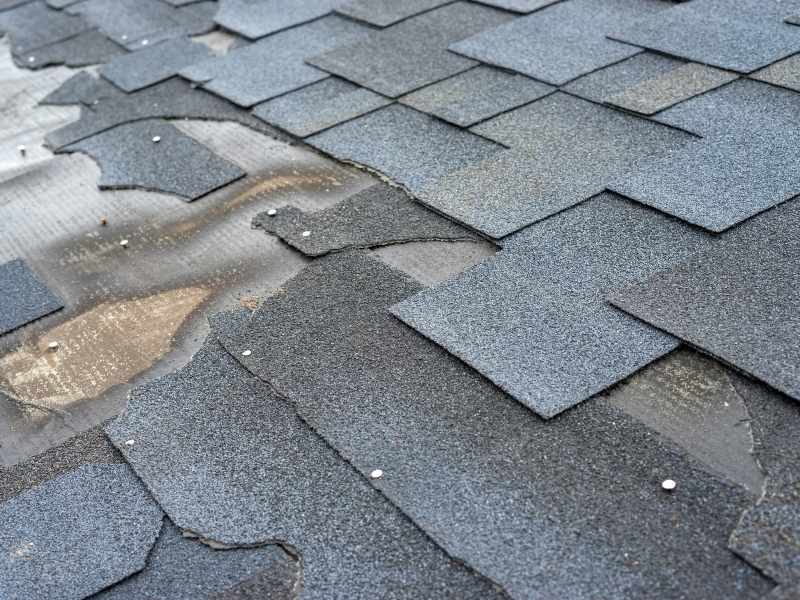
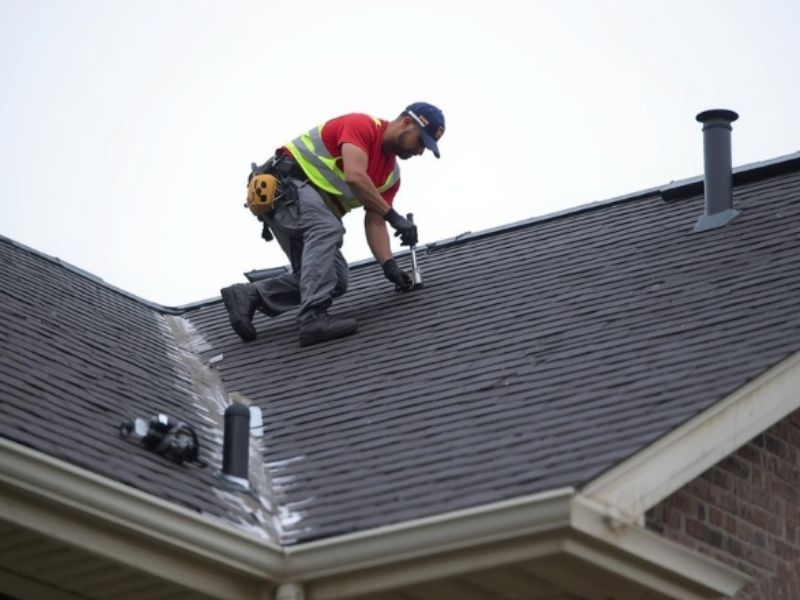
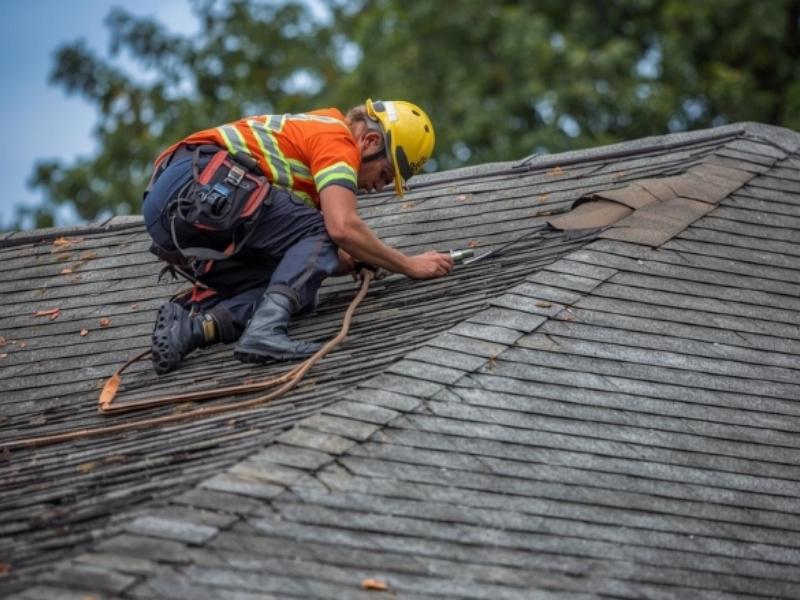
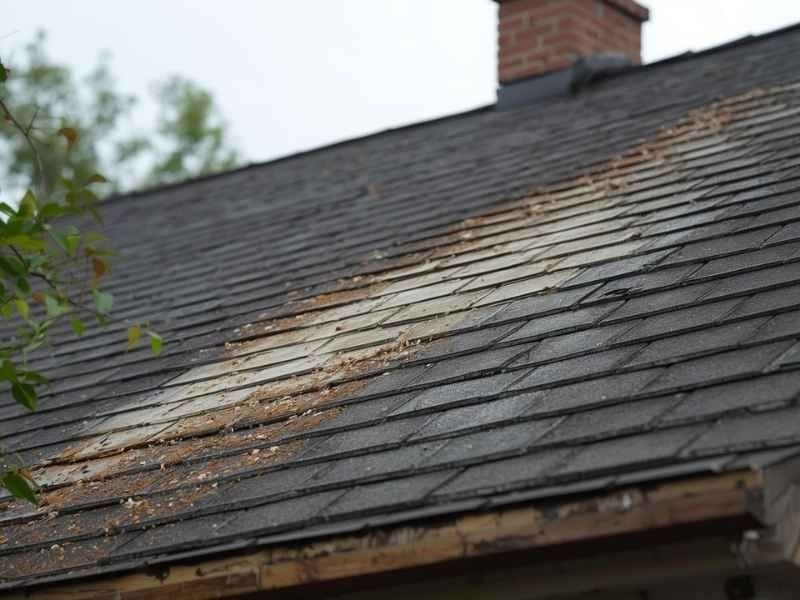
This is one of the most frequent callouts we handle. A few tiles come loose during winter storms, and suddenly you've got water tracking into your loft.
Typical range: £150 to £350 Average cost: £250
This price covers refitting or replacing a handful of tiles, checking the surrounding area, and minor sealing work.
If it's literally one tile and easy ladder access, some jobs land closer to £100 to £200. But most real callouts end up around the £250 mark once time and setup get factored in.
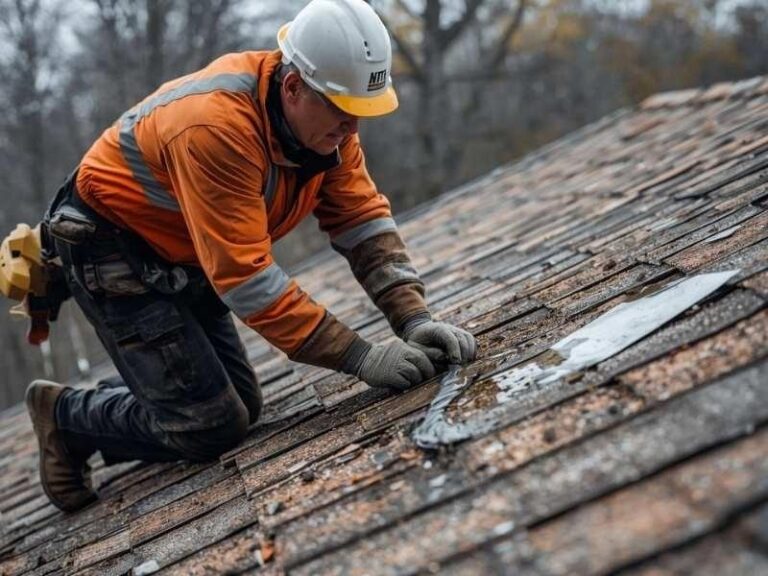
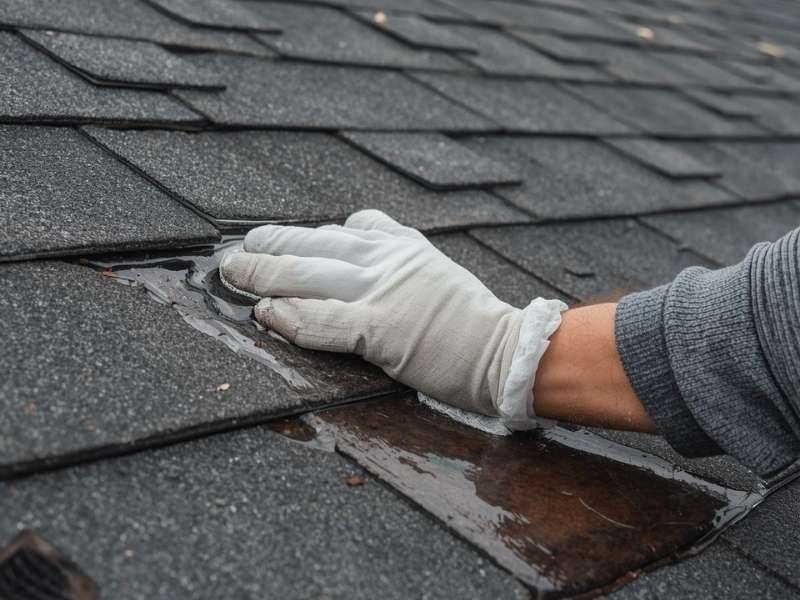
The repair method is straightforward. Your roofer lifts the damaged tiles, checks the felt underneath, replaces what's needed, and makes sure everything sits properly, precisely the process homeowners need to know when learning how to repair broken roof tiles.
Half a day of work typically sorts it.
Ridge Tiles and Verge Problems
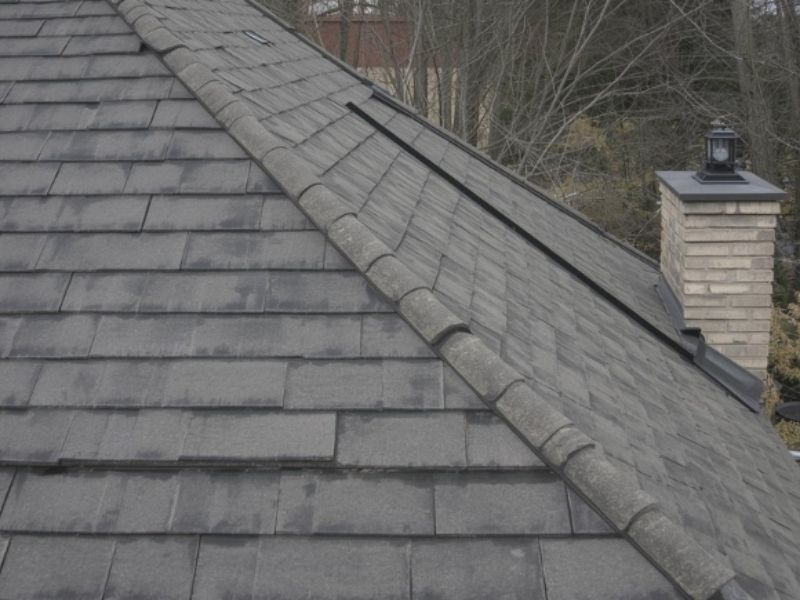
Ridge tiles sit along the peak of your roof. When the cement bedding fails or wind gets under them, you'll see gaps that let rain straight through.
Typical range: £250 to £600 Average cost: £425
This includes rebedding a small ridge section, repointing, and replacing a couple of ridge tiles if needed. The work takes longer than simple tile replacement because getting ridge tiles properly secured matters for long-term performance.
Chimney Flashing Leaks
Here's one of the most common mystery leaks people call us about.
Water appears on the ceiling near a chimney, but the roof tiles look fine. The culprit is usually the lead flashing where the chimney meets the roof.
Small flashing repair or local patch: Typical range: £200 to £500 Average cost: £350
Full chimney re-flashing: Typical range: £800 to £1,200 Average cost: £1,000
The full re-flashing job costs more but lasts decades if done properly.
If scaffolding is needed around the chimney, add another £500 to £820 to these figures. That's when a £1,000 flashing job becomes a £1,660 total cost.
We usually recommend the full re-flash if the existing lead is old or poorly fitted. Patch repairs on failing flashing just push the problem down the road.
Roof Valley Issues
Valleys are where two roof slopes meet. They handle lots of water flow, and when they fail, leaks can be significant.
Local valley repair: Typical range: £300 to £650 Average cost: £475
Replacing a typical 4-metre valley run: Typical range: £450 to £700 Average cost: £500
Valleys look like a small area, but they're awkward to work on safely and take more time than people expect.
The roof valley needs proper sealing because water concentrates there during heavy rain.
Flat Roof Leak Repairs
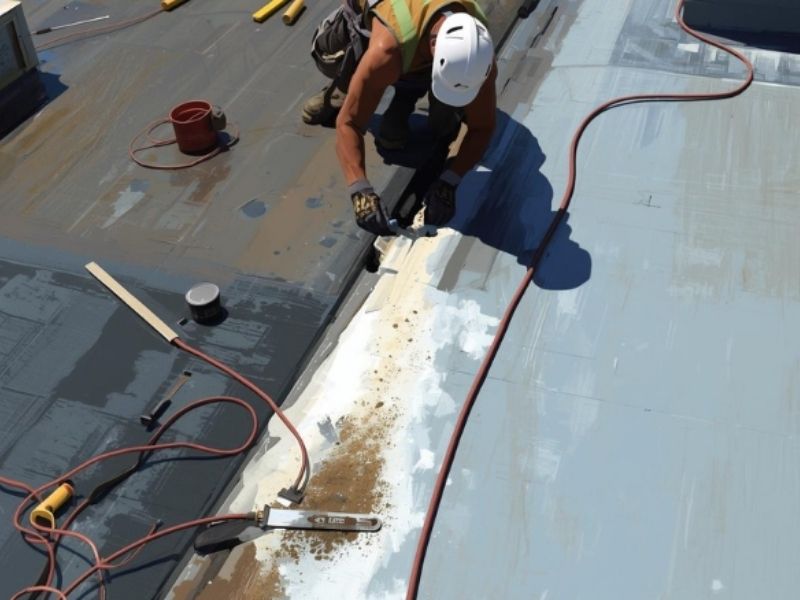
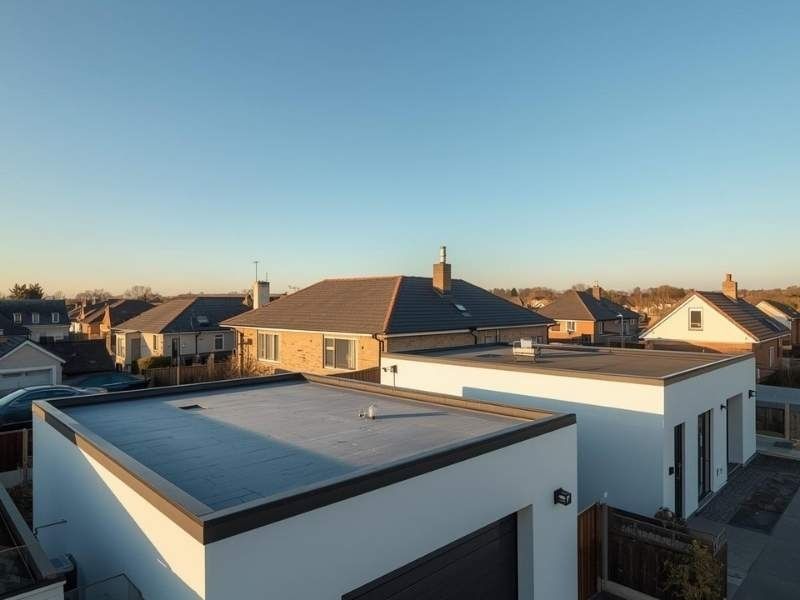
Modern flat roofs use materials like fibreglass, felt, or single-ply membranes. When they develop leaks, knowing how to repair flat roof leaks correctly is essential, as the approach depends on whether the deck underneath is sound.
Small patch repair on flat roofs: Typical range: £250 to £600 Average cost: £400
If the patch area is around 1 square metre and the deck is solid, most repairs cluster around £350 to £450.
But if the deck has softened due to trapped water, costs jump to £800 to £1,500 because timber replacement becomes necessary.
Flat roof repair work needs proper assessment. We've seen too many cheap patch jobs that fail within months because the underlying problem wasn't addressed.
The Cost Elements Nobody Mentions Until the Quote Arrives
Access and Safety Equipment Charges
This is where most people get surprised.
The actual leak repair might only cost £300, but safe access doubles or triples the final bill.
If your roofer can work safely from ladders: Additional cost: £0 to £150 Typical: £0
If a scaffold tower is needed: Typical range: £250 to £420 per week Average: £335
If scaffolding is needed on a two-storey house: Typical range: £650 to £1,100 per week Average: £875
If high-level chimney scaffolding is needed: Typical range: £500 to £820 per week Average: £660
Here's the reality.
If your leak is fixable for £250 to £500, but needs scaffolding, the real-world total often becomes £1,000 to £1,600. That's not anyone trying to rip you off. That's just what safe working at height costs.
Labour Costs Across Different Jobs
Most roofing contractors charge between £35 and £45 per hour, or £280 to £360 per day.
But that's for the tradesperson's time. It doesn't include materials, waste disposal, or safety equipment.
Labour costs make up the majority of your bill on most roof repairs. A simple tile replacement might need 2 to 3 hours. A full chimney re-flash could take a full day once setup and finishing are included.
Material Costs and Supply Charges
Materials usually account for 20 to 30 percent of the total cost.
A few replacement tiles might only cost £15 to £40. Lead flashing for a chimney costs more, typically £80 to £150 in materials alone.
Glass reinforced polyester for flat roof repairs runs around £90 to £130 per square metre for materials. Add labour and you see why even small flat roof repairs quickly reach £400.
Supply costs sometimes include a delivery charge if your roofer needs to order specific tiles or materials. Most incorporate this into their quote, but worth checking.
Waste Disposal and Additional Costs
Waste disposal fees typically add £50 to £150 to a job, depending on how much material gets removed.
Older roofs may contain asbestos, which requires specialist disposal and can increase costs by £500 to £1,500.
Additional costs can include building regulations approval for extensive repairs or structural work. Not every repair needs this, but anything affecting the roof structure or covering more than 25 percent of the roof area might.
Emergency Repairs and Callout Fees
When you've got water pouring through your ceiling during a storm, you need someone fast. Emergency roof repairs come with premium pricing.
Out-of-hours callout fee: Typical range: £100 to £300 Average: £200
Emergency attendance plus temporary weatherproofing: Typical range: £250 to £800 Average: £525
The emergency crew will usually tarp the area, seal what they can, and make your home safe. Then the proper repair gets booked once conditions allow.
Urgent roof repairs during normal working hours typically avoid the callout premium but might still cost more if you need someone same day.
Real-World Examples of What People Actually Pay
These are the kinds of totals that help you know what to expect when you call for quotes.
Small Tile Leak on a Two-Storey Semi With Ladder Access
Most likely total: £200 to £450 Average: £325
This assumes a straightforward repair with a few broken tiles, no complications, and safe ladder access. Work takes half a day and you're sorted.
Chimney Flashing Leak Needing Chimney Scaffolding
Full repair total: £1,300 to £2,200 Average: £1,660
That breaks down as roughly £1,000 for the re-flash work itself, plus £660 for the chimney scaffolding.
This is where people get sticker shock, but both costs are legitimate for safe, proper work.
Flat Roof Leak on an Extension With a 1 Square Metre Patch
Most likely total: £250 to £600 Average: £400
Assumes the deck is sound and just needs the membrane repairing. If the deck is compromised, expect this to climb toward £1,000 or more.
Valley Leak Repair Needing Standard Scaffolding
Most likely total: £950 to £1,750 Average: £1,350
That’s approximately £475 for the valley repair itself, which typically includes lead valley flashing repairs, plus £875 for scaffold access to one elevation of a typical house. The scaffolding hire runs for a week, which covers setup, work time, and removal.
How Location Changes What You'll Pay
Regional pricing follows a pattern across the UK. Instead of vague statements about differences, here's what to actually expect.
London jobs typically cost 20 to 30 percent more than the national average. A £400 repair elsewhere might run £480 to £520 in London.
South East England adds 10 to 20 percent to typical costs. The South West and bigger cities add 5 to 15 percent.
The Midlands tend to track close to national averages. Use the base figures we've given as your starting point here.
North West, North East, and Yorkshire often come in 5 to 15 percent below average. Wales follows a similar pattern.
Scotland varies but generally runs 0 to 10 percent below the national average, though remote areas can cost more due to travel.
If a repair averages £400 nationally, a London quote might commonly land around £480 to £520, while parts of the North could come in around £340 to £380.
When Finding the Leak Costs Money Too
Sometimes the leak source isn't obvious. Water can track along timbers before dripping through, making the wet patch far from the actual entry point.
Roof inspection costs: Typical range: £150 to £400 Average: £250
Drone roof survey: Typical range: £150 to £300 Average: £200
Paying £200 to £250 for proper inspection can stop you paying for the wrong repair.
We've seen people fix areas that weren't even leaking because they guessed wrong about where water was getting in.
A professional roofer with experience can often spot the problem during a visual inspection. But complex leaks on larger properties sometimes need more detailed investigation.
Different Roof Types and Their Repair Costs
Pitched Roofs With Tiles or Slate
Pitched roofs are the traditional triangle shape you see on most UK homes. They shed water naturally, which makes them less prone to leaks than flat roofs in general.
Tile replacement on pitched roofs averages £200 to £300 per square metre when you need several tiles changed. Individual tile fixes cost far less, usually that £150 to £350 range we mentioned earlier.
Slate roof repairs cost more because the material is pricier and needs specialist skills.
Average roof repair costs for slate work typically run £200 to £300 per square metre. Cracked tiles on a slate roof can't just be swapped like concrete tiles.
The whole area often needs careful work to maintain the roof's integrity.
Flat Roofs on Extensions and Garages
Flat roofs are more challenging because water doesn't run off as easily. Poor maintenance accelerates problems on flat roofs.
Repairing a bitumen felt flat roof typically costs £100 to £140 per square metre. Fibreglass roofing repair costs range from £90 to £130 per square metre.
Modern flat roofs using single-ply membranes or glass reinforced polyester are more durable but still need proper installation.
Small leaks on flat roofs often start at edges or around penetrations like vents. A local patch costs that £250 to £600 we talked about earlier.
But if water has been sitting on the roof due to poor drainage, you might need more extensive repairs.
Commercial Buildings and Larger Structures
Commercial buildings often have larger flat roof areas, which is why commercial roofing repairs are often calculated differently from residential projects. The repair cost scales with size, but the price per square metre often drops slightly on bigger jobs
That said, commercial properties might need more extensive repairs due to foot traffic or equipment on the roof.
Roofing contractors for commercial work usually provide detailed quotes after inspection because variables are harder to estimate.
What Your Home Insurance Might Actually Cover
Home insurance cover typically pays for roof leaks caused by sudden events like storm damage or fallen trees.
But there's a catch most people don't realise until they claim.
Insurance usually won't cover leaks from poor maintenance, general wear and tear, or gradual deterioration. If your roof tiles have been slowly failing for years and finally let water through, that's probably not covered.
Many insurers will handle storm damage to your roof, but you'll need to prove it was storm related. They'll often send someone to assess whether the damage could have been prevented with proper roof maintenance.
Always check your specific policy.
Some basic policies only cover the damage inside your home from a leak, not the roof repair costs themselves. Others have age limits where older roofs aren't covered at all.
If you're unsure, call your insurer before authorising repairs. Getting denied after paying for work leaves you stuck with the bill.
Should You Repair or Replace Your Whole Roof
Sometimes patching a leaking roof just delays the inevitable.
Here's when roof replacement makes more sense than ongoing roof repairs needed every few months.
If you notice several leaks in different areas, your roof covering might be failing overall. One or two isolated leaks make sense to repair, but multiple problem spots suggest the whole roof may need a roof repair or replace decision.
Multiple problem spots suggest the whole roof is near the end of its life.
A roof nearing 20 to 25 years old showing visible wear might be better replaced than repeatedly patched. Modern roofing materials are more durable and could save money in the long run.
If you've had multiple repairs in a short period, add up those costs. Compare them to what a complete roof replacement would run.
Sometimes continuing to repair becomes more expensive than just replacing.
Signs like visible sagging, extensive damage to the internal structure, or significant structural issues point toward replacement rather than repair.
A sagging roof indicates problems beyond just the covering. The roof type and existing roof condition both matter here.
Full roof replacement obviously costs more upfront. Expect £5,000 to £15,000 or higher depending on size and materials.
But if your alternative is spending £1,500 to £2,000 annually on repairs, replacement pays off within a few years.
How to Avoid Getting Overcharged
Get at least three detailed quotes from qualified roofing contractors.
This isn't just about finding the cheapest price. It's about seeing what different professionals think is needed.
When you get quotes, ask them to break down labour costs, material costs, and any scaffolding costs separately. A single lump sum makes it hard to know what you're paying for.
Check that quotes include waste disposal, safety equipment, and any permits needed. Hidden costs that appear later are frustrating and often avoidable if you ask upfront.
Read reviews on platforms like Trustpilot and Checkatrade before hiring anyone. Recent feedback from actual customers tells you more than slick marketing.
Avoid roofing contractors who cold call you after storms. Legitimate businesses don't need to door knock. They have enough work from recommendations.
Meet potential roofers in person if possible.
You can gauge professionalism and communication skills better face to face. If they're evasive about details or pushy about signing immediately, walk away.
A good contractor provides a free consultation and quote without pressuring you. They'll explain what they found, what they recommend, and why.
They'll also be honest if a repair might only be temporary.
Choosing a local roofing company makes follow-up easier. If something goes wrong or you need future work, they're accessible.
National chains can be fine, but local firms often care more about their reputation in the area.
Ask for references from previous customers when you're considering someone for extensive repairs or costly work. Any decent contractor will happily provide them.
Early Signs That You Need Roof Repairs
Catching problems early usually means lower repair costs. Here's what to watch for.
A leak is often the first sign, obviously. But water stains on ceilings or walls can appear before you see actual dripping.
Don't wait until water is pouring through.
Missing roof tiles or loose tiles are visible from the ground if you know what to look for. After storms, walk around your property and look up.
Even a few tiles out of place can let water in.
Damaged tiles might not be missing entirely but could be cracked or shifted. Broken tiles let water underneath where it can soak into the roof structure.
Check your gutters.
Blocked or broken gutters can overflow and cause damage at the roof edge. This leads to leaks that look like roof problems but are actually rainwater management failures.
Look in your loft occasionally if you can access it safely. Early signs like damp patches on timbers, daylight showing through gaps, or water stains on the felt are all worth investigating.
Deal with these before they become major issues.
If you see sagging anywhere on your roofline, call someone immediately. That suggests structural problems that could get dangerous if ignored.
Why Minor Leaks Become Major Problems
When leaks go untreated, water soaks into timbers and insulation. This creates damp conditions where mould growth starts.
You end up with health issues and additional repair expenses beyond just the roof.
Water tracking through your roof structure can damage plasterboard, stain decorations, and ruin belongings.
The cost to repair internal damage often exceeds what fixing the leak initially would have cost.
Dampness also attracts pests and can cause electrical issues if water reaches wiring. We've seen minor leaks turn into £5,000-plus problems because people waited too long.
The roof damage itself gets worse with time.
A small gap letting in a bit of water eventually becomes a larger opening as frost expands cracks and wind lifts more tiles.
The cheapest repair is the one you do as soon as you spot the problem. Delaying to save money right now usually costs more overall.
Simple Ways to Reduce Future Repair Costs
Regular roof maintenance catches small issues before they need expensive fixes. Have someone check your roof every couple of years, especially after major storms.
Keep gutters clear.
This costs almost nothing if you do it yourself, or £50 to £150 if you pay someone. Blocked gutters are one of the most common preventable causes of roof edge damage.
Trim trees near your property. Falling branches damage tiles and debris from trees blocks gutters. A bit of tree maintenance now prevents costly repairs later.
If you spot a loose tile or minor damage, get it fixed quickly. That £150 to £250 repair now stops it becoming a £1,000 problem in a year.
Check your loft for signs of issues.
You don't need specialist knowledge to spot water stains or daylight. Catching problems at this stage means repairs stay small.
For flat roofs, make sure drainage is working properly. Water pooling on a flat roof accelerates wear.
Keeping drainage clear is basic roof maintenance that extends the covering's life.
Government Schemes and Help With Costs
Some government schemes can help with roofing work costs if you qualify. These change over time, so check current availability.
Energy efficiency grants sometimes cover roof insulation work. If you need repairs anyway, combining them with insulation work might unlock some funding.
Local councils occasionally have schemes for older properties or conservation areas. These rarely cover basic repairs but might help if your property has specific heritage requirements.
For elderly or disabled homeowners, some local authorities offer maintenance grants.
The criteria are strict and budgets limited. Worth investigating if you think you might qualify.
None of these schemes typically cover standard roof repairs needed due to wear and tear. They're aimed at specific situations like improving energy efficiency or helping vulnerable people maintain their homes.
What Questions to Ask Before Work Starts
Before anyone starts work, confirm exactly what's included in the price. Does it cover all materials, scaffolding, waste disposal, and cleanup?
Get this in writing.
Ask how long the repair should take. This helps you know if things are running over schedule and whether you might face additional costs.
Find out what guarantee or warranty comes with the work. Reputable contractors typically offer at least a year's warranty on repairs.
Some offer longer for major work.
Check whether they need any permissions from your local council. Most small repairs don't, but it's worth confirming to avoid issues later.
Ask what happens if they find additional problems once work starts. Do you get contacted before extra work is done, or will they just proceed and add it to the bill?
Understand payment terms.
Most want a deposit to secure materials and book the work, then the balance on completion. Be wary of anyone demanding full payment upfront.
Final Thoughts on Roof Leak Repair Costs
Understanding what drives the repair cost helps you budget properly and avoid surprises. The leak itself might only cost £200 to £500 to fix, but access and safety can double that easily.
Don't put off repairs to save money in the short term.
Small leaks become expensive problems faster than you'd expect. The cost to repair now is almost always less than the cost later plus the damage repair.
Get multiple quotes, choose based on quality and reputation rather than just price, and make sure everything is clear before work starts.
Most roof repairs are straightforward when done properly by experienced professionals.
Your roof protects everything else in your home. Treating repairs as an investment rather than an expense makes sense when you consider what's at stake.
Proper repairs done now can last decades, while cheap shortcuts just create more repair costs down the line.
We've seen every possible scenario with roof leaks over the years. The people who fare best are those who act quickly, get proper professional advice, and choose quality work over the cheapest quote.
That approach saves money overall and keeps homes dry for years to come.
We use cookies on our website to give you the most relevant experience by remembering your preferences and repeat visits. By clicking “Accept All”, you consent to the use of ALL the cookies. However, you may visit "Cookie Settings" to provide a controlled consent.
This website uses cookies to improve your experience while you navigate through the website. Out of these, the cookies that are categorized as necessary are stored on your browser as they are essential for the working of basic functionalities of the website. We also use third-party cookies that help us analyze and understand how you use this website. These cookies will be stored in your browser only with your consent. You also have the option to opt-out of these cookies. But opting out of some of these cookies may affect your browsing experience.
Necessary cookies are absolutely essential for the website to function properly. These cookies ensure basic functionalities and security features of the website, anonymously.
Cookie
Duration
Description
cookielawinfo-checkbox-analytics
11 months
This cookie is set by GDPR Cookie Consent plugin. The cookie is used to store the user consent for the cookies in the category "Analytics".
cookielawinfo-checkbox-functional
11 months
The cookie is set by GDPR cookie consent to record the user consent for the cookies in the category "Functional".
cookielawinfo-checkbox-necessary
11 months
This cookie is set by GDPR Cookie Consent plugin. The cookies is used to store the user consent for the cookies in the category "Necessary".
cookielawinfo-checkbox-others
11 months
This cookie is set by GDPR Cookie Consent plugin. The cookie is used to store the user consent for the cookies in the category "Other.
cookielawinfo-checkbox-performance
11 months
This cookie is set by GDPR Cookie Consent plugin. The cookie is used to store the user consent for the cookies in the category "Performance".
viewed_cookie_policy
11 months
The cookie is set by the GDPR Cookie Consent plugin and is used to store whether or not user has consented to the use of cookies. It does not store any personal data.
Functional cookies help to perform certain functionalities like sharing the content of the website on social media platforms, collect feedbacks, and other third-party features.
Performance cookies are used to understand and analyze the key performance indexes of the website which helps in delivering a better user experience for the visitors.
Analytical cookies are used to understand how visitors interact with the website. These cookies help provide information on metrics the number of visitors, bounce rate, traffic source, etc.
Advertisement cookies are used to provide visitors with relevant ads and marketing campaigns. These cookies track visitors across websites and collect information to provide customized ads.