When Lead Valleys Crack, Water Damage Follows

Lead Flashing Repairs Castleside

Fully Insured Lead Valley Repair Services in Castleside

High-Standard Lead Flashing Replacement for Reliable Weatherproofing

TrustATrader Confederation of Roofing Contractors VELUX Checkatrade

REQUEST A FREE QUOTE

Lead Flashing Repairs Castleside

We fix damaged lead and repair lead valley problems in Castleside, stopping water leaks before they cause expensive water damage to your property. Checkaroof has completed thousands of lead flashing repair jobs where lead failure was allowing water into homes, and we know exactly how to restore your leadwork so it lasts for years to come.

Lead has been the go-to material for Castleside roofing for more than 150 years because it works. When installed properly, lead flashing can last 50 years or more, often outliving the roof covering itself. The problem is that even the best lead eventually needs professional attention, especially around high-stress areas like roof valley sections, chimney areas and roof junctions.

Free No-Obligation Quote

Ready to Protect Your Property?

Whether you need urgent repairs, routine maintenance or a complete new roof, our team is ready to help. Get your free site assessment today.

Lead Flashing Repairs Castleside

What Causes Lead Flashing and Lead Valley Damage on Your Existing Roof

Lead naturally expands and contracts with temperature changes. Over time, this movement causes stress at joints, mortar line connections and fixing points. When lead starts to crack or split, water finds its way through these gaps.

Roof valley flashing handles massive volumes of rainwater, making valley areas one of the highest-stress points on any pitched roof. A single valley channels water from two roof slopes, and when that flow gets interrupted by a crack or split in the lead valley, you get leak problems. Weather exposure, blocked gutters and damaged roof tiles all speed up deterioration and can lead to costly repairs if left unchecked.

The most common points of failure we see are at joins, around chimney stacks, and where lead meets different roof material types. Movement in the roof structure combined with decades of thermal expansion creates tiny crack formations that grow into bigger problems. Heavy rain and snow accelerate this process, while excessive UV exposure causes lead to stiffen, crack and eventually tear over time.

Clear Signs That Tell You Lead Valley Repairs Are Needed Right Now

Water leaks showing as stains on your ceiling are the obvious signs, but we often find lead damage before it gets that far. Visible crack lines in the lead valley running down your roof mean water is already getting through during heavy rain. Lifted or displaced flashing around your chimney creates gaps that let water behind the lead surface.

You might see dampness in your loft space near roof valley junctions or notice that mortar around your chimney has crumbled away. Sometimes the lead itself looks fine from the ground, but up close our professional roofer team in Castleside finds it's become brittle, with hairline crack patterns ready to split wide open in the next storm. Dark water marks on external walls below flashing points tell us water is running where it shouldn't, allowing water to penetrate areas that should stay dry.

These signs need professional attention before minor issues turn into costly repairs involving damaged timber, ruined insulation or ceiling replacements. Damaged flashing is one of the most common causes of roof leaks on traditional properties, and catching problems early makes a significant difference to your final cost.

Clear Signs That Tell You Lead Valley Repairs Are Needed Right Now

GET YOUR FREE

NO OBLIGATION ROOFING SURVEY NOW

We're available for queries and quotes 7 days a week, get in touch.
How We Repair Lead Valley Problems to Stop Leaks and Extend Their Life

How We Repair Lead Valley Problems to Stop Leaks and Extend Their Life

When our roofer assesses your lead valley, we look at the extent of damage to determine whether repair or replacement gives you the best solution. Many lead valley installations in Castleside we inspect have been in place for decades and just need targeted lead flashing repair work to give you another 20 years of protection.

For small crack issues and split sections, we use professional lead welding to create a permanent seal that's as strong as the original material. This method works brilliantly for repairing split areas in valley sections where the rest of the sheet is still in good condition. We clean the area thoroughly with a wire brush, prepare the surface properly, and apply the weld so it bonds completely with the existing lead.

Lead patch repairs work well when damage is localized to one section. We cut out the damaged area, install new lead that matches the existing grade, and complete the sealing at all joints to prevent future water ingress and further damage. For minor crack patterns that haven't spread too far, advanced sealing techniques using professional-grade sealant can restore the waterproof barrier without needing to replace the entire valley section.

The age of your lead, overall roof condition, and whether you have multiple points of deterioration all influence whether repair or complete replacement makes more financial sense. When we find several weak spots or severe corrosion affecting large sections, replacing the lead valley often costs less than repeated repairs over the next few years. This isn't a quick fix approach but a long lasting solution.

Ready to Discuss Your Roofing Project?

0800 086 2679

Professional Lead Flashing Repair Methods That Deliver Long Lasting Results

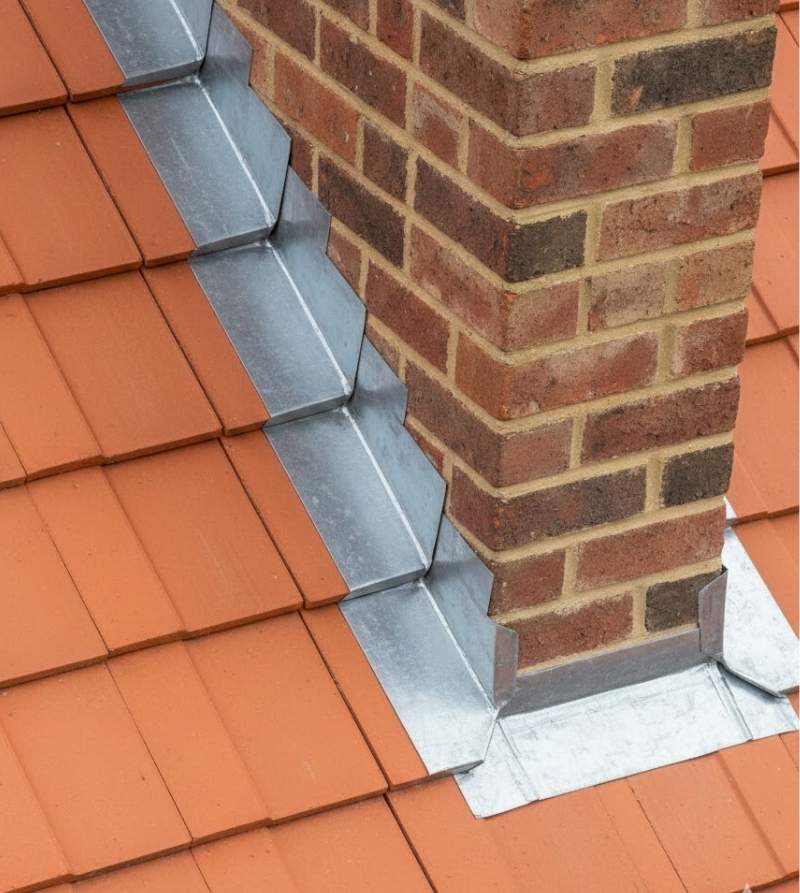
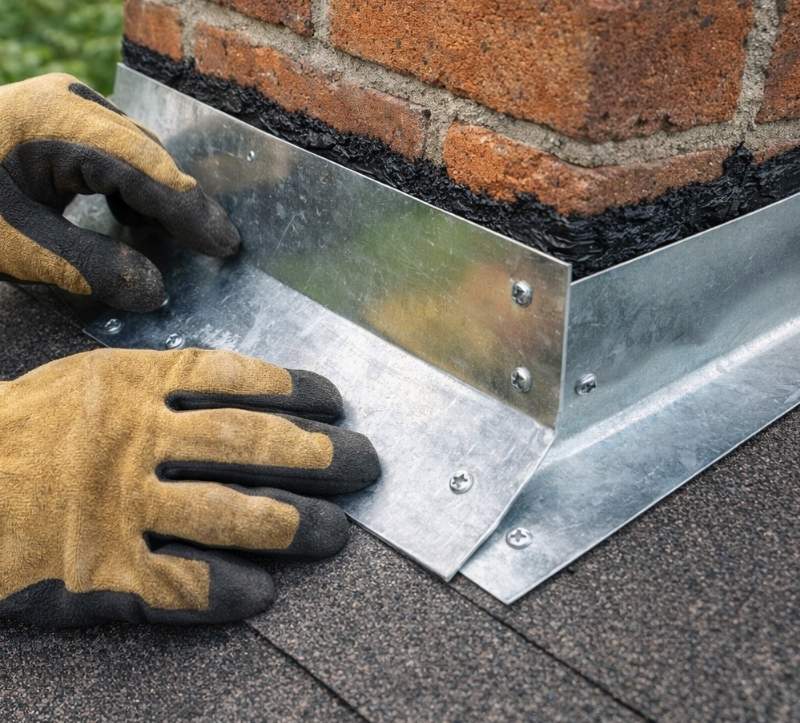
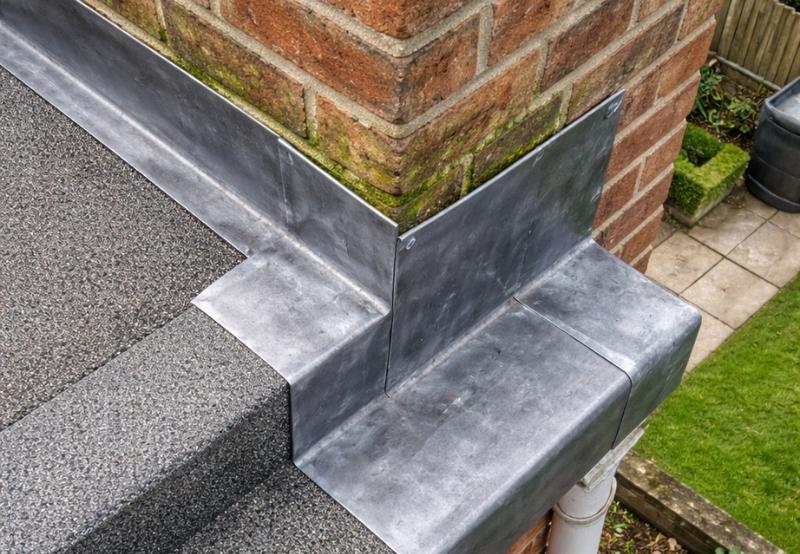
Chimney flashing takes more punishment than almost any other lead on your roof structure. Wind drives rain directly at these vertical joints, and the constant heating and cooling of the chimney stack creates movement that stresses the lead material. We fix chimney problems by removing damaged sections, installing new high-quality lead where needed, and ensuring proper overlap at all point connections.

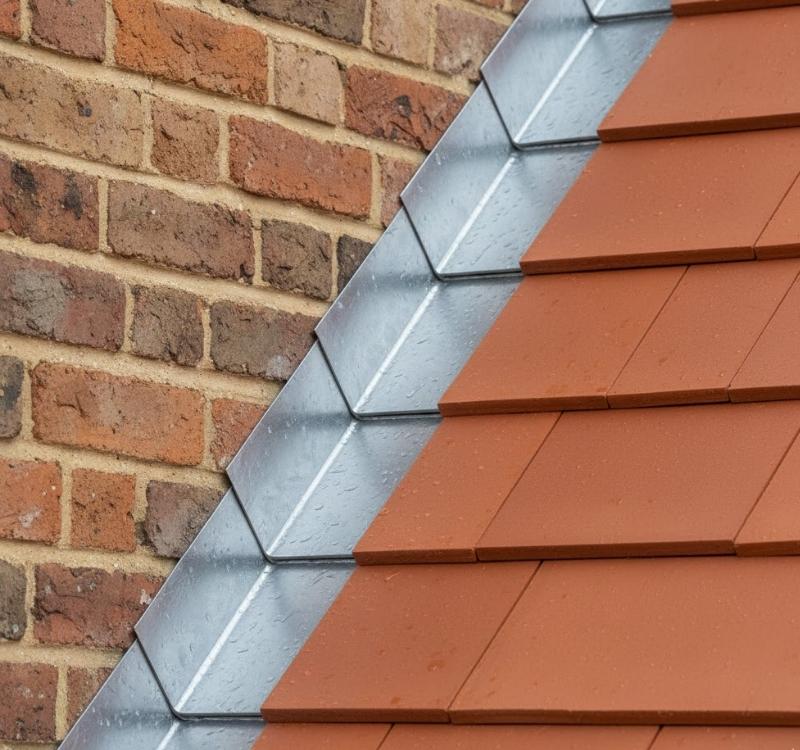
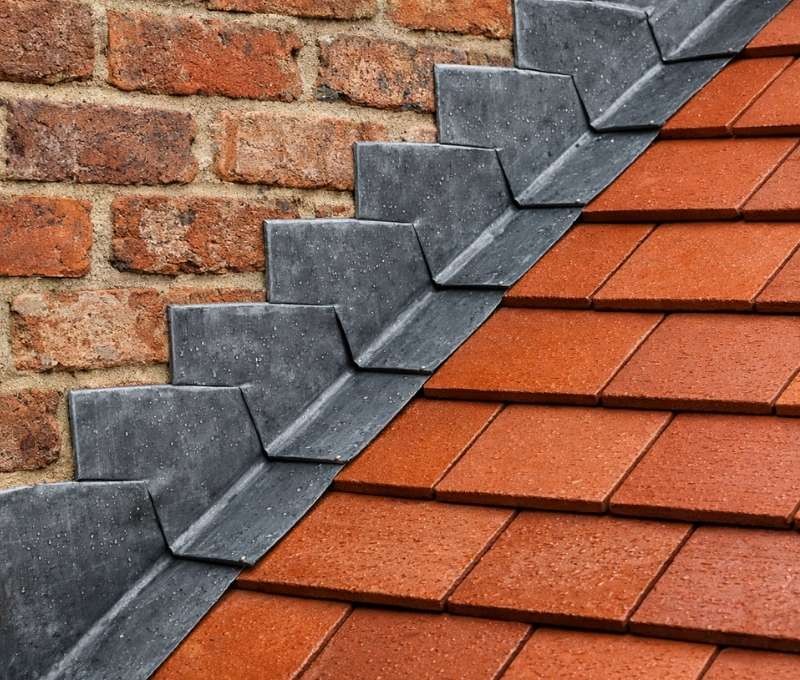
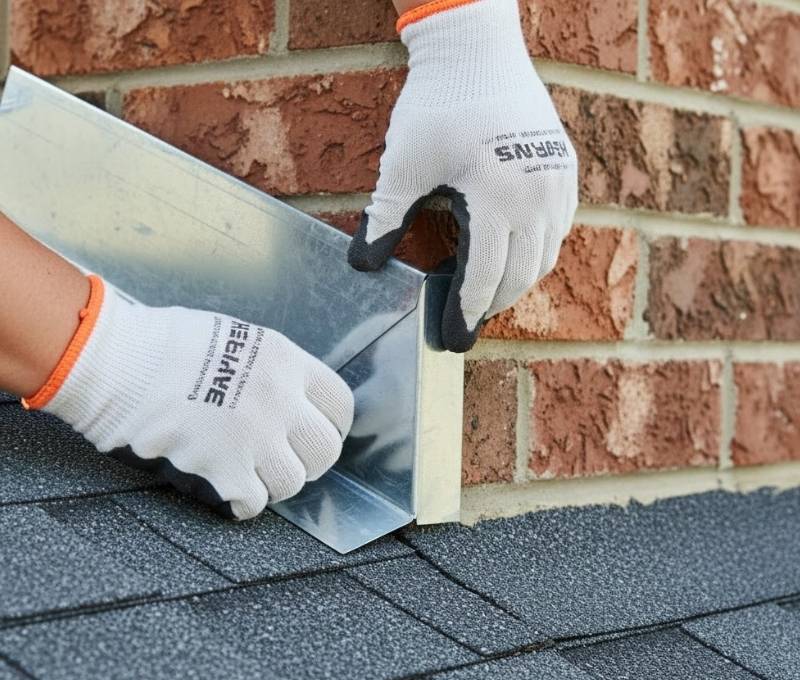
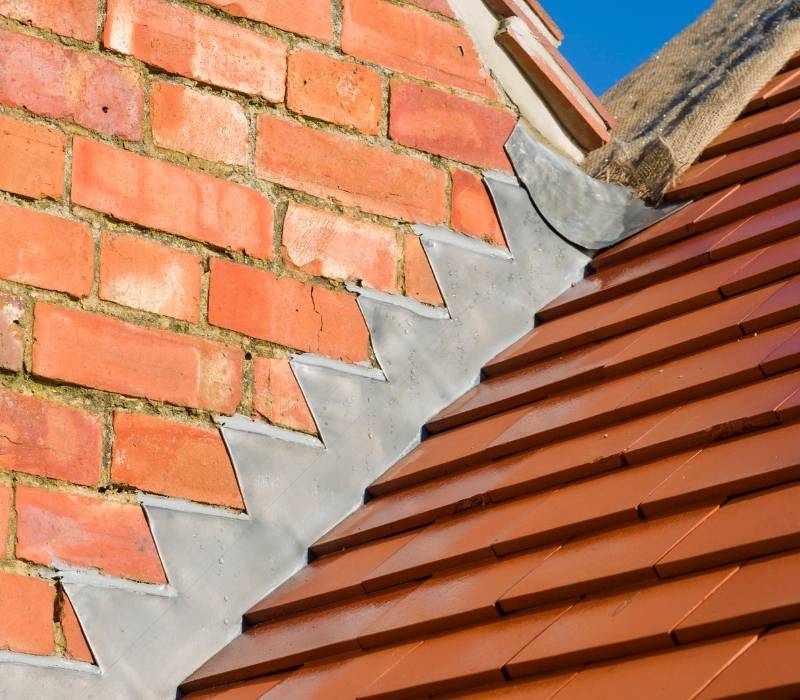
Step flashing along roof abutments needs careful professional attention to detail. Each piece must sit correctly under roof tiles and fold up the wall to form a continuous barrier. When we find lifted or cracked step flashing, our roofer team often needs to lift several tiles to assess the full extent of damage and any underlying issues. We replace or fix each affected piece, making sure the new lead is properly dressed into place and secured without putting stress on fixing points.

Sealing compound plays a crucial role in flashing repairs, including guidance on how to repair roof flashing, but only when used correctly. We apply high-grade sealant at joints and potential leak points after ensuring surfaces are clean and dry. Poor quality material or incorrect installation turns into a quick fix that fails within months, which is why we only use materials designed specifically for leadwork.

For areas where existing roof structure has moved, we sometimes need to install additional support before replacing the flashing. This prevents the same failure happening again because we've addressed the underlying issues causing the problem in the first place and other issues that might affect the job.

Professional Lead Flashing Repair Methods That Deliver Long Lasting Results

Call Checkaroof Today

for Your Free Roofing Quote

How Much Does Lead Valley and Lead Flashing Repair Cost in Castleside

How Much Does Lead Valley and Lead Flashing Repair Cost in Castleside?

The cost to replace a lead valley on a roof varies depending on several factors we assess during our site visit. Valley size, roof accessibility and the condition of surrounding areas all affect labour costs and the materials needed for the job. You can expect average costs ranging from £800 to £1500 for complete valley replacement work in Castleside.

Lead material typically costs £10 to £15 per metre for the sheet alone, but labour costs make up the larger portion of your final cost. Hard to reach areas require scaffolding or safety equipment that adds to additional costs, while straightforward repairs on accessible locations cost considerably less. A professional roofer needs proper access and safety measures to do the job right, which is why location on your property influences what you pay.

Additional costs sometimes include disposing of old materials, repairing damaged timber we discover when lifting the lead, or replacing damaged roof tiles that break during the repair work. We give you a clear idea of likely costs after inspecting your roof, so you get a fair price with no surprises when we complete the job. Most lead repair in Castleside projects take a few days depending on roof size and extent of damage.

For straightforward lead flashing repair work, you might pay £200 to £400 depending on how much lead needs replacing and whether we need scaffolding. Full valley replacement on a typical semi-detached house usually falls in the £800 to £1200 range, while complex jobs on larger properties with multiple valley sections or difficult access can reach £1500 or more. Costs vary depending on your specific situation and the complexity involved.

Quality materials make a difference to how long your repairs last. We use Code 4 or Code 5 lead depending on the application, which costs more than thinner grades but gives you decades of reliable protection. Putting money into proper materials and professional installation costs less than cheap repairs that fail within a few years. You pay once for work covered by quality guarantees rather than paying repeatedly for quick fix solutions.

GET YOUR FREE

NO OBLIGATION ROOFING SURVEY NOW

We're available for queries and quotes 7 days a week, get in touch.

When Repairing Your Lead Makes More Financial Sense Than Replacing It

If your lead is relatively recent and damage is limited to one or two points, repair gives you the most cost-effective solution. We often find valley installations that are 30 or 40 years old with just a single split or crack line. Fixing that specific problem extends the life of your existing lead by another 20 years or more, depending on overall condition and exposure to weather.

Small areas of lifting around chimney flashing respond well to targeted repairs. We secure the loose section, seal any gaps, and ensure water can't get behind the lead surface. This type of work typically costs a fraction of complete replacement and solves your immediate problem without unnecessary expense or putting you through a larger job than needed.

When most of your leadwork is sound and you're dealing with minor issues caused by a specific incident like storm damage or a falling branch, repair is usually the best solution. Professional attention to these problems prevents them spreading into bigger failures that eventually need full replacement and turn into costly repairs down the line.

The key factor is catching problems early. Lead that's starting to show signs of wear and tear but hasn't failed completely responds much better to repair than lead that's been leaking for months and has caused water damage to underlying timbers. This is crucial for maintaining your property value and preventing future problems.

When Repairing Your Lead Makes More Financial Sense Than Replacing It

Call Checkaroof Today

for Your Free Roofing Quote

Why Complete Lead Valley Replacement Sometimes Offers Better Value

Why Complete Lead Valley Replacement Sometimes Offers Better Value

Multiple points of deterioration across your lead valley often make full replacement more cost-effective than several separate repair jobs. When we find crack formations in three or four places, or the lead has become brittle and weakened throughout, replacing the entire section costs about the same as patching multiple spots but gives you much longer-lasting results.

Severe corrosion affecting large areas of your valley means the material has reached the end of its useful life. In many older Castleside properties, the leadwork has been in place for decades and simply needs replacing rather than continuous patching. A new lead valley installation gives you 50 years or more of protection when done properly by an experienced roofer.

We recommend replacement when the cost of repairs would exceed 60 to 70 percent of installing new material. This calculation includes not just the immediate repair work but the likelihood of needing more repairs within a few years. One comprehensive replacement often works out at a fair price compared to three or four repair callouts over the next decade, and homeowners appreciate this honest assessment.

Sometimes we uncover other issues during inspection that need addressing before any repair work makes sense. If roof timbers have rotted from long-term leaks, or the valley formation itself needs rebuilding, then installing a new valley as part of that larger repair project makes perfect sense and essential work for protecting your property.

Ready to Discuss Your Roofing Project?

0800 086 2679

The Materials We Use and Why They Matter for Your Lead Valley Work

New high-quality lead is the traditional and most durable material for valley and flashing work. We install Code 4 lead for most vertical flashing applications and Code 5 for valley sections and other high-stress areas. These grades have the thickness and flexibility to handle decades of thermal movement without failure, which is crucial for long lasting performance.

British Standards govern lead installation, and we follow these specifications exactly. Proper overlap at joints, correct fixing methods, and allowing for thermal expansion all contribute to repairs that last. Shortcuts in any of these areas lead to premature failure, which is why we never compromise on installation quality or material standards.

Sealant quality varies enormously between products. Professional-grade options designed for leadwork remain flexible for years and maintain their waterproof seal through temperature extremes. We avoid generic sealants that harden and crack because they form weak points that create more problems than they solve.

For some applications, modern polymer-based alternatives to traditional lead flashing offer advantages in terms of weight and installation speed. However, for matching existing lead on older properties or where longevity is the priority, traditional lead material remains unbeatable. Properly installed lead can last 50 years or more, making it excellent value despite higher material costs upfront.

The Materials We Use and Why They Matter for Your Lead Valley Work

Get Your Free Roofing Quote

Need repairs, maintenance or a full roof replacement? Get a free, no-obligation roofing quote from our experienced team

Speak to a Roofing Specialist

Prefer to talk? Call our team today for expert advice and fast assistance with your roofing needs.

How Long Professional Repairs Last and What Key Factors Affect Their Lifespan

How Long Professional Repairs Last and What Key Factors Affect Their Lifespan

Professional repairs using quality materials can extend the life of your existing lead by 20 years or more when the underlying lead is in reasonable condition. The lifespan depends mainly on the extent of existing wear and tear, exposure to weather, and whether we've addressed all the factors that caused the original damage.

A well-executed lead patch repair on a 30-year-old valley can give you another two decades of service. Lead welding creates joins that are essentially as strong as the original material, so repaired split sections don't represent weak points in your roof's weather protection. This is a key advantage of professional work over quick fix attempts.

New lead installations routinely last 50 years or longer with proper maintenance. We see plenty of valley sections and flashing installations that have been protecting roofs since the 1960s or 70s and are still doing their job. This exceptional durability makes lead one of the most weather-resistant and longest-lasting materials used on roofs.

Maintaining your roof helps repairs last as long as possible. Keeping gutters clear prevents water backing up into valley areas. Having annual roof inspections, including a roof inspection by drone where appropriate, means we catch small problems before they stress your leadwork and lead to further damage. These simple steps add years to the lifespan of any repair work we carry out and represent essential maintenance for homeowners in Castleside.

Exposure makes a difference too. South-facing roof slopes get more UV exposure and experience greater temperature swings, which accelerates wear. Protected areas like north-facing valley sections often outlast more exposed parts of the same roof by a decade or more, which varies depending on your specific property orientation.

GET YOUR FREE

NO OBLIGATION ROOFING SURVEY NOW

We're available for queries and quotes 7 days a week, get in touch.

Why Checkaroof Is Your Trusted Choice for Lead Valley and Flashing Work in Castleside

We've built our reputation as a trusted roofing company on fixing lead problems properly the first time. Our professional roofer team understand how lead behaves, why it fails, and how to repair or replace it so you get maximum lifespan from the work we complete. Every member of our team has the expertise to assess your specific situation and recommend the most cost-effective solution that makes sense for your property and budget.

Quality matters more than speed when working with lead material. We take time to prepare surfaces correctly, ensure proper overlap at joints, and finish every detail to professional standards. This attention to getting things right means our repairs last decades rather than years, and homeowners appreciate the difference this makes.

You get a fair price based on the actual work your roof needs, not inflated quotes designed to maximize our profit. We explain exactly what we're doing and why, so you understand where your money goes and what you can expect from the completed job. Transparent pricing and honest recommendations have made Checkaroof the choice for thousands of homeowners dealing with lead problems across Castleside.

Leadwork failures are a leading cause of localized water ingress around chimney areas, dormers and roof junctions. We see the damage that putting off repairs causes, which is why we respond quickly when you contact us. Getting a professional assessment costs nothing and gives you a clear idea about the condition of your roof and any work that might be needed now or in the future.

Why Checkaroof Is Your Trusted Choice for Lead Valley and Flashing Work in Castleside

Ready to Discuss Your Roofing Project?

0800 086 2679
Get Your Free Lead Flashing Repair and Valley Repair Quote from Checkaroof

Get Your Free Lead Flashing Repair and Valley Repair Quote from Checkaroof

We provide free, no-obligation quotes for all lead repair and replacement work. A member of our roofer team will visit your property in Castleside, inspect your roof properly, and give you a clear breakdown of costs based on what your specific situation needs. This is a key part of our service and helps you make informed decisions.

Putting off lead repairs only increases the damage and raises your final cost. Water leaks affect roof timbers, insulation and internal ceilings. What starts as a small crack in your valley can turn into a major repair project requiring significant work if left unchecked, and nobody wants that expense.

Contact Checkaroof today to arrange your free assessment. We'll give you honest advice about whether repair or replacement makes the most sense for your property, and we'll provide a competitive quote that reflects the quality work we deliver at a fair price. Protecting your home starts with fixing the problems that are allowing water in and preventing costly repairs that could have been avoided.

Get Your Free Roofing Quote

Need repairs, maintenance or a full roof replacement? Get a free, no-obligation roofing quote from our experienced team

Speak to a Roofing Specialist

Prefer to talk? Call our team today for expert advice and fast assistance with your roofing needs.

Ready to Discuss Your Roofing Project?

0800 086 2679
Copyright © 2026 checkaroof.uk