Quick Answer
If your roof has minor damage like a few missing tiles or small leaks and is less than halfway through its expected lifespan, repairs are usually the right choice. Many homeowners struggle to decide whether to roof repair or replace, weighing immediate costs against long-term value. However, if you're facing widespread damage, your roof is over 20 years old, or repair costs are climbing above 30-40% of a full replacement price, replacing the entire roof often makes more financial sense in the long run.
What's Actually Wrong With Your Roof?
Before making any decisions, we need to understand what's happening up there. The difference between needing repairs and requiring a complete replacement often comes down to how much of your roof is affected and what's causing the problem.
Spotting the Warning Signs
Water damage shows up in different ways. You might notice dark patches on your ceiling, feel dampness in your attic, or see water pooling after heavy rain. These signs tell you something needs attention, but they don't automatically mean you need a new roof.
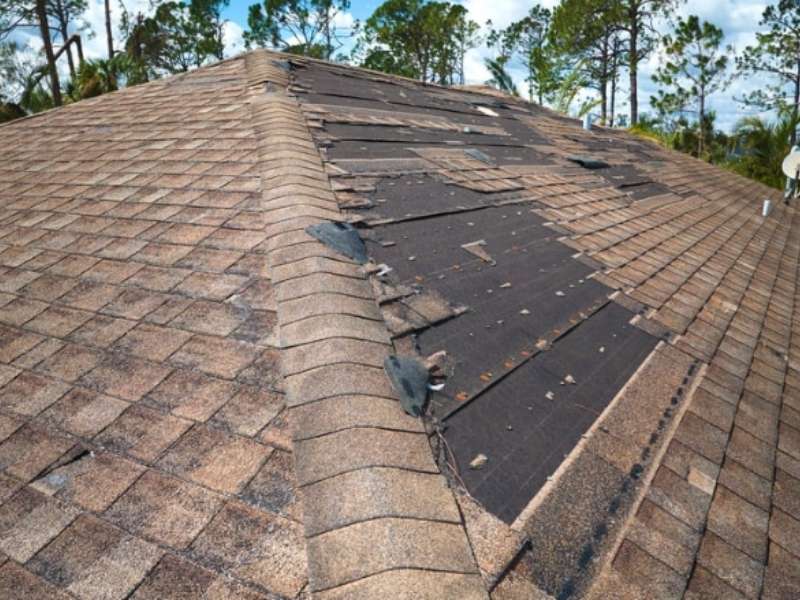
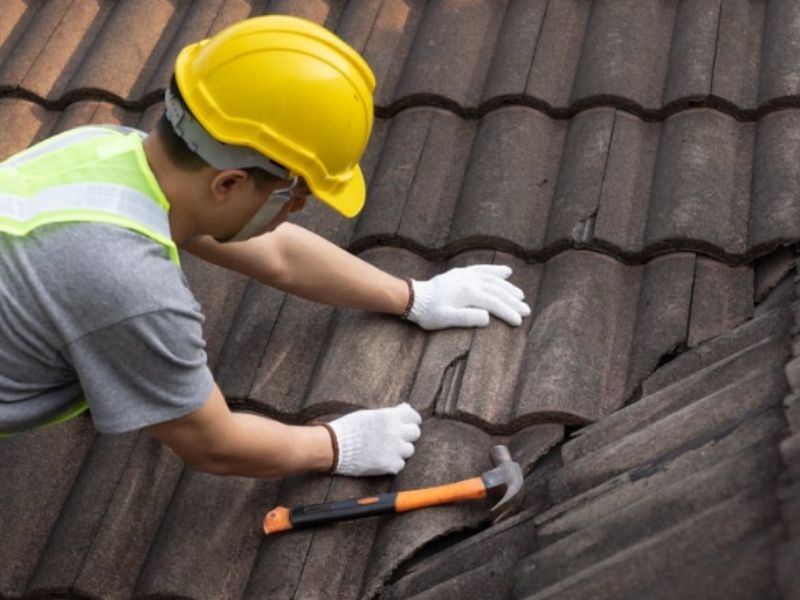
Missing tiles are incredibly common, especially after storms. If you've got a few missing tiles scattered across your roof, that's a straightforward repair job. When you start seeing odd tile after odd tile coming loose, or when whole sections are slipping, that's when we start thinking about bigger problems.
Sagging is serious. If any part of your roof dips or looks uneven, that signals potential structural problems that go beyond the surface. This isn't something you patch up and forget about.
When Minor Issues Actually Stay Minor
Small repairs work brilliantly when the roof structure underneath is sound. A cracked tile here, some damaged lead flashing there, or minor leaks around the chimney don't require tearing everything off and starting again.
We see plenty of roofs where fixing the immediate problem solves everything. The key is catching these issues early through regular maintenance before they spread and cause further damage.
How Much Life Does Your Roof Have Left?
Age matters more than most people realise. Different roofing materials have vastly different lifespans, and knowing where yours sits on that timeline changes everything.
Understanding Material Lifespans
Concrete tiles typically last between 50 and 60 years in UK conditions. If your roof is 15 years old and showing minor wear, repairs make perfect sense. If it's pushing 45 years and needs work, replacement starts looking like the smarter move.
Slate roofs can endure over 100 years when properly maintained, though they often need repairs sooner than that. The tiles themselves might be fine, but the fixings and underlayment deteriorate faster.
Metal roofs sit somewhere in the middle, lasting 40 to 70 years depending on the specific material and how well they've been looked after. Working with experienced metal roofing installers ensures the roof is fitted correctly, maximising lifespan and performance while minimising potential issues over the decades.
Flat roofs have shorter expected lifespans, particularly older bitumen versions. Many only make it 20 to 30 years before needing complete replacement, though repairs can extend that if caught early.
The Halfway Point Rule
Here's something we tell homeowners all the time: if your roof has passed the halfway mark of its expected lifespan and needs significant work, think carefully about investing in repairs. A roof that's 25 years into a 50-year lifespan might be worth repairing. One that's 40 years in probably isn't.
Many UK homeowners delay roof replacement longer than other major home upgrades, often choosing small repairs first, especially when damage appears cosmetic rather than structural. But in older housing stock, particularly properties built before the 1980s, recurring patch repairs are one of the biggest signs that a full replacement may soon become more economical than continued maintenance.
Breaking Down the Cost Difference
Money drives most decisions, and understanding what you're actually paying for helps cut through the confusion.
What Repairs Actually Cost
The repairs cost for fixing minor issues usually ranges from £150 to £1,000, depending on what needs doing. That's your baseline for small jobs.
Repairing a pitched clay tile roof sits between £110 and £160 per square metre. For a bitumen flat roof, you're looking at roughly £120 per square metre. Natural slate comes in higher at around £190 per square metre.
Lead flashing repairs generally cost between £50 and £70 per metre, while fixing a leaky roof runs about £200 for new roof tiles or £250 per litre for new flashing.
Don't forget scaffolding. Safe access adds around £625 per week to your total cost, and that applies whether you're repairing or replacing.
Labour typically costs between £25 and £35 per hour, or £200 to £300 per day. These rates affect both repairs and replacement, but replacement takes considerably longer.
When Replacement Becomes the Cheaper Option
Here's the turning point: if repairs exceed 50% of what a new roof would cost, replacement is generally more economical in the long run. We've seen homeowners spend £3,000 on repairs over two years when a full replacement would have cost £6,000 and solved everything permanently.
Rising labour costs across the UK have changed the repair versus replace calculation. Some homeowners opt for a full upgrade once repair costs start stacking up over multiple visits. The maths shifts when you're calling contractors out repeatedly instead of dealing with everything in one go.
Repairing a sagging roof can range from £1,000 to £12,000 depending on what's causing the problem. At the higher end of that scale, you're approaching full replacement territory anyway.
What Damage Patterns Tell Us
Not all damage is created equal. The pattern of problems across your roof reveals whether you're dealing with isolated incidents or systemic failure.
Localised Problems vs Widespread Issues
A few scattered problems suggest localised damage that responds well to targeted repairs. Storm damage often creates this pattern - a branch falls, some tiles break, you fix those specific spots and move on.
Widespread damage is different. When problems pop up across multiple areas, when you're seeing signs of wear everywhere you look, when water ingress happens in several places, that points to the whole roof reaching the end of its useful life.
Deterioration caused by age affects everything simultaneously. The tiles might look acceptable, but the felt underneath has degraded, the fixings are corroding, and the ventilation isn't working properly anymore. You can't repair your way out of that.
The Real Cost of Temporary Fixes
Quick fixes buy you time, but they don't solve underlying problems. We've worked with homeowners who spent five years doing temporary repairs, only to need a full replacement anyway. Those temporary fixes added thousands to their long term costs without extending the roof's actual lifespan.
Estate agents often note that buyers are more cautious about properties with visibly ageing roofs. Some sellers choose replacement before listing to avoid price negotiations. If you're planning to sell within a few years, factor that into your decision making process.
How Energy Efficiency Changes the Equation
Modern roofing materials do more than just keep water out. They actively improve your home's energy performance in ways older roofs simply can't match.
Insulation and Energy Bills
Older roofs installed before modern building standards may lack sufficient insulation layers. If you're noticing high energy bills or struggling to keep rooms warm, your roof might be the culprit.
Modern roofing materials can reduce heating and cooling bills by up to 20% through better insulation and reflective properties. That's real money back in your pocket every month.
With energy efficiency becoming more important, many UK homeowners use roof replacement as an opportunity to upgrade insulation rather than simply fixing visible damage. The disruption is happening anyway, so improving the insulation makes sense.
Energy efficient roofing pays for itself over time. Calculate what you're currently spending on heating, then work out the savings from improved insulation. Sometimes that alone justifies replacement over repairs.
Future Planning Considerations
Some households decide to replace their roof when adding solar panels or loft conversions, as upgrading the structure at the same time avoids future disruption. If these projects are in your future plans, coordinate them with your roofing work.
A new roof provides the perfect opportunity to prepare for later upgrades. Installing the right supports now means less hassle when you're ready for solar panels or want to convert your attic into usable space.
The Structural Health Check
Surface problems are visible. Structural problems hide underneath, but they're far more serious when they exist.
What Lies Beneath the Surface
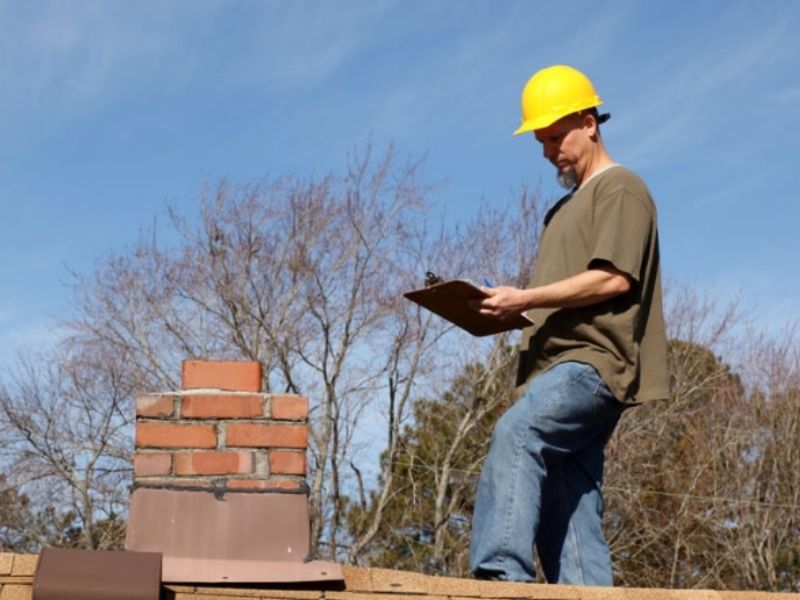
The roof structure includes everything you can't see from ground level - the timbers, the underlay, the ventilation, the fixings. A professional roof inspection can examine all of this safely and efficiently, assessing the structural integrity before recommending repairs or replacement.
Inspecting the structural integrity helps you better understand the severity of the roofing issues. Sometimes what looks like a simple leak is actually water damage that's rotted the timbers. Other times, surface wear is just surface wear and the bones underneath are perfect.
Poor workmanship on previous repairs can cause problems that look like age-related deterioration but are actually fixable without full replacement. An experienced team can spot the difference.
Common Hidden Problems
Moss can cause problems if it gets established as it can get underneath and move tiles, creating space for water to get in. What starts as a cosmetic issue becomes a structural one if left too long.
The UK's mix of heavy rain, wind driven storms and fluctuating temperatures puts constant stress on roof coverings, especially older slate and concrete tiles. This weathering affects the underlayment and fixings even when the tiles themselves still look decent.
Freeze and thaw cycles during winter can widen small cracks. A repair that worked one year might fail the next, pushing homeowners towards replacement decisions they weren't expecting.
Moss and algae growth, particularly common in damp northern regions, often leads to minor repairs at first but can reveal deeper issues like trapped moisture or degraded underlay once you start investigating properly.
Making Your Decision
You've got the information. Now you need to choose between repair and replace, and that choice depends on combining everything we've discussed.
The Decision Making Framework
Start by getting professional advice. Consulting with reputable roofing contractors who follow industry standards and hold proper certifications gives you accurate information about your specific situation.
Request a no obligation quote for both options. Seeing the actual numbers helps clarify whether repairs are a cost effective solution or whether replacement offers better value.
Consider your future plans. Are you staying in this house for another 20 years? Planning to sell soon? Thinking about renovations? These answers affect which option serves you best.
UK homeowners often start with repairs because they feel less disruptive, but frustration with recurring leaks or temperature issues frequently becomes the turning point towards replacement. Listen to that frustration - it's telling you something important.
When Repairs Make Sense
Choose repairs when your roof is relatively young and the damage is limited to specific areas. When the underlying structure is sound and you're dealing with isolated problems, repairs deliver excellent results.
Repairs work when you need time. Maybe you're not financially ready for a full replacement right now, or you're planning to sell soon and just need to address immediate problems. Strategic repairs can bridge that gap effectively.
Minor leaks, a few damaged tiles, or small sections of compromised flashing all respond well to targeted repairs from a skilled roofing contractor.
When Replacement Wins
Full roof replacement makes sense when damage is widespread across the whole roof, when your existing roof has reached or passed the halfway point of its expected lifespan, or when repair costs are approaching half the price of a complete replacement.
Visible sagging, persistent damp smells in loft spaces or repeated internal ceiling marks are among the biggest triggers that shift people from quick fix thinking to long term solutions. Many homeowners describe the moment they realise a repair isn't enough as when the roof starts affecting daily comfort rather than just appearance.
A full replacement provides warranties that last 20 years or more, compared to the much shorter guarantees on repairs. That peace of mind counts for something.
Storm damage claims in the UK frequently involve older roofs where individual fixes become less reliable over time, influencing insurance discussions around replacement. If your insurer is suggesting replacement, take that seriously.
Getting Multiple Perspectives
We always recommend speaking with at least two or three roofing professionals before committing to either option. Different contractors might assess the same roof differently based on their professional expertise and experience with various roof types.
Choosing a roofing company with proven expertise and a strong reputation ensures you receive reliable, high quality service. Look for companies that carry proper insurance, offer clear guarantees on their work, and have verifiable reviews from past clients.
Partnering with a trusted company means your roof is repaired or replaced to the highest standards, whether you choose a targeted repair or a complete overhaul.
What Happens After Your Decision
Once you've chosen between repair and replace, understanding what comes next helps you prepare properly.
The Repair Process
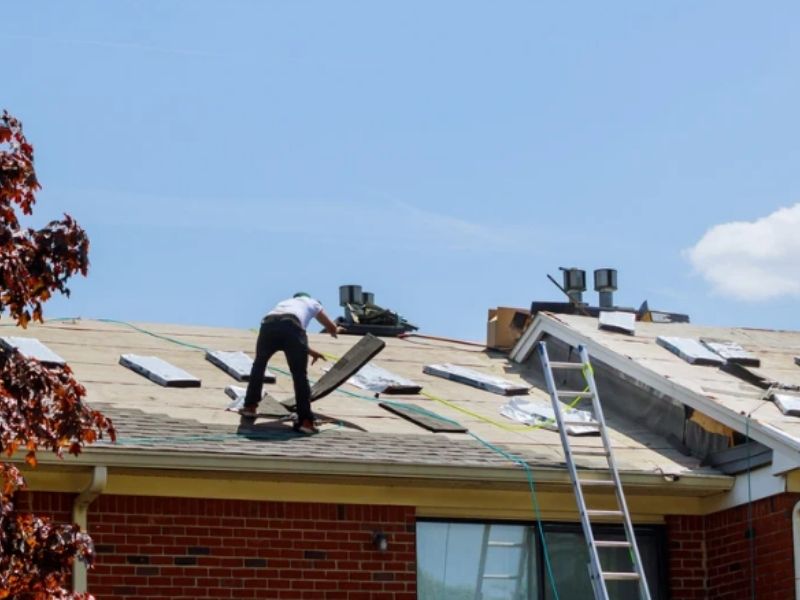
Repairs typically happen faster than full replacements. Depending on the scope, your roofing contractor might complete the work in a day or two. Scaffolding goes up, the damaged sections get addressed, everything gets tested, and scaffolding comes down.
Small repairs often require minimal disruption to your daily routine. You might not even need to be home while the work happens, though it's worth being available in case questions arise.
The Replacement Journey
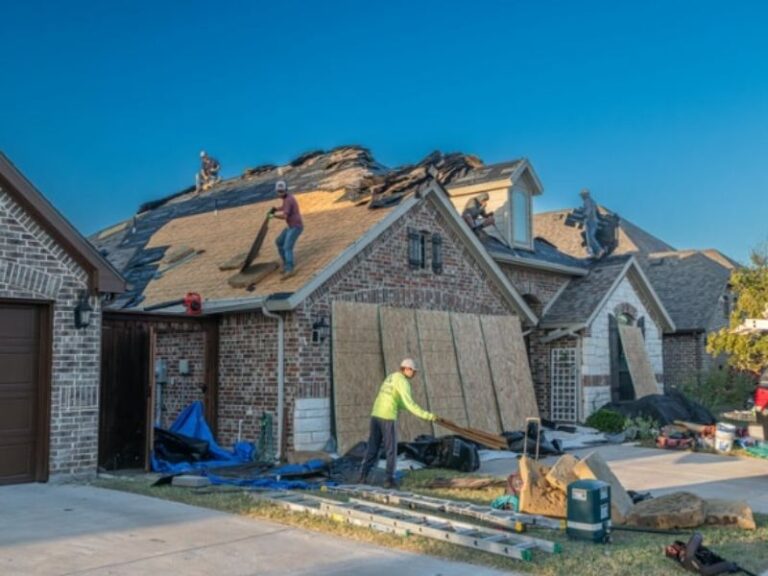
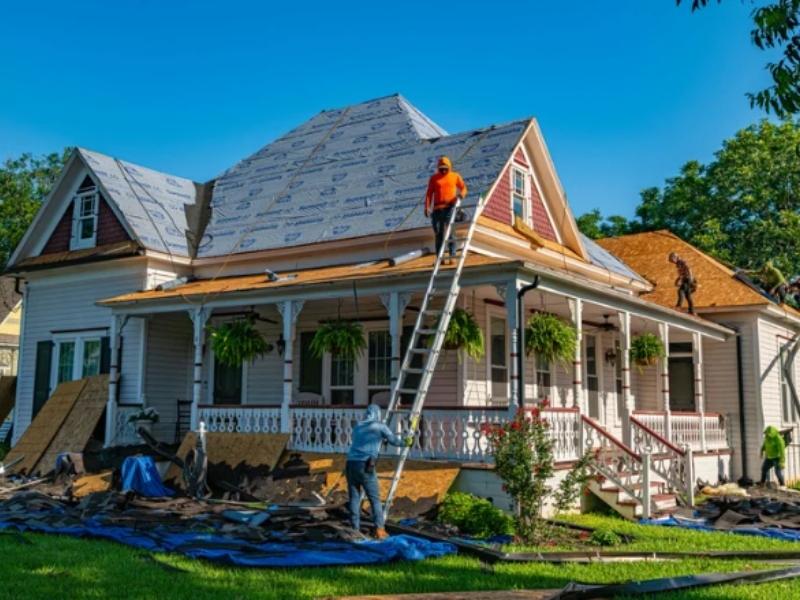
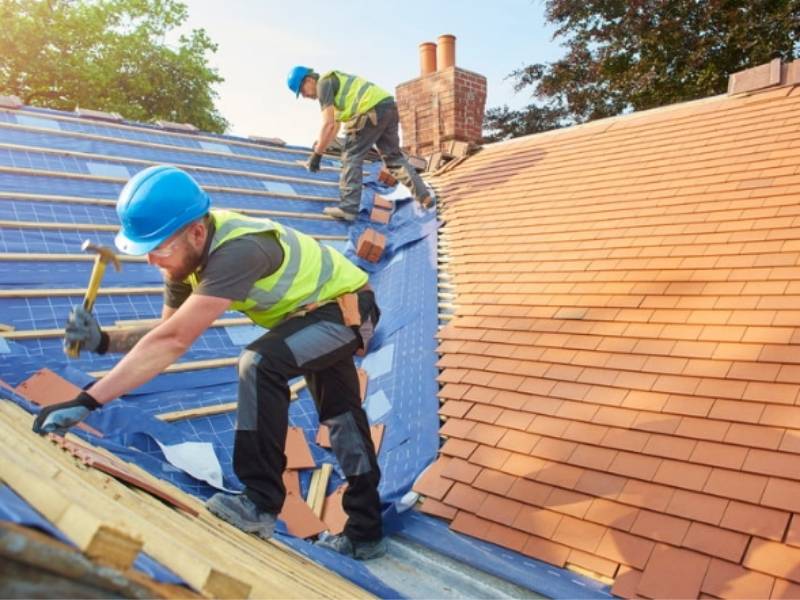
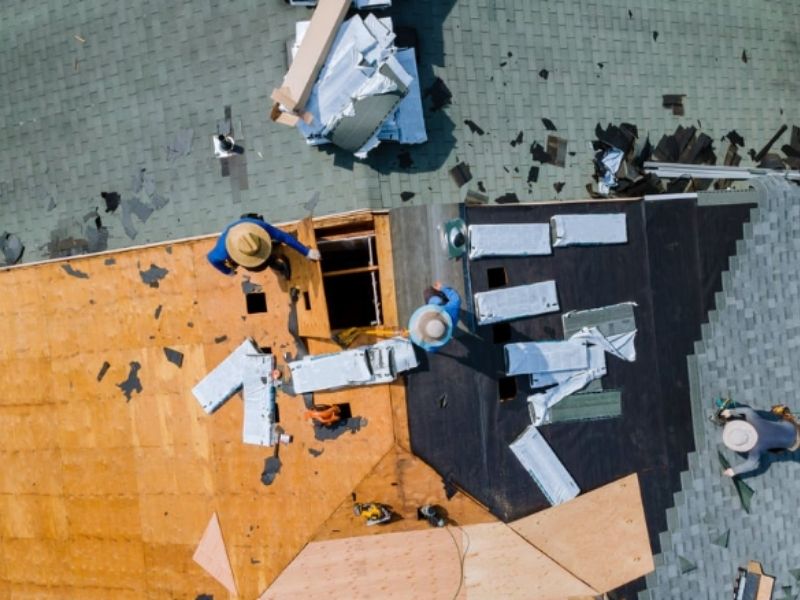
A full rebuild takes longer and involves more planning. The old roofing materials come off, the structure gets inspected and repaired if needed, new underlayment goes down, and fresh tiles or other materials get installed.
This process typically takes between one and three weeks depending on your total roof area, weather conditions, and the complexity of your roof design. Gable end detailing, multiple valleys, or unusual roof types all add time.
You'll need to plan for noise, dust, and contractors working on and around your property. Most professional teams minimise disruption as much as possible, but it's still worth preparing.
The result is a roof that should serve you reliably for decades. Modern installations often include improved ventilation, better insulation, and warranties that protect your investment.
Taking Care of Your Roof Going Forward
Whether you repair or replace, what you do afterwards determines how long the solution lasts.
Regular Maintenance Matters
Regular maintenance extends the life of any roof. This means clearing gutters, checking for loose or damaged tiles, and addressing small issues before they become big ones.
We recommend having your roof inspected at least twice a year, especially after severe weather events. Catching problems early means repairs stay small and manageable.
Professional roofers can spot developing issues before they evolve into comprehensive and costly problems. An annual inspection costs far less than emergency repairs after water has been pouring into your home for weeks.
Knowing When to Call for Help
Don't ignore warning signs. If you notice water stains appearing, tiles going missing, or your roof's performance deteriorating, get it checked straight away.
Heavy rainfall often reveals problems that weren't obvious during dry spells. If you're seeing leaks or water pooling where it shouldn't be, arrange an inspection quickly.
The longer you wait, the more expensive problems become. What starts as a simple repair can escalate into widespread damage requiring full replacement if water gets into the roof structure and causes rot.
Why Checkaroof Can Help
At Checkaroof, we understand the decision between repairing and replacing causes genuine stress for homeowners. We've helped countless people across the UK navigate this exact choice, and we're here to make it easier for you.
Our experienced team assesses your specific situation honestly. We'll tell you if repairs will genuinely solve your problems, and we'll be equally honest if replacement is the better path. We're not interested in upselling - we're interested in providing the right solution for your circumstances.
We offer comprehensive inspections that examine everything from the tiles you can see to the structure you can't, including a detailed roof inspection by drone to capture hard-to-reach areas safely and accurately. This thorough approach ensures you understand exactly what's happening with your roof before making any decisions, with every roof inspection by drone providing clear imagery and actionable insights.
Whether you need targeted repairs or a complete replacement, we deliver professional, reliable work backed by proper guarantees. We handle everything from initial assessment through to final cleanup, making the whole process as smooth as possible.
If you're still unsure whether to repair or replace, contact us for a no obligation quote. We'll visit your property, assess your roof thoroughly, and give you clear information about your options and what each would cost. From there, the choice is yours - and we'll support whichever direction makes sense for you.