Quick Answer: Butyl Rubber Roofing in Simple Terms
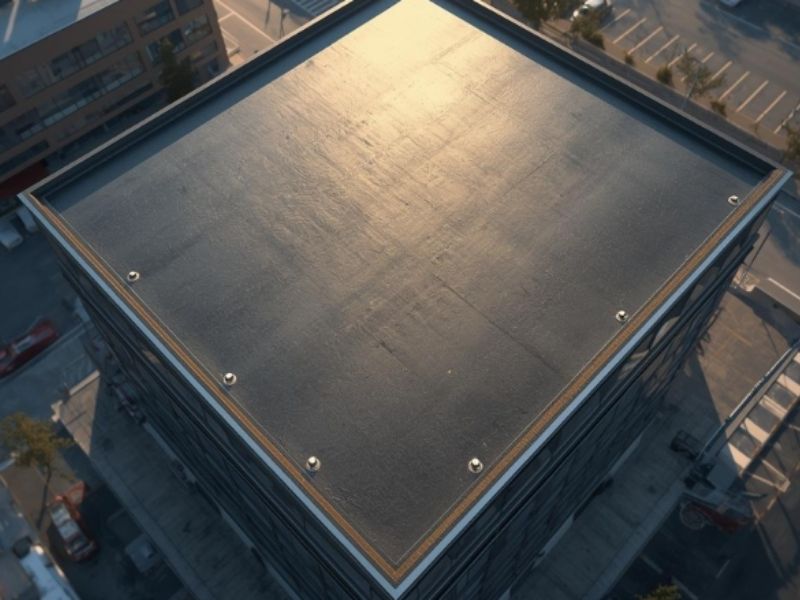
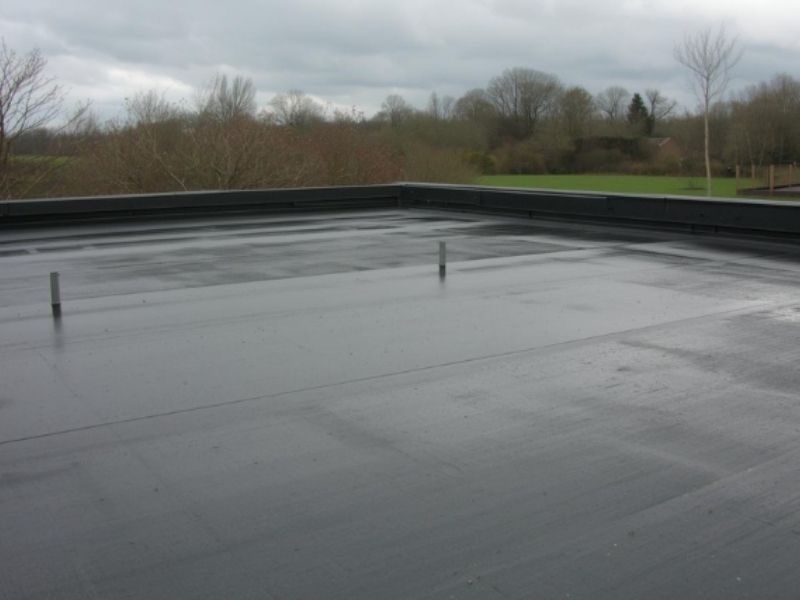
Butyl rubber roofing is a synthetic rubber made by combining isobutylene and isoprene that creates a waterproof membrane for roofs. This butyl rubber roofing solution forms a seamless protective barrier that stops water getting through while staying flexible across extreme temperatures from freezing cold conditions to intense heat. We at Checkaroof have seen these systems last between 20 to 50 years when properly maintained, making them one of the longest lasting roofing materials available for both residential buildings and commercial buildings.
The Material Composition: How This Durable Roofing Material Gets Its Unique Properties
Butyl rubber stands out from other roofing materials because of what goes into making it. The manufacturing process starts with isobutylene combined with a small amount of isoprene to create this synthetic rubber with exceptional water resistance. This versatile solution maintains its layer across temperature ranges that would damage many traditional roofing materials, offering a clear answer to what is butyl rubber roofing for property owners researching long-term performance. Understanding this material is essential when comparing the best types of rubber roofing for durability and reliability.
The resulting material has an elongation rate exceeding 500 percent. This means it can stretch several times its original size without tearing or cracking, which helps absorb building movement and thermal expansion. When temperature fluctuations happen between seasons, butyl rubber maintains its flexibility where other materials might become brittle, crack, or split.
How Butyl Rubber Roof Coatings Compare to Other Options
Butyl Rubber Versus EPDM and Acrylic Roof Coatings
Both butyl rubber and EPDM are flexible materials used across various industries for waterproofing projects. EPDM requires no additional coating because everything is built into the system, making it low maintenance from day one. For those wondering what is EPDM rubber roofing, this material offers durable, long-lasting protection that performs exceptionally in demanding conditions. Butyl rubber is particularly known for its superior water and gas resistance, which is why we often use this material alongside EPDM for enhanced sealing on challenging projects. Acrylic roof coatings offer another alternative, though they typically don't match the exceptional waterproofing performance in ponding water situations.
Performance Against Traditional Roofing Materials
When you look at butyl rubber roof coatings versus older systems like bitumen felt, the initial costs run higher. But the numbers tell a different story over time. Studies show that over 80 percent of roof failures are caused by poor joints and seams. Butyl rubber helps reduce this through its seamless or chemically bonded installation methods. Various roof coatings are available today, but butyl rubber roof coatings remain stable across extreme temperatures while traditional felt systems often require replacement within 10 to 15 years.
Application Methods: Getting Roof Coatings onto Your Property
Preparation Steps Before Applying Butyl Rubber
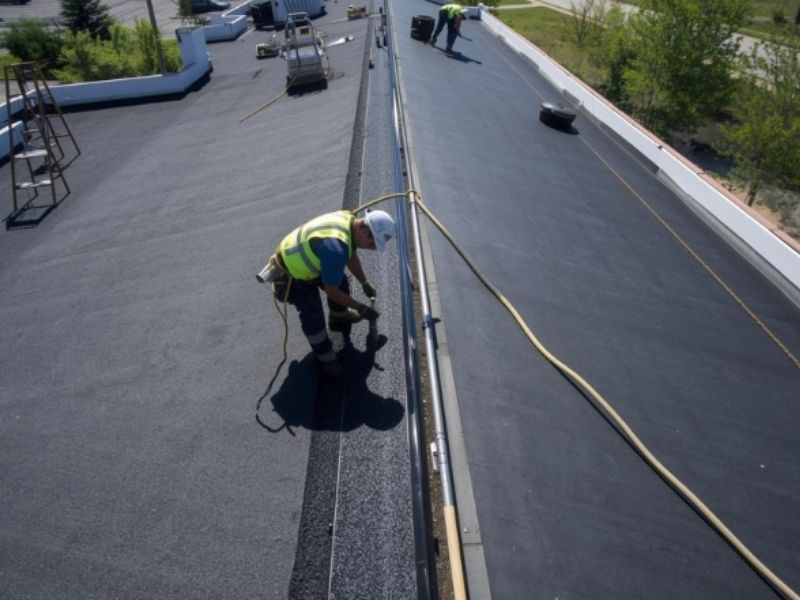
Before we apply butyl rubber on any installation, the existing surface should be inspected and cleaned thoroughly. We remove all oil, debris, and contaminants that could prevent proper adhesion. For installations over timber decking, the substrate must be in good condition to support the new coating. Any damaged sections get repaired or replaced first.
The application requires a clean surface to ensure better bonding. Even missed spots during preparation can lead to adhesion problems down the line. This preparation phase determines how well your protective barrier performs for decades ahead.
Different Forms for Different Roof Needs
The material can be applied in sheets, tapes, and liquid coatings depending on what you need. Liquid forms work well for complex shapes with many penetrations. These liquid coatings flow into corners and around obstacles to create that seamless waterproof membrane we look for in quality installations.
Tapes seal joints, valleys, and penetrations to prevent moisture getting in. For aging installations, liquid coatings can be applied over the existing surface to extend their life, fix leaks, and stop water pooling. After we apply butyl rubber on any surface, it needs time to cure and form a strong, flexible layer that bonds to the surface beneath. The curing process is vital for creating that seamless coating layer that provides long term protection.
Where These Roof Coatings Make Sense for Different Projects
Flat Roof Applications and Low Slope Installations
This durable material works particularly well on various installations where water tends to sit. This versatile solution can withstand ponding water for extended periods without losing structural integrity. This makes it suitable for installations where drainage might not be perfect, a key reason why experienced flat roof installers often recommend it.
The smooth, non-porous surface makes it resistant to algae and moss growth compared to felt based systems. For commercial properties with large areas, this means less frequent cleaning over the lifespan. Many projects benefit from the seamless coverage that eliminates common weak points where leaks typically develop.
Compatibility with Various Roof Types
One of the advantages we see at Checkaroof is how this material can be applied to almost any surface. It bonds well to metal roofs, concrete, fiberglass, and other roofing materials. This compatibility means we can use coatings for repairs on existing installations or complete new ones across different building types.
Because the material is lightweight, it places less structural load on decks than many traditional options. For older buildings where weight considerations matter, this becomes an excellent choice without requiring structural upgrades to support heavier systems.
The Protective Benefits: Why Buildings Need Waterproofing That Lasts
Resistance to Environmental Challenges
Butyl rubber offers excellent resistance to UV radiation, weathering, and ozone exposure. The natural UV resistance significantly slows down surface degradation compared to many traditional systems. In urban and industrial environments where airborne pollutants are present, this material remains chemically stable without breaking down.
The coating solution handles harsh weather conditions including heavy rain, snow, and heat swings without deteriorating. This weather resistance combined with flexibility means fewer repairs needed over time. White or light coloured systems can reflect up to 90 percent of solar heat, potentially reducing cooling costs for the building underneath.
Long Term Protection Against Water Damage
Water damage represents one of the biggest threats to any building. Butyl rubber creates a waterproof membrane that stops water from penetrating and helps protect the structure underneath. The coating has exceptionally low water vapour permeability, helping to protect structures from moisture ingress and condensation issues that can rot timber or corrode metal over time.
The elasticity allows it to maintain watertight seals around penetrations such as vents and skylights. These spots are among the most common leak points, but the ability to stretch and return to its original shape keeps the sealing effective even as the building shifts slightly. This helps protect multiple vulnerable areas simultaneously.
Installation Characteristics That Affect Roof Performance
Creating Seamless Coverage with Quality Roof Coatings
When we apply butyl rubber properly, it creates a seamless coating across the entire surface. This continuous coverage eliminates the weak points that come with overlapping sheets or multiple seams. Liquid coatings in particular excel at forming these unbroken barriers across complex shapes.
During installation, attention to edges and transitions between different areas matters enormously. Butyl rubber exhibits strong adhesion capabilities, bonding well to substrates like metal, concrete, and existing membranes. After the coating cures, inspecting is necessary to check for any areas needing additional sealants or touch-ups. Professional installers understand how to apply each layer for maximum performance.
Working with Temperature Extremes
This coating remains flexible in temperatures ranging from minus 40 degrees Celsius to over 120 degrees Celsius. This performance range covers basically everything our climate throws at it. Whether dealing with winter freeze or summer heat, the coating maintains its properties without becoming brittle or soft.
For industrial and commercial properties that see decades of thermal cycling, this temperature stability prevents cracking and deterioration. The coating stays intact through countless heating and cooling cycles that would damage less options.
Maintenance Requirements: What to Expect After Installation
Routine Care for Long Lasting Protection
Butyl rubber systems require regular cleaning to remove dirt and debris that accumulates over time. This low maintenance characteristic means less ongoing work compared to multi-layer felt systems that need frequent repairs. Most maintenance involves simple inspections to check the coating surface and addressing any physical damage quickly.
The resistance to chemicals, heat, and moisture means fewer problems develop without warning. When small issues do appear, they're typically straightforward to fix with additional sealants or coating applications. Professional roofers can address these repairs efficiently, saving money over the coating's lifetime compared to systems requiring extensive work every few years.
Extending Service Life Through Prevention
A properly applied system can last decades without requiring major repairs. To get those 30 to 50 year lifespans we see from quality installations, some basic prevention helps. Keeping drains clear prevents water pooling. Trimming back trees stops branches from causing physical damage. Walking carefully when inspections are needed protects the surface from unnecessary wear.
When eventual repairs become necessary, butyl rubber systems often require fewer fixes than alternatives, meaning lower long term costs. Quality sealants and professional maintenance keep it performing at its best throughout its service life.
Cost Considerations: Initial Investment Versus Long Term Value
Understanding the Price Structure
Butyl has a higher initial cost than traditional materials like standard felt. Average costs vary based on roof size, complexity, and whether you're doing a new installation or coating an existing roof. For a typical roof on a residential property, expect costs between £80 to £120 per square metre for materials and installation. Commercial projects with larger roof areas might see economies of scale bringing per square metre costs down slightly.
These numbers include surface preparation, the coating itself, and proper installation by trained roofers. Additional costs might come from fixing underlying structural issues or upgrading inadequate drainage before the new roof coating goes on.
The Cost Effective Nature Over Time
When you calculate costs over 30 or 40 years instead of just the installation year, butyl becomes cost effective despite its higher starting price. A felt roof might need replacing twice in the same period a butyl system lasts. Each replacement means materials, labour, and disruption costs adding up.
The reduced maintenance requirements also factor into the financial picture. Fewer callouts for leak repairs, less frequent inspections, and longer intervals between major work all contribute to lower total ownership costs. For commercial properties where roof failures can disrupt business operations, this reliability has additional value beyond just the repair bills.
Specific Applications Where Butyl Excels
Beyond Standard Roof Coverage
The material serves as a waterproof liner for green roofs, planters, and ponds due to its resistance to root penetration. This durable coating works across many applications beyond just covering buildings. We use it as a damp proof course for waterproofing foundations, basements, tunnels, and retaining walls where moisture barriers are critical.
For industrial facilities where chemicals might be present, the resistance to various substances makes it suitable where other materials would degrade. The coating handles exposure that would damage standard installations in chemical processing areas or agricultural buildings.
Sealing and Waterproofing Tasks
The sealing properties make it valuable for many repairs and upgrades. We use liquid form applications to seal around penetrations, repair small leaks, and reinforce vulnerable areas without replacing entire sections. This targeted approach saves money while solving specific problems.
Sealants and tapes provide quick solutions for emergency repairs when leaks develop. Having these sealants on hand lets building managers address problems immediately rather than waiting for full replacement projects. Various sealants are available depending on the specific application and materials being joined.
Important Limitations to Keep in Mind
Vulnerabilities That Need Attention
While butyl rubber offers excellent durability, it can be susceptible to punctures from sharp objects or heavy foot traffic. Areas where maintenance workers regularly walk need protection or careful movement to avoid damaging the surface. Planning roof access routes and using walkway pads helps prevent problems.
Butyl rubber should not be exposed to petroleum based products, oils, or certain solvents which can damage the material. For buildings where these substances might be present, additional protective measures or alternative roofing materials might make more sense. We always assess what the roof will face before recommending butyl for a specific project.
Installation Requirements
Getting good results with butyl rubber depends heavily on proper installation. The surface preparation we mentioned earlier isn't optional but absolutely required for the material to bond correctly. Installers need specific knowledge about working with synthetic rubber membranes to avoid common mistakes.
Weather conditions during installation matter too. Some liquid rubber forms need dry conditions and specific temperature ranges to cure properly. This can limit when installation work happens, potentially extending project timelines if weather doesn't cooperate.
Environmental and Sustainability Aspects
Butyl membranes can often be recycled at the end of their service life, contributing to improved sustainability compared to older materials that go to landfill. The long lifespan itself represents an environmental benefit because fewer resources get consumed in manufacturing and transporting replacement materials over a building's lifetime.
The reflective properties of light coloured coatings reduce building cooling loads in summer. This energy saving benefit compounds over decades of use, reducing both costs and environmental impact from excessive air conditioning.
Making the Right Choice for Your Property
Deciding whether butyl rubber roofing makes sense for your building depends on several factors. The type needed, expected service life requirements, budget considerations, and specific environmental challenges all play into the decision. Where water resistance is paramount, this material represents a proven solution with decades of real world performance data supporting it.
At Checkaroof, we evaluate each project individually to recommend the solution that best fits your needs. As a trusted roofing company, we offer versatile options that work across residential and commercial properties, providing an excellent choice when long-term reliability matters most. The combination of flexibility, waterproofing ability, and resistance to environmental challenges makes butyl rubber roofing a highly resistant option worth considering for your next project.
Conclusion Butyl Rubber: A Reliable Long Term Investment
Throughout this guide, we've explored how butyl rubber delivers exceptional performance for modern needs. From its unique chemical composition through to its proven track record in demanding applications, this material offers building owners a reliable path to long term protection. The ability to withstand extreme weather, resist cracking, and maintain its protective barrier for 30 to 50 years makes it a cost effective choice when you look beyond initial installation costs.
Whether you're protecting a residential property or a large commercial building, the benefits of seamless application, low maintenance requirements, and superior waterproofing create lasting value. For property owners seeking a solution that combines proven performance with minimal ongoing demands, butyl rubber roofing stands as a worthy investment in your building's future.