Quick Answer
The best replacement roof for a conservatory depends on your budget and how you want to use the space. Many homeowners often ask, what is the best replacement roof for a conservatory, and the answer varies depending on priorities like insulation, light, and aesthetics. Tiled roofs offer the strongest thermal efficiency and turn your conservatory into a proper year-round room. Glass roofs bring in maximum natural light and keep that classic conservatory feel. Polycarbonate is the cheapest option but performs poorly compared to modern alternatives. Most UK homeowners now choose solid tiled systems because they create a space that feels like a real extension rather than a seasonal add-on
Why Your Old Conservatory Roof Needs Replacing
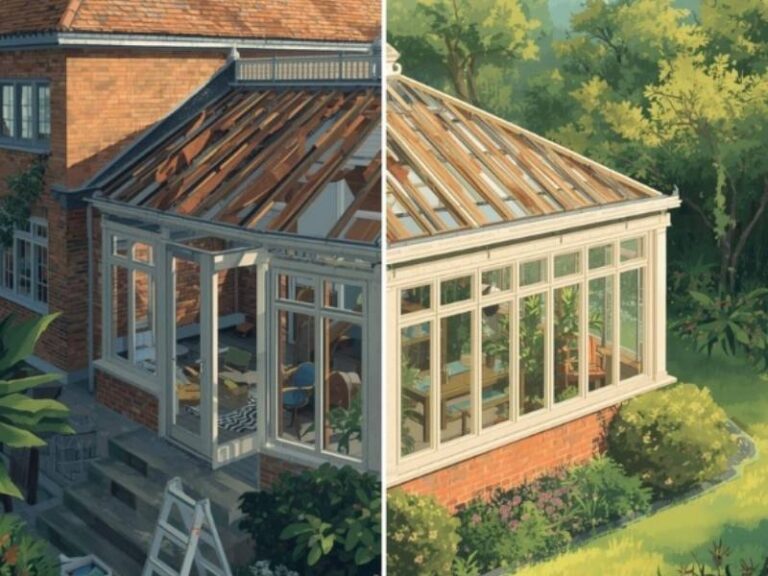
Millions of UK properties have conservatories built during the late 1990s and early 2000s boom. If yours is one of them, the roof is probably reaching the point where replacement makes more sense than endless conservatory roof repairs.
The biggest complaint we hear from homeowners is straightforward: "too hot in summer and too cold in winter". That's not just about comfort. An old conservatory roof means higher energy bills and a space you can barely use for half the year.
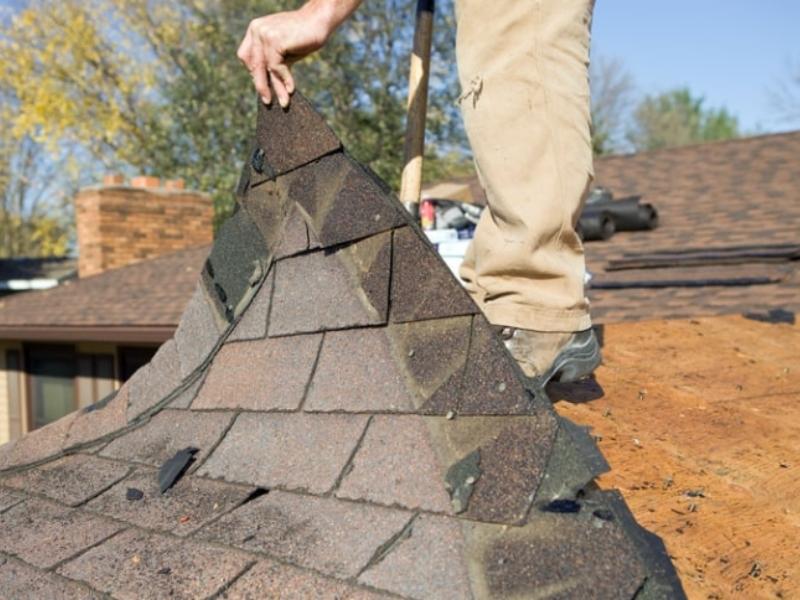
Polycarbonate roofs installed 15 to 20 years ago are now showing their age. They discolour in UV light, they amplify noise from heavy rain, and they do almost nothing to keep heat in or out. A large percentage of older UK conservatories still have these panels, which explains why replacement roof searches have shot up recently.
Energy costs keep climbing. Homeowners are looking at insulated roof systems that actually stabilise indoor temperatures throughout the year. Estate agents report that a well-insulated conservatory that works as a permanent room can improve property value compared to a space that sits empty most of the time.
What Are the Main Conservatory Roof Types?
There are four main conservatory roof types you need to know about: glass, polycarbonate, tiled, and hybrid conservatory roof options.
Glass Roofs: Maximum Light with Modern Performance
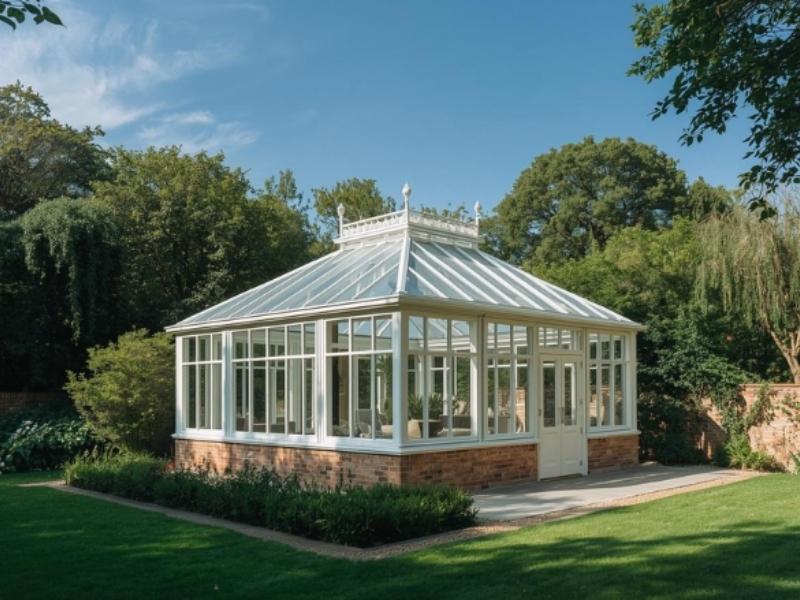
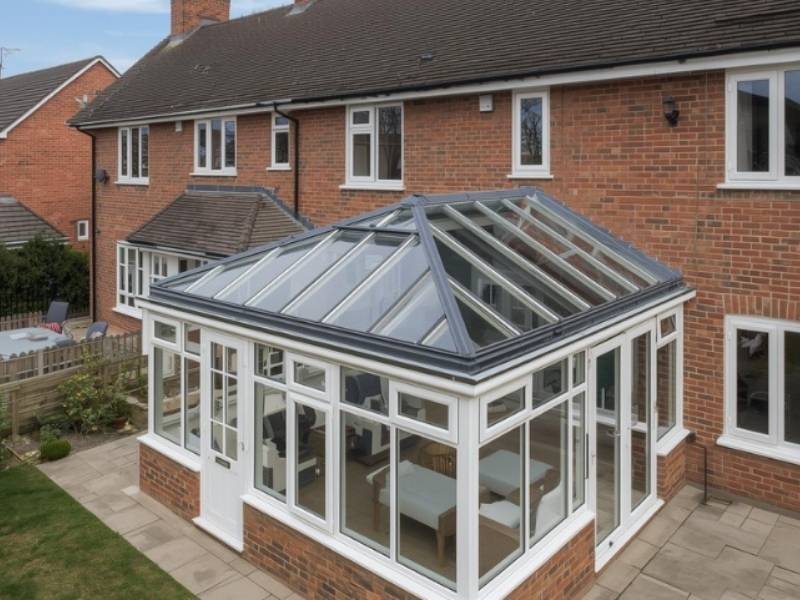
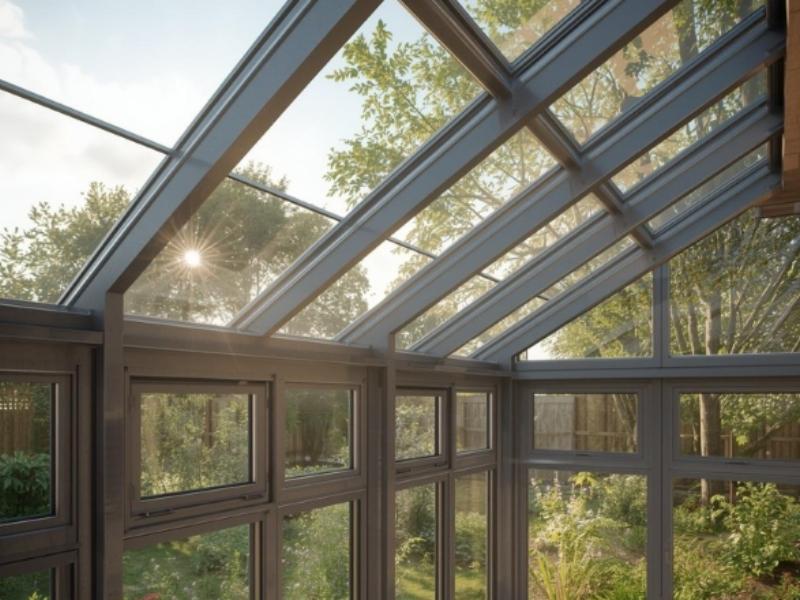
Glass roofs let in more natural light than other conservatory roof options and create that classic conservatory feel. Modern high-performance glass includes solar control and self-cleaning coatings to reduce maintenance and overheating.
We use a strong aluminium frame to support the glass panels, creating a sturdy structure designed to withstand severe weather. Advances in glass technology using coatings designed to deflect solar gain and retain heat have created performance roofs that allow year-round use.
Glass conservatory roofs can be made to many styles and shapes. The Quantal roof features double-glazed glass units and a slender aluminium frame, bringing in natural light and creating an open atmosphere. High-performance glass retains heat better than polycarbonate and has a durability of over 25 years.
Double glazing helps with both thermal efficiency and sound insulation. Self-cleaning glass can save you time and hassle, especially if your conservatory is hard to reach. Solar control coatings manage solar gain, keeping the space filled with light without turning it into a greenhouse during summer.
Polycarbonate Roofs: Budget-Friendly But Limited
Polycarbonate roofs are lightweight and affordable. If budget is tight, they typically cost between £3,000 and £7,000 for a standard lean-to conservatory. That's the main appeal.
But a polycarbonate conservatory roof comes with serious drawbacks. Poor sound insulation means heavy rain sounds like a drum solo. They offer minimal thermal efficiency, so your conservatory is freezing in winter and boiling in summer. Over time, they're prone to discolouration in UV light and they just don't look as good as other roof systems.
Replacing a polycarbonate roof with a solid roof can drastically improve energy efficiency and comfort. Many homeowners report using their conservatory far more after ditching the old polycarbonate panels.
Tiled Roofs: Superior Insulation and a Permanent Feel
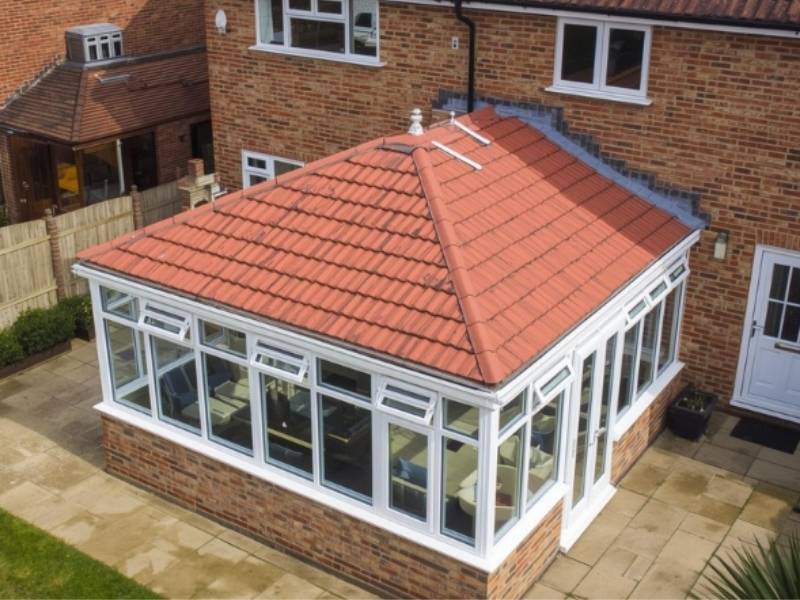
A tiled conservatory roof transforms your space into something that feels like a true extension. Tiled roof systems provide exceptional insulation, often up to 8 times better than polycarbonate.
Systems like Guardian Warm Roof are sometimes called the "Rolls Royce" option by installers. They combine insulation, internal plastered ceilings, and external tiles for a more permanent finish. The popularity of these premium systems reflects a wider UK home improvement trend where homeowners prioritise comfort and long-term performance over cheaper short-term fixes.
Solid tiled roofs provide better long-term value thanks to lower energy bills and reduced maintenance costs. Switching to a solid tiled roof can save homeowners an average of £200 per year on energy bills. That adds up quickly when you factor in rising energy costs.
Tiled and solid roof systems provide the best acoustic insulation, reducing noise from heavy rain significantly compared to polycarbonate. You get a comfortable temperature year-round instead of a space you avoid for six months.
Lightweight tiles are engineered to work with your existing conservatory structure without adding excessive weight. Synthetic tiles offer weather resistance and durability without the concerns that come with heavier traditional materials.
The UK climate plays a huge role in roof choice. Frequent rain and temperature swings make insulation more valuable than purely aesthetic upgrades. A solid conservatory roof helps reduce external noise, creating a peaceful environment for relaxation.
Hybrid Roofs: Combining Solid Panels and Glass
Hybrid conservatory roof designs combine solid insulated panels with glass sections. Livinroof is a good example. It allows for shaped glazing to direct natural light where you need it while maintaining superior thermal efficiency in other areas.
This gives you the best of both worlds. You get the insulation benefits of a solid roof while keeping some of the openness that comes with glass panels. Skylights can be positioned strategically to bring light into specific zones without compromising the overall thermal performance.
How to Choose the Best Conservatory Roof Material
Picking the best conservatory roof material comes down to three things: how you use the space, your budget, and what your existing conservatory structure can handle.
Think About How You Actually Use the Space
If you want a conservatory that works as a living space all year, solid roof systems or hybrid options make the most sense. You need superior insulation and thermal efficiency to create a room that stays at a comfortable temperature regardless of the British weather.
Glass conservatories work well if you love natural light and don't mind managing temperature with blinds or climate control. They retain more heat than polycarbonate roofs, making the conservatory warmer when the outside temperature drops.
Older conservatories were often built as quick add-ons rather than integrated living spaces. Modern replacement conservatory roof designs focus heavily on thermal performance to fix that problem.
Consider Your Budget and Long-Term Costs
A new conservatory roof is an investment. Budget-friendly polycarbonate is the most affordable replacement option, but you'll pay for it in costly repairs, poor energy efficiency, and a space you barely use.
The cost of a new glass or polycarbonate roof for a conservatory depends on its size, with prices starting around £3,200 for a lean-to conservatory. Solid roof options cost more upfront but deliver better value over time. Considering how much does it cost to repair a conservatory roof alongside replacement prices allows homeowners to plan wisely and avoid repeated expenses from ongoing maintenance issues.
Replacement conservatory roof costs should factor in energy savings. Improving energy efficiency can cut your energy bills and reduce your carbon footprint. Many homeowners who upgrade their roof are also modernising lighting with roof windows or spotlights, turning the space into a genuine extension rather than a glass room.
Check Your Existing Structure Can Support the New Roof
You need to make sure that your existing conservatory structure can support the weight of a new solid roof before installation. Different materials have different weight requirements.
Lightweight composite panels offer excellent insulation, specially designed to prevent overheating and heat loss without putting too much additional weight on your conservatory structure. Aluminium frames are more durable, stronger, and maintenance-free compared to timber, which helps with structural integrity.
Understand Energy Efficiency and Thermal Performance
Energy efficiency has become a major factor in renovation decisions. Homeowners want thermally efficient systems that actually make a difference to comfort and running costs.
The materials used in the construction of conservatory roofs are designed to maximise thermal performance, providing comfort and reducing heating costs. Superior thermal efficiency means the space retains heat better, which leads to lower energy bills.
Solid roofs with aluminium frames offer the best durability and thermal efficiency. They maximise energy efficiency but reduce natural light, which is why some homeowners opt for hybrid systems instead.
The u value measures how well a material insulates. Lower u values mean better insulation. When comparing conservatory roof insulation options, check the u value to understand real-world performance.
What About Building Regulations and Planning Permission?
You may not need planning permission to replace a conservatory roof, but building regulations approval may still be required.
If you change a conservatory roof from glass to a solid roof, you can often do so without planning permission if it meets permitted development guidelines. To be exempt from building regulations when replacing a conservatory roof, a significant proportion of the roof and walls must remain glazed.
Building regulations encourage homeowners to consider energy-efficient conservatory roof options to reduce carbon emissions. New building regulations push for better thermal performance and weather resistant designs.
It's worth consulting your local authority before starting any building work on a conservatory roof replacement. They can confirm what applies to your specific situation and save you headaches later.
How Different Roof Materials Perform in UK Weather
The British weather tests conservatory roofs constantly. High winds, heavy rain, and big temperature swings all take their toll.
Glass is incredibly strong when properly installed and offers protection against the elements. Modern construction uses reinforced glass panels designed to handle weather resistance demands.
Tiled roofs are built to cope with everything the UK climate throws at them. They're weather resistant, energy efficient, and they don't deteriorate the way polycarbonate does.
Polycarbonate is tough initially but becomes brittle over time. It can't match the longevity or performance of glass conservatories or tiled systems.
Solid roof systems are virtually maintenance-free once installed. Glass roofs and solid roofs both handle British weather far better than polycarbonate, which requires frequent cleaning to prevent staining.
Popular Conservatory Roof Replacement Systems in the UK
Three systems dominate the UK market for conservatory roof replacement: Ultraroof, Livinroof, and Quantal roof options.
Ultraroof is a lightweight tiled roof system designed to transform your conservatory into an everyday room that stays consistently the same temperature as the rest of your home. It combines lightweight tiles with superior insulation, creating a thermally efficient space you can use year-round.
Livinroof combines the best elements of both solid and glass roofs, allowing for shaped glazing to direct natural light where needed. This flexibility makes it popular with homeowners who want both thermal efficiency and an open feel.
The Quantal conservatory roof focuses on maximising glass and natural light while maintaining modern performance standards. All roofing systems are designed to ensure maximum performance in all weather to avoid unwanted water ingress.
Should You Replace Your Entire Conservatory or Just the Roof?
Replacing a conservatory roof can breathe new life into the space without the cost of a complete rebuild, which is why many homeowners consider a conservatory warm roof upgrade as a practical improvement.
Home improvement trends show that conservatory upgrades are frequently chosen as an alternative to moving house, particularly in areas where property prices have risen sharply. If the walls and frame of your existing conservatory are still solid, a replacement roof makes financial sense.
A new roof can enhance the aesthetic appeal of the space, giving it a modern and updated look. It can increase the property's market value and improve kerb appeal without the disruption of tearing everything down and starting from scratch.
If your old conservatory has structural issues, or if the frame is timber that's rotting, you might need more extensive work. But for most conservatories built in the past 20 years, the frame can support a new conservatory roof without major modifications.
How Replacing Your Conservatory Roof Improves Daily Life
The real test of the best roof comes down to how it changes your day-to-day life.
Many homeowners describe the difference after installing a solid roof as transformative. The space goes from somewhere you tolerate a few months a year to a living space you use constantly. Some turn it into a year-round dining room, others use it as an office, and some just enjoy having a relaxing space that doesn't feel like a greenhouse or an icebox.
Modern conservatory roofs are designed to retain heat better and block excessive solar gain. You get a room that feels comfortable without cranking up the heating or hiding from the sun behind heavy blinds.
Better noise insulation means you can actually relax during a rainstorm instead of shouting over the drumming on the roof. The space becomes peaceful and usable in all weather, which is what most people wanted when they built the conservatory in the first place.
What Makes a Conservatory Roof the Best Choice for Your Home
Searches for "warm roof conservatory" and "solid conservatory roof replacement" have grown steadily as people look for ways to improve existing structures rather than replace them entirely.
The best conservatory roof replacement balances your budget, your lifestyle, and the realities of the British weather. For most homeowners, that means choosing between high-performance glass and solid tiled systems.
If you want maximum natural light and don't mind managing temperature, go with glass. If you want a room that feels like a proper extension with consistent comfort year-round, choose a solid tiled roof. If you want both, a hybrid conservatory roof gives you flexibility and a skilled roofing company can deliver the design and installation that meets both aesthetic and functional goals.
A growing number of UK homeowners are moving away from the old "glass box" model. They want conservatories that feel integrated with the rest of the home, that work in every season, and that don't cost a fortune to heat or cool.
At Checkaroof, we help homeowners understand their conservatory roof options and find the best material for their specific situation. Whether you're replacing an existing conservatory roof or upgrading a new conservatory, getting the roof right makes all the difference to how you use and enjoy the space.