Quick Answer
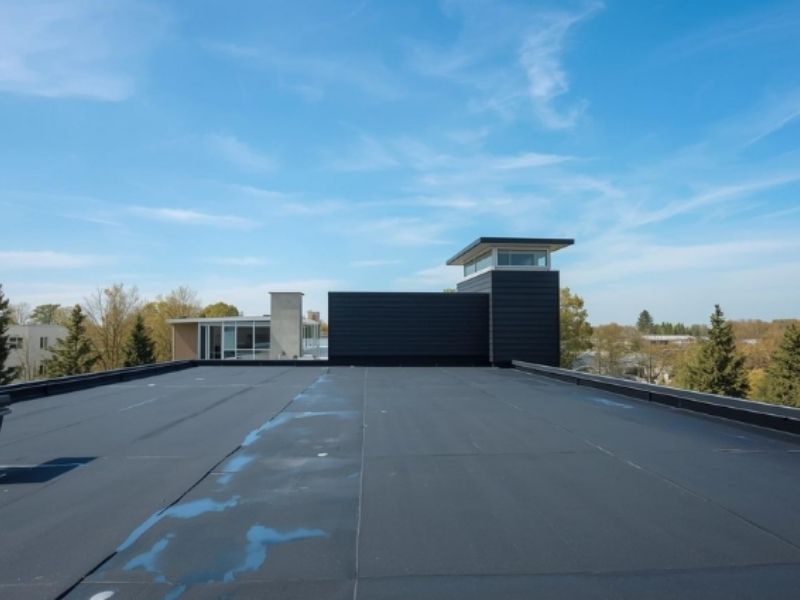
The best types of rubber roofing for UK properties include EPDM rubber roofing, which delivers 40-50 years of service life, butyl rubber with exceptional waterproofing properties, liquid rubber for seamless applications, PVC single-ply membranes like Sarnafil for commercial projects, and thermoplastic polyolefin membranes offering strong weld strength and UV radiation resistance. EPDM remains the most popular choice for residential flat roofs due to its flexibility, affordability, and proven track record across UK installations.
Understanding Rubber Roofing and Why It Works Brilliantly for Flat Roofs
Rubber roofing has become the solution of choice for flat roofs across the UK. At Checkaroof, we've installed these systems on countless flat roofs and watched them perform year after year. The material works because it creates a waterproof barrier that flexes with your building as it expands and contracts through different seasons.
Traditional felt roofs crack and fail when buildings move. Rubber doesn't have that problem. EPDM (ethylene propylene diene monomer) can stretch up to 300% without tearing, absorbing all that thermal movement caused by seasonal temperature changes. We've seen EPDM rubber roofing systems remain flexible in temperatures as low as negative 40 degrees Celsius, which matters when freeze and thaw cycles destroy other flat roofing material options.
Modern roofing membranes come in large single sheet sections that reduce seams by over 70% compared to traditional felt systems. Fewer seams mean fewer places for water to get through. That's why experienced flat roof installers know that flat roofs with properly specified rubber roofing membrane installations last so much longer than alternatives.
EPDM Rubber Roofing Remains the Uk's Most Trusted Flat Roofing Material
EPDM stands for ethylene propylene diene monomer, which is synthetic rubber designed specifically as a flat roofing material. For those asking what is EPDM rubber roofing, we recommend it for most projects on flat roofs because it just works. Installations we completed 20 years ago still look and perform like they were fitted yesterday.
Why EPDM Roofing Delivers Such Reliable Performance on Flat Roofs
EPDM roofing commonly delivers a service life of 40 to 50 years. That's not marketing talk. We have documented installations still performing after four decades. The EPDM membrane maintains elasticity even after prolonged exposure to UV radiation, which is what kills cheaper flat roofing material types over time.
An EPDM flat roof costs less to maintain than almost any roofing system available. The rubber membrane resists weathering, doesn't develop moss problems, and holds up exceptionally well in the damp UK climate. When we install EPDM rubber roofing systems on shed roofs, garage roof structures, or larger flat roofs used for extensions, property owners rarely call us back for repairs. This highly durable rubber roofing membrane offers weather resistance that outperforms traditional materials.
How EPDM Rubber Membranes Get Installed Correctly on Flat Roofs
The installation process for EPDM roofing starts with proper preparation of the roof deck. The surface must be clean, dry, and structurally sound. We then roll out the EPDM membrane in large sections. Modern EPDM rubber roofing systems often cover an entire flat roof with a single sheet, eliminating joints almost completely.
The roofing membrane gets secured using bonding adhesives that create a watertight seal between the EPDM rubber and the existing roof structure. Edge trims go around the perimeter to finish the installation and provide extra protection against water ingress. Unlike older flat roofing material that required torches and hot works, EPDM rubber roofing systems install cold. This removes fire risk by over 90% compared to torch-on systems used on flat roofs previously.
EPDM roofing kits make the installation process even simpler for smaller projects. These kits include everything needed, from the synthetic rubber membrane to roofing supplies like adhesives, primers, and trims. Some property owners tackle DIY projects with these kits, though we always recommend professional installation for flat roofs.
Cost Considerations for EPDM Rubber Roofing on Flat Roofs
EPDM is generally more affordable than alternatives like fibreglass roofing and GRP roofing. Material costs for EPDM typically run between £40 and £60 per square metre for the membrane itself, with total installed costs averaging £80 to £120 per square metre depending on roof complexity and access. When you factor in the life expectancy, which often exceeds 30 years with low maintenance, the lifecycle cost per square metre becomes one of the lowest among all flat roofing material options available for flat roofs.
Compare that to felt roofs, which might cost less initially but need replacement every 10 to 15 years. The lifespan of EPDM means property owners save money in the long run, even if the upfront investment seems higher than other flat roofing material types.
Butyl Rubber Roofing Provides Exceptional Waterproofing for Demanding Flat Roofs
Butyl rubber takes a different approach to protection on flat roofs. At Checkaroof, we often get asked what is butyl rubber roofing, and we specify it when clients need the absolute best waterproofing performance. This material has exceptionally low gas and water vapour permeability, making it one of the most airtight rubber roofing membranes available for flat roofs.
Performance Characteristics That Set Butyl Apart on Flat Roofs
Butyl rubber roofing membranes regularly achieve 30 to 50 years of service life in waterproofing applications on flat roofs. The material maintains elasticity even after decades of exposure to UV radiation, atmospheric pollutants, and the varied weather conditions we get across the UK. This weather resistance makes butyl particularly effective in urban environments where air quality might degrade other roofing materials faster.
What really separates butyl from other rubber roofing materials is how it handles standing water on flat roofs. While proper drainage should always be the goal, butyl can remain watertight under prolonged standing water conditions. We've installed butyl systems on low slope roofs where drainage is limited, and they perform reliably year after year without the problems that plague other flat roofing material types.
Where Butyl Rubber Roofing Makes the Most Sense for Flat Roofs
We recommend butyl for commercial buildings, high-end residential projects, and any situation where long-term waterproofing is absolutely critical on flat roofs. The material costs more than standard EPDM rubber but delivers superior performance in challenging conditions. Butyl systems work particularly well on flat roofs with minimal upkeep requirements, as the membrane needs very little attention once installed correctly.
Liquid Rubber Roofing Creates Seamless Protection on Complex Flat Roofs
Liquid rubber roofing forms a 100% seamless finish across the entire surface of flat roofs. To answer the common question what is liquid rubber roofing, it’s a system designed to eliminate joints entirely, preventing the majority of leaks on flat roofs. At Checkaroof, we've solved countless leak problems by switching clients from traditional sheet membranes to liquid rubber roofing systems.
How Liquid Rubber Roofing Systems Work on Flat Roofs
The installation process involves applying liquid rubber in multiple coats directly to the surface of existing roofs. The material cures to form a continuous waterproof barrier that moves with the building. Once cured, many liquid rubber systems can achieve elongation rates of 300 to 800%, which far exceeds what traditional felt-based flat roofing material can handle.
Cold application is one of the biggest advantages. There's no heat, no flames, and no fire risk even in inclement weather conditions. The process is quieter and cleaner than traditional methods used on flat roofs. We can complete most liquid rubber installations faster than sheet membrane systems, which reduces labour costs and disruption.
Best Applications for Liquid Rubber Roofing on Flat Roofs
Liquid rubber performs especially well on flat roofs with multiple penetrations like vents, pipes, and skylights. Sheet membranes struggle around these obstacles, creating weak points where leaks develop on flat roofs. Liquid rubber flows around every detail and creates perfect seals.
We also use liquid rubber for refurbishment projects where the existing roof has an irregular surface. The liquid conforms to any shape and bonds directly to most surfaces on flat roofs. For complex roof layouts with valleys, curves, or unusual shapes, liquid rubber typically offers a 20 to 30 year lifespan with lower failure rates than alternatives found on flat roofs.
PVC Single-ply Membranes and Sarnafil Systems Dominate UK Commercial Flat Roofs
PVC single-ply membranes are among the most widely specified flat roofing systems in the UK commercial sector. While PVC isn't technically a rubber in the strictest sense, it belongs in this discussion because of similar performance characteristics and installation methods. Sarnafil, manufactured by Sika, represents the premium end of PVC roofing and has been used on UK flat roofs for over 50 years.
Why Pvc Roofing Delivers Such Strong Performance as a Roofing System
PVC membranes are hot-air welded during installation. This creates seams that are often stronger than the roofing membrane itself. Unlike EPDM systems that rely on adhesive seams, welded PVC joints form a homogeneous bond that won't separate or peel over time on flat roofs.
PVC flat roofing systems typically deliver 30 to 40 years of service life when installed correctly. The material offers exceptional fire resistance and chemical stability, which is why we see it specified on hospitals, schools, and large residential developments. Light-coloured PVC membranes can reduce roof surface temperatures by up to 30 degrees Celsius during summer heat, which helps reduce cooling costs in commercial buildings.
Applications Where Sarnafil and Other Pvc Systems Excel on Flat Roofs
At Checkaroof, we specify PVC roofing for larger commercial flat roof installation projects where proven long-term performance justifies the higher material cost. The roofing system works brilliantly on facilities that can't tolerate roof failures, like data centres, hospitals, and educational buildings.
Sarnafil systems come with comprehensive guarantees and have a track record that few other roofing materials can match. The material handles extreme temperatures well, maintains its aesthetic appeal over decades, and requires minimal maintenance throughout its service life. For clients who want the absolute best commercial solution for flat roofs, PVC single-ply membranes like Sarnafil deliver.
Thermoplastic Polyolefin Roofing Combines the Best Qualities of Rubber and Thermoplastic Systems for Flat Roofs
Thermoplastic polyolefin roofing represents newer technology that's gaining rapid adoption across UK commercial flat roofs. TPO is a single-ply membrane that blends polypropylene and synthetic rubber, creating a flat roofing material that combines rubber-like flexibility with thermoplastic welding capabilities.
Performance Advantages of Tpo as a Rubber Roofing System
TPO roofing combines rubber and thermoplastic qualities for a reflective, energy-efficient surface on flat roofs. The material is highly reflective, which reduces cooling costs by reflecting solar radiation rather than absorbing it. Heat-welded seams are typically stronger than EPDM adhesive seams, creating a high-performance system with excellent long-term durability on flat roofs.
TPO membranes are typically lighter than EPDM and PVC, which reduces structural load on the roof deck. This matters on older buildings where load-bearing capacity might be limited. The material offers strong resistance to UV radiation and chemical exposure, contributing to 30-plus-year performance expectations on flat roofs.
Why Tpo is Increasingly Specified on Uk Commercial Flat Roofs
We're seeing more specifications for TPO as a rubber roofing system because it balances durability, weld strength, and environmental performance on flat roofs. The material adapts well to various climates, making it a preferred choice for flat roof replacement projects where the old system failed prematurely.
TPO is known for its energy-efficient, reflective surface that performs particularly well in areas with strong sun exposure. For hot climates or buildings with high cooling loads, TPO or similar reflective membranes deliver measurable energy savings. The material typically lasts 25 to 30-plus years with strong, heat-welded seams that rarely fail on flat roofs.
How Grp Roofing and Fibreglass Systems Compare to Rubber Alternatives for Flat Roofs
Glass reinforced plastic roofing, also called fibreglass roofing or GRP flat roofing, takes a completely different approach to waterproofing flat roofs. Instead of flexible rubber membranes, fibreglass roofing creates a rigid, glass reinforced polyester laminate across the roof surface. At Checkaroof, we install both GRP and rubber systems depending on what the flat roofing project needs.
Comparing Grp Installation to Rubber Membrane Systems on Flat Roofs
GRP installation involves layering glass matting with polyester resin to build up a solid GRP laminate structure on flat roofs. The process requires skill and good weather conditions, as the resin needs proper curing time. Once complete, a GRP laminate roof provides excellent water resistance and can last 20 to 30 years with minimal maintenance requirements.
The main advantage of fibreglass roofing is its seamless finish and aesthetic appeal. The surface can be textured or coloured, and it creates a hard, walk-able surface that handles foot traffic better than flexible rubber membranes on flat roofs. However, GRP is less flexible than EPDM rubber when it comes to a building's expansion and contraction. While cracks are rare, they do occur in GRP flat systems under certain conditions.
When to Choose Fibreglass Roofing Versus EPDM Rubber Roofing for Flat Roofs
We recommend GRP roofing for projects on flat roofs where appearance matters and the roof needs to handle regular foot traffic. Balconies, roof terraces with promenade tiles or paving, and similar applications often benefit from GRP's hard surface and good looks. The material is less prone to damage from falling debris compared to softer rubber membranes, which means the chances of repairs decrease over the years on flat roofs.
For larger areas or projects where flexibility is important, EPDM rubber roofing makes more sense for flat roofs. EPDM can elongate by over 300% and return to its original form, making it better for larger flat roofs compared to GRP. Both GRP flat roofing and rubber systems hold up very well in most weather conditions, with water leaks being very rare due to their few seams.
Felt Roofs and Traditional Systems Are Being Replaced by Modern Rubber Alternatives on Flat Roofs
Traditional felt roofs served the UK well for decades, but they simply can't compete with modern rubber roofing materials in terms of longevity and performance on flat roofs. At Checkaroof, we still see many felt roofs that need replacement, and we almost always recommend switching to EPDM rubber or another modern alternative.
Why Felt Roofs Fail Compared to Rubber Systems on Flat Roofs
Felt roofs typically last 10 to 15 years before they need replacement or major repairs on flat roofs. The material breaks down under UV radiation, cracks in cold weather, and develops leaks at the seams where layers overlap. Multiple layers mean multiple potential failure points, and torch-on application creates safety concerns that modern cold-applied systems eliminate on flat roofs.
Modern rubber roofing materials last three to five times longer than felt roofs with far less maintenance on flat roofs. The cost difference between installing felt versus EPDM rubber roofing has narrowed significantly, making rubber the obvious choice for anyone planning to keep their property long-term.
Switching From Felt to Rubber Roofing on Flat Roofs
When we replace felt roofs with rubber systems, clients immediately notice the difference on their flat roofs. No more regular repairs, no more worries about leaks, and no more planning for replacement every decade. The installation process is straightforward. We remove the old felt, inspect and repair the roof deck if needed, then install the new EPDM membrane or alternative rubber roofing system.
For shed roofs, garage roof applications, and small flat roofs on extensions, the switch from felt to EPDM makes particular sense. The EPDM systems have a life expectancy of more than 50 years on these structures, which could mean never having to replace the roofing again during your ownership.
Green Roofing Systems Benefit From High-performance Rubber Membranes Underneath
Green roofing has become increasingly popular across the UK as building owners look for environmental benefits and improved insulation. These living roof systems need absolutely reliable waterproofing underneath, which is where rubber roofing materials shine. At Checkaroof, we've installed green roofing systems over various rubber membrane systems with excellent long-term results.
Why EPDM Rubber Roofing Suits Green Roofing Applications
EPDM rubber roofing is suitable for green roofing because of its high performance and longevity. The roofing membrane needs to handle constant moisture, root penetration risks, and the weight of soil and plants. Fleece backed EPDM rubber has high puncture resistance, making it popular for green roofing where roots might otherwise damage the waterproofing layer.
The longevity of EPDM matters even more under green roofing because access for repairs becomes much more difficult once plants are established. A properly installed EPDM rubber roofing system can outlast the green roofing vegetation layer, which means the waterproofing won't need attention even when the plants need replacement or maintenance.
Installation Considerations for Green Roofing Projects
Green roofing installations require thicker membrane specifications and additional protection layers. We typically use root barriers and drainage layers over the EPDM membrane to protect it from plant roots and manage water flow. The rubber roofing system needs to handle increased weight from soil, vegetation, and retained water, so structural assessment becomes critical before starting any green roofing project.
For green roofing applications, we prefer EPDM rubber roofing systems or butyl rubber because both materials have proven track records under living roof conditions. The combination delivers environmental benefits, improved insulation, and reliable waterproofing that lasts decades.
Understanding Rubber Roofing Types Predominantly Used in the USA but Rarely Specified in the UK
The North American roofing market uses several rubber and rubber-like systems that haven't gained traction in the UK. While we focus on UK-appropriate materials at Checkaroof, understanding these alternatives helps explain why certain products dominate different markets.
Neoprene Rubber Roofing and Specialist Applications
Neoprene rubber roofing sees more use in industrial and specialist applications in the US but has limited adoption in UK residential roofing. The material offers good chemical resistance but costs significantly more than EPDM rubber without delivering enough additional benefit to justify the expense for most UK applications.
Hypalon Roofing Has Been Largely Phased Out
Hypalon roofing, also called CSM roofing, was once popular in the US for its chemical resistance. The material has largely been phased out and is rarely specified in the UK today. Manufacturing difficulties and the availability of better alternatives like PVC and TPO have made Hypalon obsolete in most markets.
Modified Bitumen Systems Remain Popular in North America
Modified bitumen rubber hybrids are more prevalent in North America than in the UK. These systems combine asphalt with rubber modifiers to create a flat roofing material that's less flexible than EPDM but more durable than traditional felt. UK roofers have generally favoured pure rubber systems or GRP roofing over modified bitumen, which explains why these products rarely appear on UK roofs.
Spray-applied Polyurethane Systems See Limited UK Use
Spray-applied polyurethane rubber systems are used extensively in the US for large commercial roofs but are far less common in UK residential and small commercial roofing. The equipment requirements, skill level needed, and material costs make these systems impractical for most UK projects, where simpler solutions like liquid rubber or EPDM work just as well at lower cost.
Factors That Determine Which Rubber Roofing System Works Best for Your Property
Choosing between different roofing materials depends on several factors specific to your building and requirements. At Checkaroof, we assess each roofing project individually because what works perfectly on one property might not be the best choice for another.
Roof Size and Complexity Affect Material Selection
Small, simple flat roofs like those on garage roof structures or garden buildings almost always get EPDM rubber roofing. The material is easy to install, affordable, and perfect for these applications. Larger roofs or those with complex shapes might benefit from liquid rubber systems that can handle the increased complexity without creating vulnerable seams.
Commercial buildings with extensive flat roof areas often justify the higher cost of PVC single ply membranes or TPO flat roofing systems. The superior performance and longer warranties these systems offer make sense when dealing with thousands of square metres of roofing.
Climate and Exposure Influence Material Performance
All the rubber roofing materials we've discussed handle UK weather conditions well. EPDM remains elastic in cold temperatures and resists UV radiation during our limited sunny periods. For properties in exposed locations with high wind or areas prone to extreme temperatures, we might recommend thicker membrane specifications or additional protection layers.
Buildings in coastal areas face increased exposure to salt air and moisture. Both EPDM and PVC systems handle these conditions well, with PVC offering slightly better chemical resistance if pollution or industrial exposure is a concern.
Budget Considerations and Lifecycle Costs
While EPDM is considered a more affordable option compared to other materials, lifecycle costs matter more than upfront expenses. A cheaper felt roof that needs replacement every 12 years costs far more over a 30-year period than EPDM rubber that lasts the entire time with low maintenance.
We help clients understand the true cost of different flat roofing systems by calculating total expenses over their life expectancy. This approach almost always favours modern rubber roofing materials over traditional alternatives, even when initial costs are higher.
Professional Installation Ensures Rubber Roofing Systems Deliver Their Promised Performance
The quality of installation matters as much as material selection. We've seen expensive rubber roofing systems fail prematurely because they weren't installed correctly, while properly fitted budget EPDM systems perform flawlessly for decades. At Checkaroof, we focus intensely on installation quality because that's what determines real-world performance.
Critical Installation Steps for Rubber Membrane Systems
Proper preparation of the roof deck forms the foundation of any successful rubber roofing installation. The surface must be structurally sound, clean, and dry. We inspect for rot, damage, or movement before starting work. Any issues get addressed first, as problems with the substrate will eventually damage even the best roofing membrane.
For EPDM roofing, the membrane must be laid flat without wrinkles or air bubbles. Bonding adhesives need proper application and curing time. Edge trims and flashings around penetrations require careful attention to detail. These are the areas where most leaks develop if the work isn't done properly.
Why Professional Installation Pays for Itself
DIY projects with EPDM roofing kits can work for very small, simple applications like garden sheds. For anything larger or more complex, professional installation delivers better results and often costs less in the long run. We guarantee our work, which means clients have protection if problems develop. That peace of mind is worth the modest additional cost of professional installation.
Properly installed systems from experienced contractors like Checkaroof deliver the full life expectancy of the roofing membrane. Poor installation can cut that lifespan in half or worse, turning what should be a 40-year roof into a 15-year problem.
Maintenance Requirements for Different Rubber Roofing Systems
One of the biggest advantages of rubber roofing materials is their low maintenance requirements. Most roofing professionals acknowledge the minimal maintenance requirements of rubber membrane roofs as a significant advantage over traditional materials. However, some basic care extends the life of any roofing system.
What Minimal Maintenance Actually Involves
EPDM rubber roofing is a low-maintenance option due to its durability and resistance to environmental wear. Annual inspections catch small problems before they become expensive repairs. We recommend clearing debris, checking drainage, and examining seams and edges for any signs of movement or damage.
The membrane itself rarely needs attention. Unlike felt roofs that need coating or treatment, rubber systems maintain their waterproof properties without intervention. Repairs to EPDM roofs are relatively straightforward and do not alter the original appearance of the roof much when patches are needed.
Long-term Performance Expectations
EPDM roofs can last up to 50 years if installed correctly and properly maintained. That maintenance mostly involves keeping the surface clear and ensuring drainage works properly. The life expectancy often exceeds 30 years with minimal maintenance, making it a reliable long-term investment for both domestic and commercial properties.
Other rubber roofing materials like butyl and TPO have similar minimal maintenance requirements. PVC systems and liquid rubber also need little attention beyond basic inspection and debris removal. The highly durable nature of these materials means property owners spend less time and money on roof maintenance compared to traditional alternatives.
Comparing Costs Across Different Rubber Roofing Materials and Other Flat Roof Materials
Understanding the cost differences between various flat roofing systems helps property owners make informed decisions. At Checkaroof, we provide transparent pricing so clients can see exactly what they're getting. While an extensive range of materials exists, some clear patterns emerge when comparing costs.
EPDM Rubber Roofing Costs and Value
Standard EPDM membranes typically cost £40 to £60 per square metre for materials, with fully installed costs ranging from £80 to £120 per square metre. Premium brands like Firestone EPDM may cost slightly more but come with extended warranties. These materials are available through specialist roofing supplies companies across the UK.
When comparing EPDM to other flat roof materials like traditional felt or modified bitumen alternatives, the lifecycle value becomes clear. EPDM's 40 to 50 year lifespan means property owners pay once and forget about it, unlike felt roofs that need replacement two or three times over the same period.
TPO and PVC Single Ply Membranes Cost Considerations
Single ply membranes like TPO and PVC typically cost more upfront than EPDM, with installed prices ranging from £90 to £150 per square metre depending on specification and project size. The weather resistant properties and longer warranties often justify the extra cost for commercial applications or properties requiring the highest performance standards.
Comparing Fibreglass Roofing to Rubber Alternatives
Fibreglass roofing typically costs £100 to £140 per square metre installed, placing it at the premium end of flat roofing material options. The seamless finish and aesthetic appeal make GRP worth considering for smaller roofs, balconies, or areas requiring a walking surface. However, for larger commercial roofs, single ply membranes often provide better value and performance.
Making the Final Decision on Which Rubber Roofing System Suits Your Needs
We've covered the main types of rubber roofing available in the UK market, from EPDM rubber to specialized systems like butyl and liquid applications. For most residential projects on flat roofs, a professional roofing company knows that standard EPDM delivers the best balance of performance, cost, and longevity.
Commercial buildings or properties with specific requirements might benefit from PVC single ply membranes like Sarnafil or TPO systems. These premium options cost more but deliver superior performance when the application demands it. Liquid rubber roofing solves problems on complex roofs where traditional membranes struggle.
At Checkaroof, we help property owners evaluate their options based on actual requirements rather than pushing any particular product. The right roofing system depends on your building, your budget, and your long-term plans. What matters most is choosing a proven material and having it installed correctly by experienced professionals who stand behind their work.
The transition from traditional felt roofs and older systems to modern rubber alternatives represents one of the biggest improvements in roofing technology over the past 30 years. These materials work better, last longer, and cost less to maintain than anything that came before them. For anyone facing a project on flat roofs, rubber roofing materials offer the best solution available today.