Quick Answer
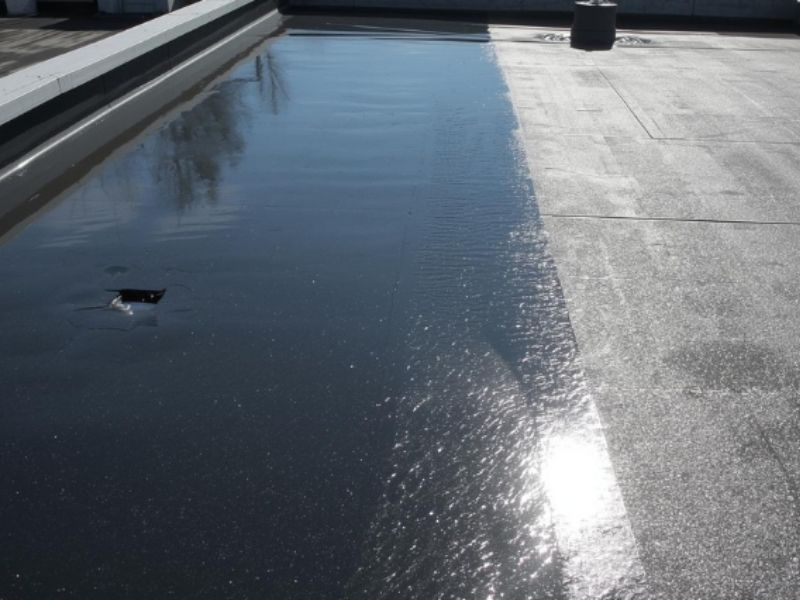
Liquid rubber roofing is what is liquid rubber roofing all about: a cold applied waterproofing system creating seamless protection. These liquid rubber roof coatings transform from liquid to solid, bonding to almost any substrate including concrete, metal, asphalt, and existing roofs. The flexible membrane handles extreme weather while providing long term protection.
Understanding Liquid Roofing Systems Technology
When discussing liquid rubber, we mean advanced liquid rubber roofing systems using polyurethane formulations. Modern liquid roofing technology achieves elongation rates of 300 to 800 percent. This liquid roofing solution stretches as buildings move through seasonal changes. The system creates one coat coverage that maintains seal integrity in temperatures from negative 40 to over 100 degrees Celsius.
At Checkaroof, we install liquid rubber roofing that prevents leaks through seamless waterproofing. The chemistry involves polymers cross-linking during curing. As liquid rubber dries, it forms elastic sheets bonding to substrates beneath. This waterproofing method proves ideal for UK weather, maintaining flexible performance year-round.
How It Differs From Traditional Methods
Traditional roofing systems use overlapping sheets creating failure points. Liquid rubber eliminates seam weaknesses. Where conventional methods need torch application, liquid rubber roof coatings go on cold using a roller or brush. No hot works permits required. The installation process becomes simpler as liquid rubber flows into details. Complex roof shapes with penetrations become easier to seal.
The Science of Seamless Protection
Seamless application represents liquid roofing's core benefit. The coating flows into cracks before curing into continuous waterproofing. No joints fail, no overlaps separate. Statistics show seams cause most leaks. Liquid roofing systems eliminate these vulnerabilities, achieving lower leak rates.
Fast drying formulations become showerproof within 30 minutes. Full cure takes longer. The liquid transforms into durable, flexible material bonding to roof decks. Unlike paint sitting on top, cured liquid rubber integrates with surface textures.
Single Coat Coverage
Quality liquid rubber roofing provides one coat protection. Permaroof UK products deliver 1000 microns in one coat application. This thickness creates waterproofing equivalent to multiple coats of felt. Single coat capability speeds installation. Traditional methods need days for multiple coats. Liquid rubber roof coatings seal extensions in hours. We begin application mornings, achieving completely dry roofs by afternoon.
Compatible Substrates
Liquid rubber adheres to substrates when prepared properly. We install systems over concrete, metal, asphalt, and existing roofs successfully. Preparation matters more than substrate type. These roofing systems work on almost any substrate including timber decking and aged rubber roofing.
Flat roof surfaces need cleaning before application. Metal roofing requires rust removal and degreasing. For existing roofs, we assess remaining conditions. Sound layers accept new coats directly, saving removal costs.
Surface Preparation
Success starts with preparation. Roofs must be clean, dry, and structurally sound with necessary repairs completed. We power wash removing dirt and loose material. Edge trim creates clean terminations. Primer helps certain substrates. Concrete benefits from primer stabilising surfaces. The primer dries within hours, allowing main application.
Benefits Across Property Types
Benefits extend to domestic and commercial uses. Homeowners gain affordable waterproofing for extensions and garages. Cold application proves safer around occupied buildings. DIY users achieve professional finish results using liquid roof kits. Commercial owners value speed and minimal disruption. We waterproof large areas without operational shutdowns.
Reflective properties reduce cooling costs, reflecting up to 85 percent solar radiation. Light colours lower roof temperatures measurably. The durable membrane accommodates building movement without damage. This longevity makes liquid roofing an ideal choice.
Application Process Details
The installation process follows logical sequences. After preparation, edge trim goes on perimeters. Primer follows where conditions require. Main coat application uses roller or brush depending on area size. Liquid rubber spreads easily with long-nap rollers for large flat roof areas. Detail work gets brush attention ensuring complete coverage.
Working With Installation Kits
Liquid roof kits contain everything needed. Permaroof UK P100 includes coating, mesh, edge trim, and tools. These liquid roof kits suit DIY users and contractors. Kits cover typical areas, matching common roof sizes. Measure carefully, ordering appropriate sizes plus waste allowances.
Installation Time Expectations
Installation time depends on complexity. Simple flat roof extensions take 4 hours from prep to final coat. Larger projects span days but remain faster than traditional methods. Fast drying nature means surfaces become rain-resistant quickly. Weather conditions matter. We need dry conditions above 5 degrees. Rain must stay away until coating becomes completely dry, typically 2 to 8 hours.
Comparing Roofing Systems
When comparing options, liquid rubber roofing offers advantages over torch-on felt. Cold application eliminates fire risk. No flames, hot bitumen, or smoke. This safety factor proves crucial around timber structures and occupied spaces. Installation speed favours liquid roofing too. Felt needs multiple layers over days. Each layer requires bonding time. Liquid coatings achieve protection in hours.
Performance Differences
Both systems work when properly installed. However, seamless liquid rubber removes common failure modes. Felt joints eventually separate. Liquid roofing membranes have no joints failing. This fundamental difference explains lower long-term leak rates. Flexible properties help too. Felt becomes brittle, cracking under movement. Liquid rubber maintains elasticity for decades. Fifteen-year installations still show excellent flexibility.
Understanding Costs
Standard roof coating materials cost between 20 and 28 pounds per square metre. Total costs average 43 to 59 pounds including labour. Compare this to complete roof replacement at 80 to 120 pounds, and value becomes clear. The long term approach considers maintenance. Lower requirements reduce lifetime spending. Durable systems need little attention beyond cleaning. Repairs involve simple patch application.
Cost Factors
Roof size affects pricing most. Larger areas enjoy better per-metre rates. Access difficulty adds expense. Ground extensions cost less than multi-storey roofs requiring scaffolding. Surface condition affects preparation and materials. System choice impacts budgets. Basic coats cost less than reinforced specifications. The range available means matching systems to budgets while maintaining performance.
UK Weather Performance
British weather tests roofing thoroughly. Rain, freeze-thaw cycles, UV exposure, and temperature swings challenge materials. Liquid rubber handles these effectively. The membrane stays flexible through winters and summers. Temperature cycling causing damage to rigid coatings affects liquid rubber minimally.
Rain resistance proves excellent once cured. Seamless waterproofing prevents water infiltration under standing water. Flat roofs with poor drainage stay protected. Installations survive decades of ponding water destroying felt systems.
DIY Versus Professional Installation
Liquid rubber suits DIY installation better than most systems. Simple application using familiar tools means capable homeowners achieve professional results. Kits include instructions and components. Extension projects fall within weekend DIY scope for those with building skills. Some situations require professional help though. Large roofs, complex details, or difficult access make professional installation worthwhile. At Checkaroof, we provide expert advice helping owners decide between DIY and professional routes.
When Calling Professionals
Consider professionals for roofs over 50 square metres. Speed and quality advantages justify costs. Complex roofs with penetrations and unusual details benefit from experience. Situations needing roof deck repairs should involve professionals. Structural assessment requires expertise beyond DIY scope. Professional installers carry insurance and provide warranties. This protection adds value on larger investments. We guarantee our work, standing behind systems we install. This peace of mind justifies professional fees.
Maintenance and Roof Care
Low maintenance demands provide major benefits. Systems require little ongoing attention. Annual roof maintenance inspections catch issues early. Check drainage points, clearing leaves and debris. This simple care takes minutes preventing problems. Cleaning proves straightforward. Sweeping removes dirt. For stubborn grime, mild detergent works. Avoid harsh chemicals damaging material. Smooth surfaces resist dirt accumulation.
Repair Procedures
Damage repairs stay simple. Small punctures get patched with same material. Clean areas, apply primer if needed, brush on coating. Repairs bond creating invisible permanent fixes. Easy repair procedures mean costs stay minimal throughout system longevity.
Problems Liquid Rubber Solves
Leaks represent problems solved best. Seamless application eliminates joint failures causing most leaks. We seal roofs suffering from leaks and leak issues for years under felt systems. Continuous barriers stop water infiltration at problem areas. Crack sealing becomes automatic. Coating flows into cracks before curing. This fills and seals damage requiring extensive prep with sheets. Aging roofs with cracks get new life without replacement.
Water Damage Prevention
Water damage to buildings costs thousands. Liquid rubber roofing prevents this through reliable seal and leak protection. Flexible nature maintains protection as buildings move. Temperature changes opening cracks in rigid systems cause no issues. The system stretches and recovers, maintaining waterproof seal and barrier integrity. Ponding water situations improve dramatically. The continuous layer prevents water finding entry points.
Available Product Options
The range of products suits different needs. Basic products work for simple applications. Reinforced systems using mesh provide strength at vulnerable areas. Specifications call for primer plus top coats for durability. Permaroof UK offers variations. P100 provides simplicity for domestic work. Systems include reinforcement and coats for heavy duty applications. Colour options allow coordination. Light colours offer reflective properties reducing cooling loads.
Choosing Suitable Systems
Selection depends on factors. Roof type matters. Flat roof applications differ from pitched work. Traffic expectations influence thickness. Chemical exposure needs resistant formulations. At Checkaroof, we assess projects individually, specifying the best types of rubber roofing systems for each situation. Budget constraints sometimes limit options. Even basic systems outperform alternatives. Honest needs assessment matters. We help clients understand where premium features add value and where standard specifications suffice.
Applications for Different Roofs
Flat roof use dominates. Systems excel on low-slope and level roofs where drainage challenges exist. Extensions, garages, and buildings with flat roof sections benefit. Experienced flat roof installers know that seamless coverage handles ponding and detailed work around upstands. Box gutters represent another application. These awkward details often leak with traditional methods. Coating flows into gutter profiles creating reliable seals. We solve gutter leaks with applications.
Commercial and Industrial Uses
Properties use these extensively. Large roof areas on warehouses get cost-effective protection. Speed minimises business disruption. Clients choose systems avoiding hot works restrictions in occupied buildings. Industrial applications include chemical storage where resistant systems prevent damage. Coating withstands exposure to many chemicals. We install in manufacturing facilities, processing plants, and agricultural buildings. Versatility across applications makes systems genuinely useful.
Technical Specifications
Understanding specs helps selection. Elongation properties indicate flexibility. Quality systems achieve 300 to 800 percent elongation. This means 100mm sections stretch to 400mm without breaking. Such flexibility accommodates building movement. Temperature resistance spans negative 40 to positive 100 degrees. UK weather stays within range, ensuring performance. Material maintains flexibility through freeze-thaw cycles damaging lesser materials.
Performance Standards
Reputable products carry certifications proving claims. BBA certification indicates independent testing. CE marking confirms European standards compliance. Certifications give confidence in quality and longevity expectations. At Checkaroof, we specify certified products from established manufacturers. Quality assurance protects clients and reputation. Uncertified products cost less but risks outweigh savings.
Starting Your Project
Starting begins with assessment. Measure areas carefully, including details and penetrations. Check roof conditions for repairs needed before coating. Identify drainage ensuring proper function. Calculate material requirements based on measurements plus waste. Order appropriate kits or components. Gather tools including rollers, brushes, tape, and cleaning equipment. Check forecasts, planning for dry days.
Planning for Success
Good planning prevents problems. Clear roofs of equipment and debris. Trim overhanging vegetation. Arrange safe access using proper ladders or scaffolding. Inform neighbours if working over party walls. These steps avoid delays. Set realistic timelines accounting for prep, primer drying, and curing. Rushed work rarely delivers optimal results. Allow full days for completion rather than inadequate time windows.
Why We Recommend These Solutions
Our experience across hundreds of roofing projects informs strong recommendations. We see performance differences firsthand. Clients choosing liquid rubber report fewer problems and greater satisfaction than those using traditional methods. The combination of performance, cost-effectiveness, and installation simplicity makes liquid rubber an ideal choice for many situations. A professional roofing company ensures proper installation, maximizing these benefits. We value safety aspects. Eliminating hot works risk protects teams and properties.
Systems we install consistently perform as expected. Follow-up inspections show excellent condition years after installation. This reliability validates recommendations and builds trust. When owners ask professional opinions, we confidently suggest liquid rubber roofing for suitable applications. The offering expert advice we provide includes honest assessment of whether systems suit specific situations. Not every roof benefits from this approach, though most flat roof applications do. We help clients understand options and make informed decisions.
Our professional finish standards ensure systems perform as designed. Proper preparation, correct techniques, and quality materials combine delivering waterproofing that lasts. Award winning sales products we specify come from reliable suppliers with proven track records. This attention to quality at every stage produces results exceeding expectations. We are delivering quality and delivering exceptional outcomes consistently.